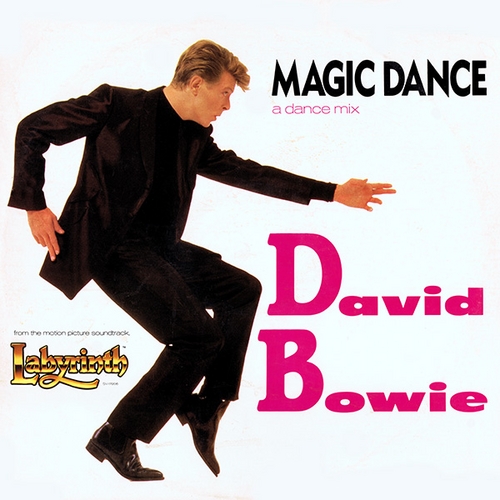
Tracklist: 01.David Bowie - Magic Dance (A Dance Mix) (7:15) 02.David Bowie - Magic Dance (Dub) (5:30) 03.David Bowie - Within You (3:29) "Magic Dance" (also known as "Dance Magic") is a song written and recorded by the English singer David Bowie for the Jim Henson musical fantasy film Labyrinth (1986). It was released as a single in limited markets worldwide in January 1987. Bowie wrote and recorded five songs for Labyrinth, in which he also starred as Jareth, the king of the goblins. "Magic Dance" was written for a scene in which Jareth and his goblins entertain a crying baby that has been wished away to them by the film's heroine, Sarah Williams. In the film, Bowie performs the number with Toby Froud as the baby, and 50 puppets and 12 costumed extras as the goblins. Described as a "simple dance number that's driven by electric bass and emphatic drums" "Magic Dance" includes song lyrics that refer to the film The Bachelor and the Bobby-Soxer (1947) starring Cary Grant and Shirley Temple, in which the two have a call and reply verse: "You remind me of a man." "What man?" "The man with the power." "What power?" "The power of hoodoo." "Who do?" "You do!". In "Magic Dance," "man" is replaced with "babe" and "hoodoo" with "voodoo". According to Nicholas Pegg, the verse is an "old playground nonsense-chant" that was originally popularized by The Bachelor and the Bobby-Soxer. Bowie performed the baby's gurgles in the song recording of "Magic Dance", as backing vocalist Diva Gray's baby, the intended vocalist, wouldn't gurgle on the microphone. In the actual scene of the film, baby vocals were dubbed in by a more cooperative infant. During the movie's production, and in the end credits, the song was referred to as "Dance Magic." Magic Dance" is the third track on the Labyrinth soundtrack, released in July 1986 to coincide with the film's US premiere. In 1987 the song was released on 12" in limited markets, including the US. A single version was mixed but never released, and an edit of the "Dance Mix" (incorrectly labeled as the 'single mix') was released on the New Zealand edition of Best of Bowie (2002). The single was not released commercially in the UK until the digital download version was made available in early 2007. In 1986, "Magic Dance" peaked at #40 in New Zealand. At the time of Bowie's death in 2016, "Magic Dance" was the 19th highest selling Bowie song digitally downloaded in the United Kingdom.
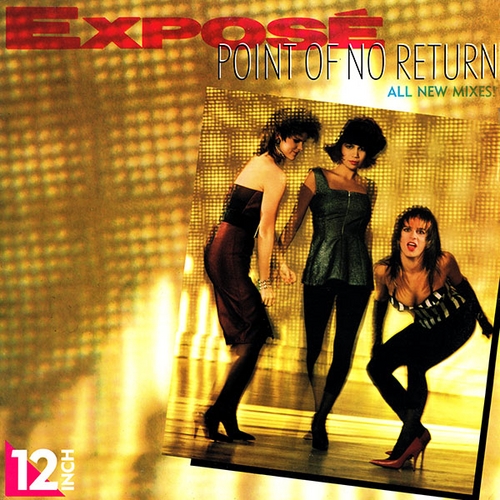
Tracklist: 01.Exposé - Point Of No Return (Extended Mix) (9:42) 02.Exposé - Point Of No Return (Crossover Mix) (5:48) 03.Exposé - Dub Of No Retun (Strikes Again) (6:33) "Point of No Return" is a single by the American pop group Exposé. Written and produced by Lewis Martineé. Exposé was initially formed in 1984 when Lewis Martineé, a Miami disc jockey and producer, decided to form a dance-based group. Working with his partners Ismael Garcia and Frank Diaz at Pantera Productions, talent scouts hired Sandra Casañas (Sandeé), Alejandra Lorenzo (Alé), and Laurie Miller as the group’s lineup, under the title X-Posed. The next year, the trio recorded “Point of No Return” for Pantera Records as a 12-inch vinyl single, which became a #1 hit on the Billboard Hot Dance Club Play chart. The song helped to introduce a still-popular genre of music that became known as freestyle, which often features keyboard riffs, a sing-along chorus, and electro funk drum-machine patterns in the music arrangement. The success of “Point of No Return” quickly led Exposé to sign with Arista/BMG Records, which promptly assumed distribution of the 12-inch vinyl single. During the recording of the group’s first studio album Exposure, the personnel of the group changed. Reports vary based on the source. According to People magazine, one of the original singers quit while two of the girls were fired midway through the recording of the first album, but according to Billboard, all three were fired. Arista records felt that the three original singers lacked star potential. Martinee states that he made the decision himself to replace the three girls, while Miller maintains it was all their choice, and Jurado confirms that Lorenzo wanted to leave. Shortly thereafter, Casañas pursued a solo career and Lorenzo pursued other ambitions; they were replaced by Jeanette Jurado and Gioia Bruno. Miller began a solo career; she was replaced by Ann Curless. In February 1987, the new lineup of Exposé released its debut album, Exposure, on Arista Records. Notably, unlike many classic girl groups, Exposé alternated lead vocals among its members. During the summer of 1987, a re-recorded version of “Point of No Return” was released, with Jurado performing lead vocals, and it topped out at #5 on the Hot 100 in July 1987. While the initial distribution of Exposure to suppliers contained the original 1984 version of that song, subsequent pressings contained the new vocal version; this has led to the original pressings of the album being considered a collector’s item. "It's just a little song about loving somebody to the point of no return," said songwriter Lewis Martineé when asked if there was a deeper meaning to the song. "I just liked the title 'Point Of No Return,' so I decided to write a song around that. Then I started coming up with the beats and the synthesizer lines and then both melody and words. I wrote that song so fast it was crazy, like, literally 15 minutes. But then I didn't like the bridge and I changed it. I'm glad I did because the bridge actually came out really good at the end." The music video for the song was directed by Ralph Ziman, and included the new 1987 lineup of Jeanette Jurado, Gioia Bruno and Ann Curless recieving heavy rotation on MTV and VH-1.
Tracklist: Disc 1 01.Various - Intro 54321 (0:26) 02.Kool & The Gang - Celebration (Hot Tracks Mix) (6:32) 03.Europe - The Final Countdown (4:05) 04.Meco - Star Wars Theme/Cantina Band (3:31) 05.Erasure - Chains Of Love (Edit) (3:36) 06.Falco - Rock Me Amadeus (12" American Edit) (5:50) 07.Duran Duran - Hungry Like The Wolf (US Album Remix) (4:03) 08.Lipps Inc. - Funkytown (Patrick Cowley Remix) (7:53) 09.Paul Parker - Right On Target (12" Mix) (6:18) 10.Gloria Estefan - Miami Hit Mix (5:21) 11.Mariah Carey - Someday (New 7 Inch Jackswing) (4:43) 12.M.C. Miker 'G' & Deejay Sven - Holiday Rap (12 Inch Remix Version) (6:26) 13.Jellybean - Sidewalk Talk (3:59) 14.Olivia Newton-John - Twist Of Fate (12" Remix) (5:32) 15.Dolly Parton - 9 to 5 (2:46) Disc 2 01.Information Society - What's on Your Mind (Pure Energy) Club Radio Edit (3:20) 02.Madonna - Where's The Party (Single Edit) (4:14) 03.Black Box - Strike it Up (Original Remix) (5:05) 04.Amber - This Is Your Night (Main Mix) (4:01) 05.Boy Krazy - That's What Love Can Do (Gigolo Club) (6:28) 06.Patrick Cowley - Megatron Man (12" Version0 (9:08) 07.Sylvester - Mega (Tone) Medley (12:22) 08.Afternoon Delights - General Hospi-Tale (Single Version) (4:02) 09.Rick Springfield - Jessie's Girl (3:15) 10.Color Me Badd - I Wanna Sex You Up (Xtended Mix) (4:23) 11.Laid Back - White Horse (US Edit) (3:55) 12.Depeche Mode - Behind the Wheel / Route 66 (Mega Single Mix) (4:29) 13.Pet Shop Boys - Always On My Mind (7" Instrumental) (4:02) 14.Paul Mc Douglas - Theme From "Dallas" (Original Dance-Version) (5:10) 15.Eddie Rabbitt - I Love a Rainy Night (3:10) 16.Various - Attack Of The Disco Queens (The 80's HiNRG Medley) (15:24) 17.Various - Return Of The Disco Queens (The 80's HiNRG Medley Pt. 2) (11:50) Happy New Year! Wishing each and everyone of you the best in 2024. Originally posted in 2021 like my Christmas compilation I decided to re-post this one for those new to the site or if you missed out the first time. In addition I have added two new bonus tracksL both are medleys taken form my Hot Classics Box Set released in 1993 by Hot Tracks Remix Service. This compilation features some tracks that are familiar and some that are more obscure. My taste in music is very eclectic and I hope you like what I put together. Most of the tracks are from original CD sources however there are a couple of vinyl transfers as well.
Добавлено 38 релизов
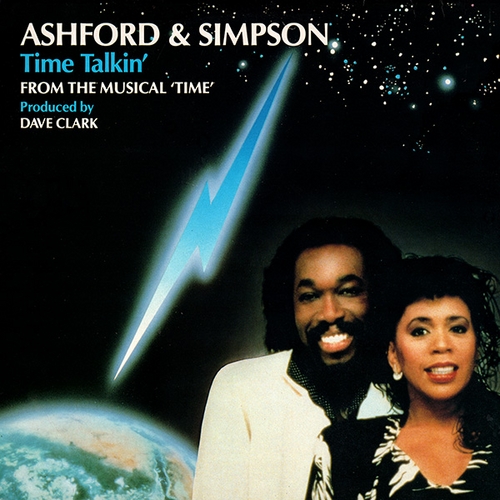
Tracklist: 01.Ashford & Simpson - Time Talking (Special Extended Mix) (6:15) 02.Ashford & Simpson - Flying (Instrumental) (3:04) 03.Ashford & Simpson - Time Talking (5:07) "Time Talkin'" is a song recorded by American husband-and-wife songwriting, production, recording duo Ashford & Simpson composed of Nickolas Ashford (May 4, 1941 – August 22, 2011) and Valerie Simpson (born August 26, 1946). The single was taken from Dave Clark's "Time" a concept album based on Dave Clark's 1986 musical Time. "Time Talkin'" was only released as a single in Europe, and Australia failing to chart.
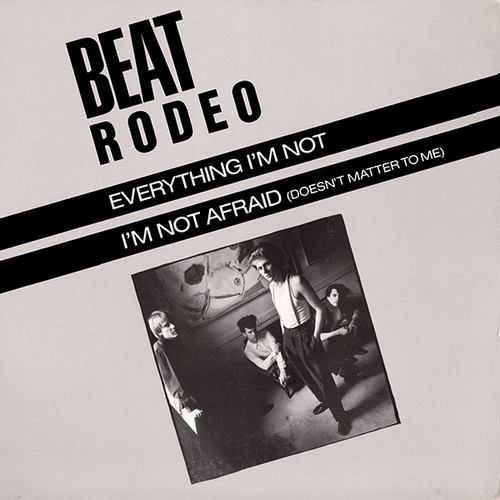
Tracklist: 01.Beat Rodeo - Everything I'm Not (4:45) 02.Beat Rodeo - I'm Not Afraid (Doesn't Matter To Me) (3:00) "Everything I'm Not" is a 1986 single by American band Beat Rodeo from New York City. The band's sound has been described as Country,Rock, alternative, and blue Eyed soul with some thrown in. The single was produced by Scott Litt who produced six albums for R.E.M. in the late 1980s and early to mid-1990s during the band's most successful period. Although "Everything I'm Not" got some airplay at college stations, none of Beat Rodeo's albums or singles were hits, and IRS dropped them from the label; the band broke up soon thereafter. "Everything I'm Not" was taken from the band's second and final LP Home in the Heart of the Beat.
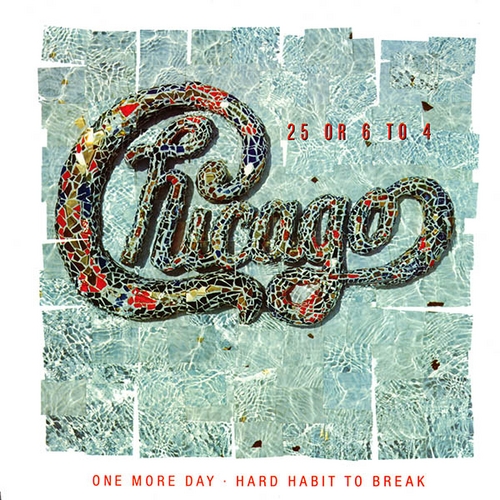
Tracklist: 01.Chicago - 25 Or 6 To 4 (86 Remix) (4:12) 02.Chicago - One More Day (4:14) 03.Chicago - Hard Habit To Break (4:08) "25 or 6 to 4" is a song written by American musician Robert Lamm, one of the founding members of the Rock band Chicago. It was originally recorded in 1969 for their second album, Chicago, with Peter Cetera on lead vocals. An updated version of "25 or 6 to 4" was recorded for the 1986 album Chicago 18 with James Pankow listed as co-writer, and new band member Jason Scheff on lead vocals. It featured two verses instead of three. The single reached number 48 on the US Billboard Hot 100 Single's Chart. This version was also used as the B-side for the band's next single in 1986, "Will You Still Love Me?" The music video for the 1986 remake won an American Video Award, in the Best Cinematography category, for Bobby Byrne.
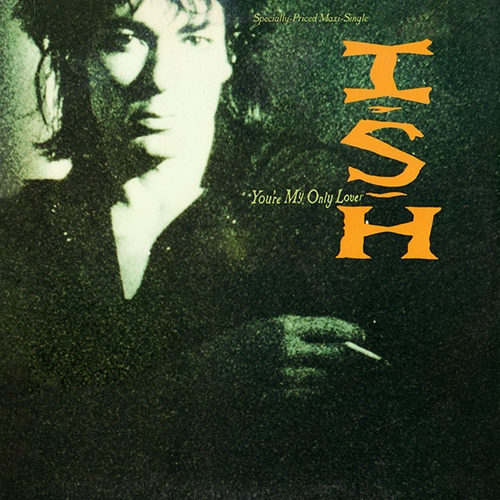
Tracklist: 01.Ish - You're My Only Lover (Extended Dance Remix) (6:56) 02.Ish - You're My Only Lover (Instrumental Dub) (4:58) 03.Ish - It Ain't Necessarily So (Extended Dance Remix) (6:18) 04.Ish - It Ain't Necessarily So (Instrumental Dub) (5:58) "You're My Only Lover" is a 1986 single by Ish (Ish Ledesma), best known for his hits with Foxy
("Get Off") and Company B ("Fascinated"). The mid-tempo track was produced by John Robie. the b-side "It Ain't Necessarily So" previously recorded by Bronski Beat in 1984 is a duet with Terry Nunn (Vocalist for the group Berlin). Both tracks were recorded in New York City, and taken from the LP "On This Corner". The single did not chart, and ther was not a music video produced.
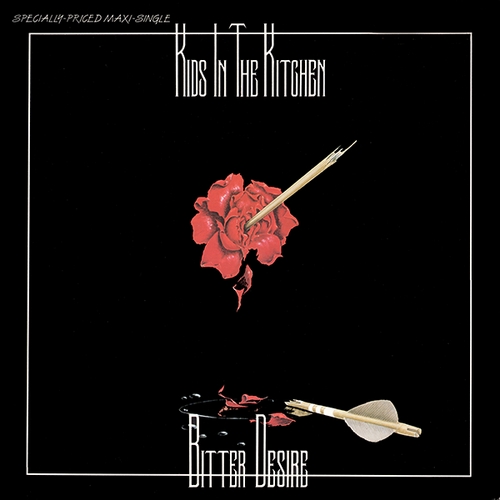
Tracklist: 01.Kids in the Kitchen - Bitter Desire (Club Mix) (5:58) 02.Kids in the Kitchen - Bitter Desire (Edit) (3:48) 03.Kids in the Kitchen - Bitter Desire (Dub) (6:34) 04.Kids in the Kitchen - Not The way (2:31) "Bitter Desire" is a song by Australian pop/new wave group Kids in the Kitchen. The song was released in April 1984 as the second single from their debut studio album Shine (1985) released as Kids In The Kitchen in the USA (1986). The song peaked at number 17 on the Australian Kent Music Report. On 15 April 1984, the group performed "Bitter Desire" at the annual Countdown Music and Video Awards, where they were nominated for 'Most Promising New Talent' and 'Best Debut Single' for "Change in Mood". By the time of the single's release and despite appearing in the videoclip for "Bitter Desire", lead guitarist Greg Dorman and keyboardist Greg Woodhead had departed the line-up to be replaced by Claude Carranza and Alistair Coia, respectively. Countdown Magazine said at the time of release,"Bitter Desire" should seal [their] fate. That record is simply the best Australian single so far this year, and displays a depth of inspiration beyond any mere beginner's luck." "Bitter Desire" was the band's only single to have a 12" released in the United States. All of the mixes are exclusive to this 12".
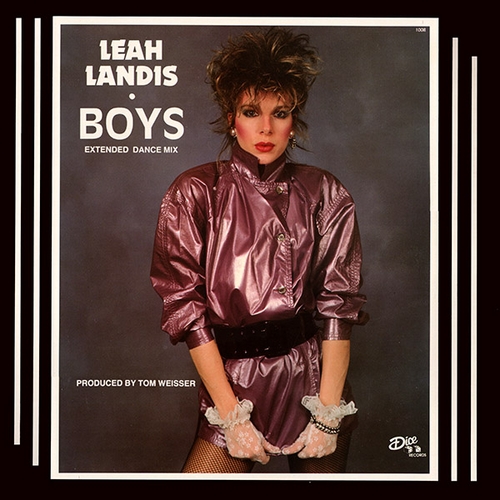
Tracklist: 01.Leah Landis - Boys (Extended Dance Mix) (6:01) 02.Leah Landis - Boys (Militant Mix) (2:49) 03.Leah Landis - Boys (Instrumental) (5:01) "Boys" is a 1986 single by Hi-NRG singer born in Dayton, Ohio Leah Landis. In 1980, Landis was a member of The Lovers. In 1981 she was replaced in the band and began to pursue a solo career. In 1986 she had a No.29 (in the U.S. Hot Dance chart) with a Hi-NRG rendition of the classic "Boys" (originally a 1960 The Shirelles hit) produced by the label owner of New York's Dice Records, Tom Weisser. During her brief career Landis recorded four singles from 1983 to 1987.
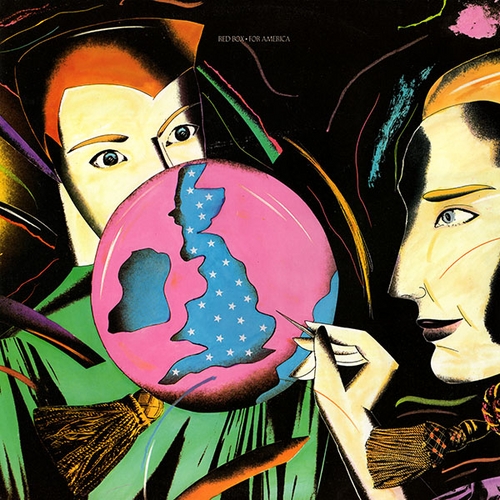
Tracklist: 01.Red Box - For America (Bazooka Mix) (6:00) 02.Red Box - Ain't Got No..I Got Life (From The Musical HAIR) (2:52) 02.Red Box - R'n A (4:02) "For America" is a 1986 single by British pop group founded by Simon Toulson-Clarke and Julian Close. The song was taken from their debut LP The Circle & the Square. During this period the group found themselves at odds with their record company regarding what it perceived as a lack of mainstream appeal in their choice of material, despite the success of of their previous single "Lean on Me" in the UK and Europe. Toulson-Clarke responded to WEA's request for something to appeal to American radio with the sardonic "For America", which lambasted what he saw as the style-over-content approach of the American media, as well as alluding to American military involvement in Grenada and Nicaragua. The song was not a hit in the United States, though it did worldwide outsell "Lean on Me", reaching number one in six countries and the top ten in several others including the UK, where it spent twelve weeks in the chart peaking at number ten.
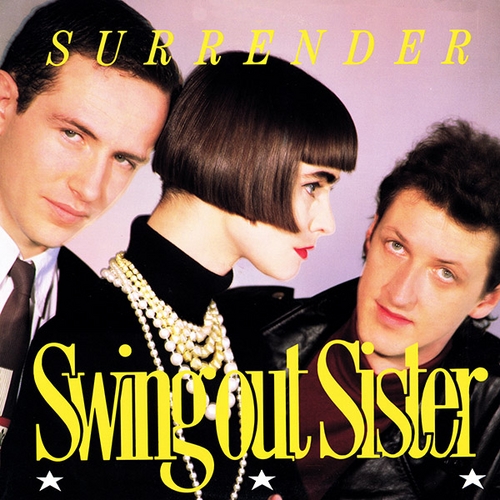
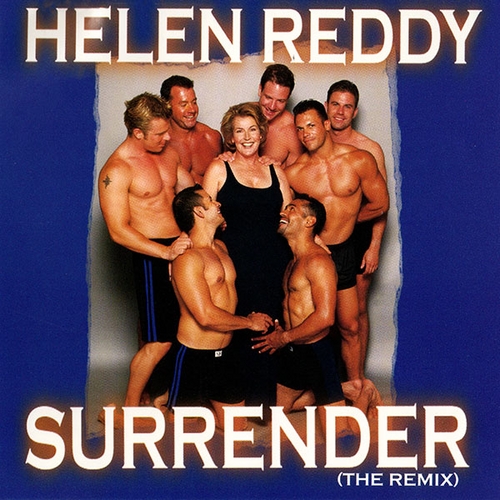
Tracklist: 01.Swing Out Sister - Surrender (Stuff Gun Mix) (6:38) 02.Swing Out Sister - Surrender (7" Version) (3:45) 03.Swing Out Sister - Who's To Blame (5:09) 04.Swing Out Sister - Surrender (Pop Stand Remix) (7:05) "Surrender" is a 1987 single released by British pop act Swing Out Sister from their debut album, It's Better to Travel. It was issued as the follow-up to the successful single, "Breakout". The song peaked at #7 on the UK Singles Chart in January 1987 and logged four weeks in the top ten. Over a year after its initial release, remixes of "Surrender" reached the U.S. Billboard Hot Dance Club Play chart, peaking at #22 in May 1988.
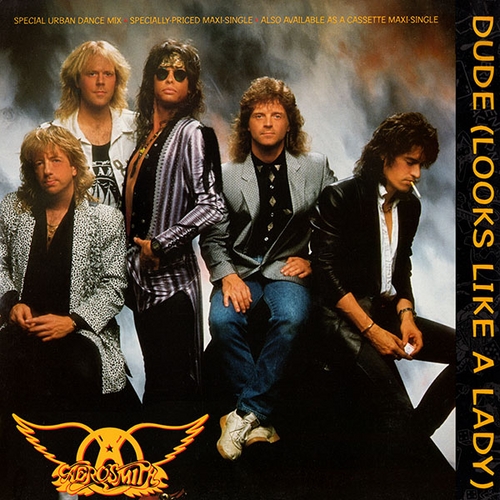
Tracklist: 01.Aerosmith - Dude (Looks Like A Lady) (Urban Dude Mix) (6:45) 02.Aerosmith - Dude (Looks Like A Lady) (Dude This Way) (A Cappella) (4:16) 03.Aerosmith - Dude (Looks Like A Lady) (Extended Rockin' Dude Mix) (5:46) 04.Aerosmith - Dude (Looks Like A Lady) (Rockin' Dude Edit) (3:51) "Dude (Looks Like a Lady)" is a song by American rock band Aerosmith. It was released as the lead single from the band's ninth studio album Permanent Vacation in 1987. The track reached number 14 on the Billboard Hot 100, number 41 on the Hot Dance Club Play chart, number four on the Mainstream Rock Tracks chart, number 22 on the Canadian RPM Top Singles chart and number 45 on the UK Singles Chart. It was re-released in early 1990 and peaked at number 20 in the UK. It was certified gold in the UK for sales and streams exceeding over 400,000 units. The song was written by lead singer Steven Tyler, lead guitarist Joe Perry and songwriter Desmond Child. The song talks about a man who is mistaken for a woman. According to Desmond Child, Steven Tyler came up with the idea after mistaking Mötley Crüe singer Vince Neil for a woman with long blonde hair. Tyler's bandmates made fun of him, joking about how the "dude looked like a lady". In his book The Heroin Diaries, Mötley Crüe's Nikki Sixx concurs that the song was inspired by Neil. Despite the song's mainstream success, "Dude (Looks Like a Lady)" has been accused of being transphobic, with "its lyrics and music video’s offensive insinuations about trans women." In 2012, Desmond Child said, "I talked Aerosmith into the whole scenario of a guy that walks into a strip joint and falls in love with the stripper on stage, goes backstage and finds out it's a guy." In 2019, Child confirmed that the song was about a man who "just walks into a bar and sees this gorgeous blonde up on the stage and then goes backstage after the show and then she 'whips out a gun, tries to blow me away.'" Vox's Abbey White pointed out that "the song also plays on the idea that trans women intentionally deceive men or are 'in disguise', that they are unattractive or repulsive ... and at one point mixes pronouns, going from 'Oh she like it' in one line to 'Oh, he was a lady,' in the next." Child has refuted all allegations of transphobia, describing the song as "accepting" because of the lyric, "Never judge a book by its cover, or who you're going to love by your lover." On August 27, 2013, Fox News played this song while introducing Chelsea Manning. As well as the network's use of masculine pronouns and Manning's deadname, playing this song received backlash from commentators. After Caitlyn Jenner called "Dude (Looks Like a Lady)" her "theme song" in 2017, backlash ensued from fans and from LGBT activists due to the perceived transphobia. The video for "Dude (Looks Like a Lady)" features the band performing live onstage as well as random moments of characters portraying drag queens, including a cameo appearance by A&R man John Kalodner dressed up in a wedding dress at one point. This is a joke based on the fact that Kalodner always dresses in white. Joe Perry's wife Billie also appears in the music video, pretending to play the saxophone on stage. There are also some provocative sexual performances, both led by singer Steven Tyler as well as a presumed female who has her skirt torn off to reveal the Aerosmith "wings" tattoo on her buttocks. The video was directed by Marty Callner. "Dude" picked up two MTV Video Music Award nominations in 1988 (the first for the band). It was nominated for Best Group Video and Best Stage Performance, but failed to gain the wins. The band made up for it eventually, winning over 10 "moon-men" and 4 Grammys in the 1990s.
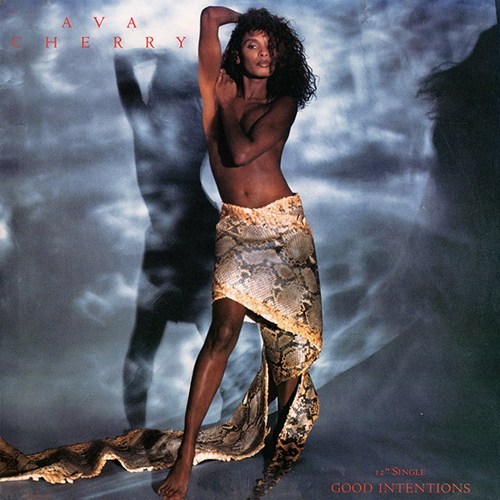
Tracklist: 01.Ava Cherry - Good Intentions (Two Left Shoes Mix) (7:39) 02.Ava Cherry - Good Intentions (Dub Mix) (6:46) 03.Ava Cherry - Majic Castle (3:30) "Good Intentions" is a 1987 single by American singer and model Ava Cherry. She collaborated with English musician David Bowie between 1972 and 1975; the two met in New York City when she was a nightclub waitress and Bowie was touring for The Rise and Fall of Ziggy Stardust and the Spiders from Mars. Afterwards, they began a period of personal and artistic collaboration that heavily influenced the Young Americans "blue-eyed soul" era. Following this, she struck out as a solo singer and backing artist for musicians such as Luther Vandross and Chaka Khan. "Good Intentions" was the first single taken from her third and most successful studio LP "Picture This" (1987). "Good Intentions" debuted on the Billboard Dance Chart on August 8, 1987 peaking at #16 after spending eight weeks on the survey.
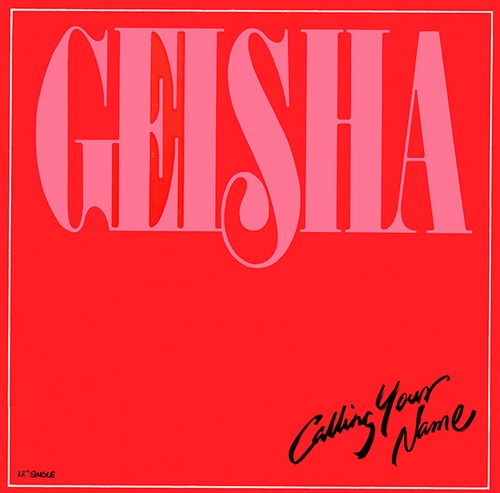
Tracklist: 01.Geisha - Calling Your Name (New York Dance Mix) (6:47) 02.Geisha - Calling Your Name (Dub Mix) (4:10) "Calling Your Name" was the fifth single released by Australian pop rock band, Geisha released in July, 1987. The track was taken from the band's second studio album "Midnight To Dawn". "Calling Your Name", reached the Australian top 100, but never made it to the top 50 peaking at #57.
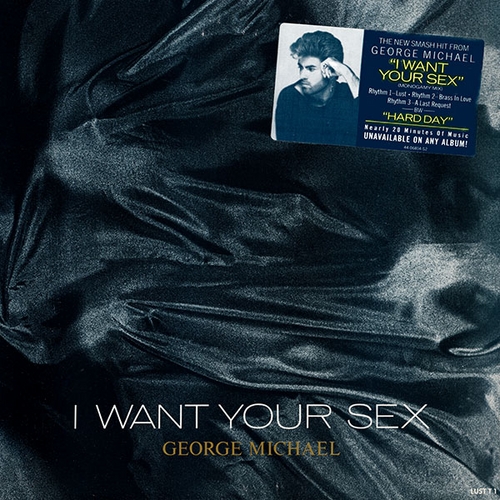
Tracklist: 01.George Michael - I Want Your Sex (Monogamy Mix) (13:13) 02.George Michael - Hard Day (4:53) "I Want Your Sex" is a song by the English singer and songwriter George Michael. Released as a single on 18 May 1987 (US) and 1 June 1987 (UK), it was the third hit from the soundtrack to Beverly Hills Cop II and the first single from Michael's debut solo album Faith. It peaked at number two in the U.S. and number three in the UK, and was a top five single in many other countries. The single was certified platinum by the RIAA for sales in excess of two million in the United States. It was also the recipient for Golden Raspberry Award for Worst Original Song. The song's radio airplay on the BBC was restricted to post-watershed hours due to concerns that it might promote promiscuity and could be counterproductive to contemporary campaigns about AIDS awareness. Although it was one of Michael's biggest hits, the singer ignored the song following its release; he never performed it after the Faith Tour and although the Rhythm Two version appears on Ladies & Gentlemen: The Best of George Michael, it does not appear on the 2006 retrospective Twenty Five; furthermore, the "Monogamy Mix" does not appear on the 2011 remastered release of Faith. In an interview with Mark Goodier, included in the large-format book released with the 2011 remaster, Michael said that he still likes the second "Rhythm" but not the first, and that he distanced himself from the song because its production sounded too much like Prince; indeed, "Rhythm 1", as well as a few other tracks on the Faith album (such as "Hard Day"), features Michael simulating female vocals by artificially pitching up and altering his own voice, much the same way as Prince was doing at the time with his pseudo-female alter ego Camille. In the interview, Michael admits that he was "deeply enamoured" with Prince, and adds that he thought it was very bad for him to be infatuated with a colleague of his. Rolling Stone editor David Fricke described this song as 'a new bump-and-grind original that sounds more like Prince's stark, sexy "Kiss" than anything in the Wham! catalog'. In 2016, after Michael's death, Andrew Unterberger of Billboard ranked the song number eight on his list of Michael's 15 greatest songs. The music video, directed by Andy Morahan, featured Michael and his then-girlfriend Kathy Jeung to emphasize that he was in a monogamous relationship; at one point, he is shown using lipstick to write the words "explore" and "monogamy" on her back, which is photographed and retouched at the end of the video to reveal the phrase "explore monogamy". A Spanish model was also used for naked scenes in a way that allowed the audience to assume they were the same woman; these shots are interspersed with intentionally blurred footage of George Michael dancing and singing the song. In a 2004 interview with Adam Mattera for UK magazine Attitude, Michael reflected: "It was totally real. Kathy was in love with me but she knew that I was in love with a guy at that point in time. I was still saying I was bisexual...She was the only female that I ever brought into my professional life. I put her in a video. Of course she looked like a beard. It was all such a mess, really. My own confusion and then on top of that what I was prepared to let the public think." The video generated controversy over its sexual themes. In 2002, MTV2's countdown of MTV's Most Controversial Videos Ever to Air on MTV included the video for "I Want Your Sex" at number 3. The original video cut appears on the Twenty Five compilation 2-DVD set.
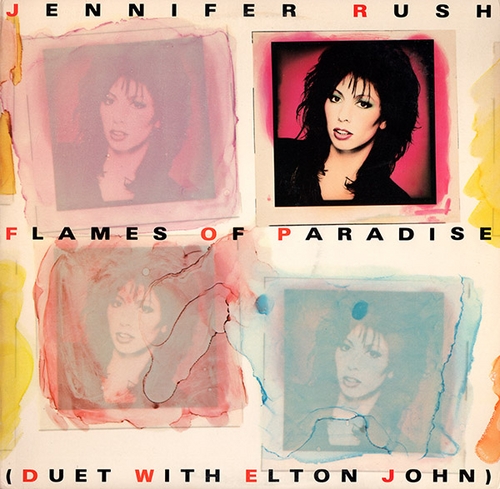
Tracklist: 01.Jennifer Rush with Elton John - Flames Of Paradise (Extended Club Remix) (5:38) 02.Jennifer Rush with Elton John - Flames Of Paradise (Instrumental Remix) (4:55) 03.Jennifer Rush with Elton John - Flames Of Paradise (Single Version) (4:03) "Flames of Paradise" is a 1987 single by American singer Jennifer Rush a duet with Elton John. The song became Rush's first top 40 success in the US as well as a hit in Europe, although smaller than expected in the UK, after predictions of it reaching number one by both Smash Hits and Number One Magazines. The song reached #36 on the US Billboard Hot 100 singles chart in July 1987, and #59 in the UK. The song did much better in Switzerland where it reached #7.
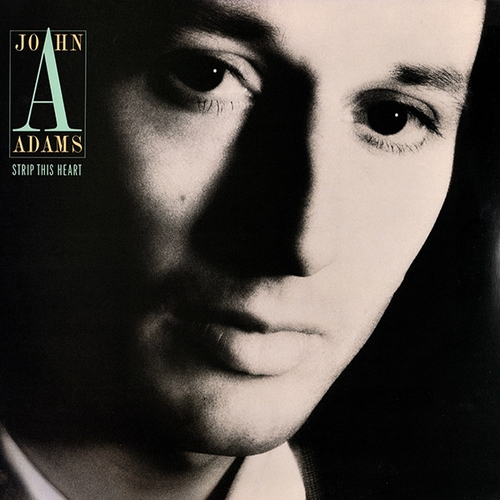
Tracklist: 01.John Adams - Strip This Heart (12" Version) (8:10) 02.John Adams - Strip This Heart (Bonus Beat) (4:13) 03.John Adams - Strip This Heart (7" Version Edit) (3:28) 04.John Adams - Strip This Heart (LA 7" Version) (3:45) 05.John Adams - Strip This Heart (Dub) (4:12) "Strip This Heart" was the second solo single released by British former Private Lives lead vocalist John Adams from his only studio LP "strong". The sophisti-pop track was released by A&M Records in the USA but failed to chart. Adams released one more single after "Strip This Heart" before disappearing into music obscurity. David Cole of C + C Music Factory plays keyboards on the track with Frank Heller, and Bruce Forest on Engineer/Remix duty.
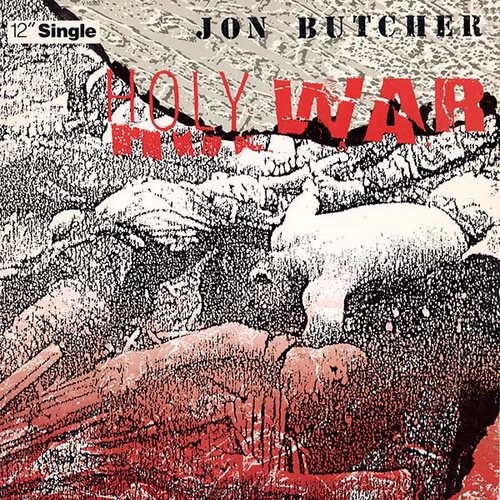
Tracklist: 01.Jon Butcher - Holy War (PTL Club Mix) (6:33) 02.Jon Butcher - Holy War (Evangelical Dub) (5:03) 03.Jon Butcher - Holy War (Missle Mix) (4:08) "Holy War" is a 1987 single by American rock, blues songwriter, guitarist and freelance multimedia producer Jon Butcher. "Holy war' was the second single taken from Butcher's most succesful LP "Wishes", the single reached #25 on the Billboard Mainstream Rock Tracks Chart in May, 1987. The music video for "Holy war" was in heavy rotation on MTV.
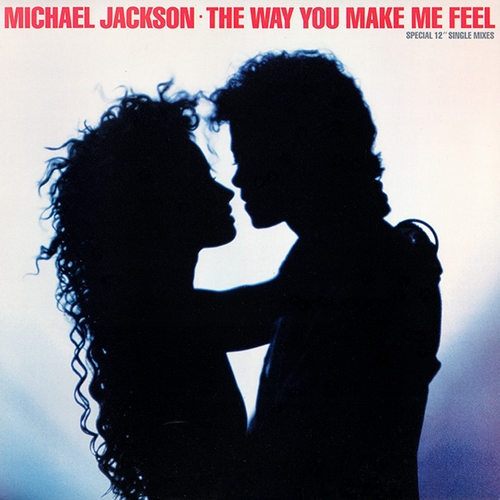
Tracklist: 01.Michael Jackson - The Way You Make Me Feel (Dance Extended Mix) (7:53) 02.Michael Jackson - The Way You Make Me Feel (Dance Remix Radio Edit) (5:22) 03.Michael Jackson - The Way You Make Me Feel (Dub Version) (5:05) 04.Michael Jackson - The Way You Make Me Feel (A Capella) (4:30) "The Way You Make Me Feel" is a song by American singer Michael Jackson. It was released by Epic Records on November 9, 1987, as the third single from his seventh studio album, Bad. It was written and composed by Jackson and produced by Quincy Jones and Jackson. The song received positive reviews from contemporary critics. "The Way You Make Me Feel" became Bad's third consecutive single to peak at number one on the Billboard Hot 100 and charted mainly within the top ten and twenty internationally. A music video for the song was released at the time, showing Jackson pursuing and dancing with model Tatiana Thumbtzen. The song has been performed on all of Jackson's world concert tours as a solo artist and was planned to have been performed during the This Is It concerts from 2009 to 2010. Notable live performances of the song by Jackson include at the 30th Grammy Awards (1988). "The Way You Make Me Feel" generally charted within the top ten and top twenty positions on music charts worldwide. The song climbed to number seven on the Billboard Hot 100 on the chart's issue date of December 26, 1987. After charting within the top ten for five weeks, the song peaked at number one on the Hot 100 on January 23, 1988. "The Way You Make Me Feel" became the album's third consecutive single to reach number one on the Hot 100. The song charted on Billboard's Adult Contemporary chart, peaking at number nine, and on the Hot Dance Music/Maxi Single Sales chart at the peak of number three. The song also charted at number one on the Billboard Hot Black Singles chart and Dance Club Play Singles chart. The song entered the United Kingdom singles charts at number sixteen on December 5, 1987. The following week the song moved up thirteen spaces to number three, which was the song's peak position. The song stayed at its peak position for two consecutive weeks, and remained on the country's chart for ten weeks, before falling out of the top 100 positions, only to re-enter the charts two weeks later. The song has sold over 2 million digital copies as of August 2018. The music video for "The Way You Make Me Feel" was directed by Joe Pytka and was filmed in June 1987 at Skid Row, Los Angeles. It was choreographed by Jackson and Vincent Paterson. The short version of the video is six minutes and forty-four seconds long and the full version is nine minutes and thirty-three seconds long. The video begins with a group of men trying to pick up women, but failing. One of the men, Jackson, is told to go home and not to hang around with the other guys anymore. When Jackson walks home, an elderly man (played by Joe Seneca), who is sitting on the steps of his house, tells him to just be himself. Jackson notices a woman, played by model/dancer Tatiana Thumbtzen, walking down the streets alone. Shortly after, Jackson walks out of an alley and stands in front of Thumbtzen while she is walking down the street. However, she ignores him and keeps walking, which prompts the other guys to make fun of him. Jackson shouts at them, which gets the attention of everyone, including Thumbtzen. After walking up to her, Jackson begins singing "The Way You Make Me Feel" to her while also dancing. Uninterested, Thumbtzen walks away. He follows her, having been cheered on by his friends to pursue her. This leads to the man to continue to pursue the woman throughout the neighborhood. The video ends with the man eventually winning the woman over, and embracing her, while a fire hydrant sprays out water. The videoclip features an appearance by his sister La Toya as one of Thumbtzen's friends. The music video was released on October 31, 1987, and received one nomination at the 1988 MTV Video Music Awards Ceremony. The video, alongside Jackson's "Bad" video, was nominated for Best Choreography, but lost to Jackson's younger sister Janet's video "The Pleasure Principle". The music video was included on the video albums: Video Greatest Hits – HIStory (long version on DVD and short version on VHS), Number Ones (short version), Michael Jackson's Vision (long version) and the Target version DVD of Bad 25 (long version). The introduction of the full version of the video also samples the Roy Ayers 1985 song "Hot" (written by Binky Brice, Philip Hunter Field and James Mtume) from his You Might Be Surprised album.
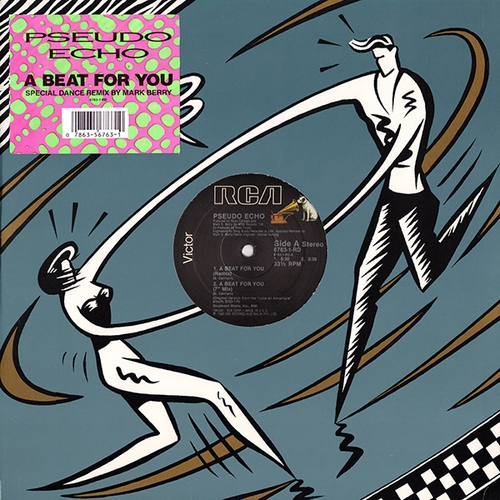
Tracklist: 01.Pseudo Echo - A Beat For You (Remix) (5:14) 02.Pseudo Echo - A Beat For You (7" Mix) (3:39) 03.Pseudo Echo - A Beat For You (Dub Version) (5:40) 04.Pseudo Echo - Try (4:18) Artist spotlight Pseudo Echo! In 1987 "A Beat For You" was re-recorded, and remixed for inclusion on Pseudo Echo's sedond studio LP "Love An Adventure" the song was co-produced by Brian Canham and Mark S. Berry. The track "Try" was also released in Australia as the fourth single from the album. This 12" includes U.S. only remixes by Mark S. Berry.
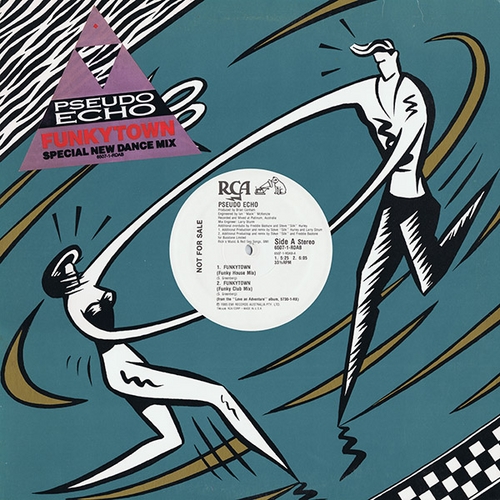
Tracklist: 01.Pseudo Echo - Funkytown (Funky House Mix) (5:24) 02.Pseudo Echo - Funkytown (Funky Club Mix) (6:07) 03.Pseudo Echo - Funkytown (Funky Vocal Mix) (6:13) 04.Pseudo Echo - Funkytown (Funky Dub Mix) (6:44) "Funkytown" is a song originally recorded by American disco-funk group Lipps Inc., released in 1980. In 1986, "Funkytown" was covered by Australian new wave band Pseudo Echo in rock form, including a guitar solo in the middle. It reached number six on the US Billboard Hot 100 and spent seven weeks at number one in Australia. Like Lipps Inc., it is Pseudo Echo's only US Top 40 hit single. For the U.S. market four exclusive promo-only remixes were commissioned by RCA records mixed by Chicago DJ/Producer Steve "Silk" Hurley, and New York City DJ/Producer Freddy Bastone. Helping to push the single to #4 on the Billboard Dance Chart.
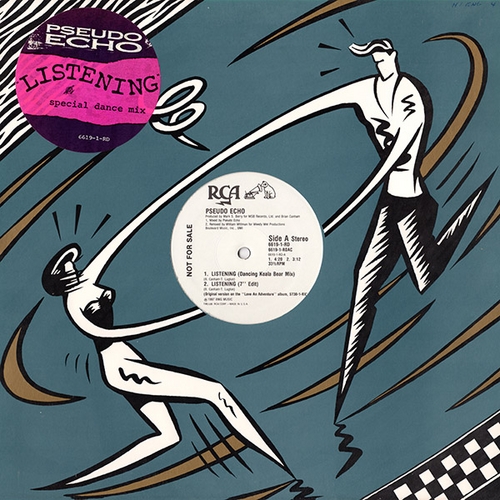
Tracklist: 01.Pseudo Echo - Listening (Dancing Koala Bear Mix) (4:21) 02.Pseudo Echo - Listening (7" Edit) (3:13) 03.Pseudo Echo - Listening (Dancing Berry Mix) (5:13) 04.Pseudo Echo - Listening (Instrumental) (3:06) "Listening" is the debut single from Australian pop group Pseudo Echo. The song was originally released in November 1983 as the lead single from their debut studio album, Autumnal Park (1984). The song peaked at number 4 on the Australian Kent Music Report. Following the international success of "Funky Town", a remixed version of "Listening" was released in 1987 for the movie "North Shore" starring Nia Peeples. Additionally the remixed 1987 version was not included on the Australia release of the album Love An Adventure but was included on the U.S. release. The remixes contained here are exclusive to the United States, and the "Dancing Berry Mix" is exclusive to this promo. I have posted the U.S. 12" of "Listening" in the past (2017) which included all of the mixes here except the "Dancing Berry Mix" these are all 2024 new transfers. The labels incorrectly say Side A and C.
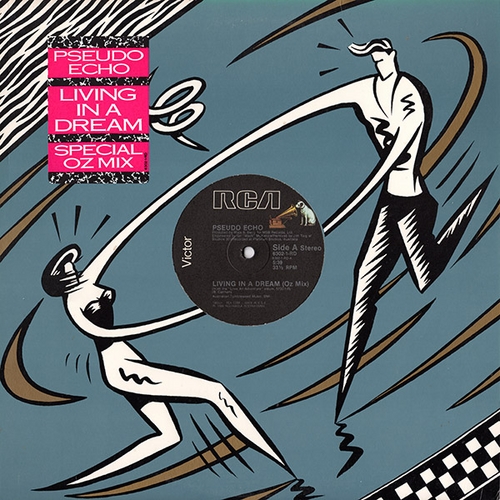
Tracklist: 01.Pseudo Echo - Living In A Dream (OZ Mix) (5:40) 02.Pseudo Echo - Living In A Dream (Dance Mix) (5:13) 03.Pseudo Echo - Living In A Dream (7" Mix) (3:29) "Living in a Dream" is a song by Australian pop group Pseudo Echo. The song was released in April 1986 as the third single from their second studio album, Love an Adventure (1985). The song peaked at number 15 on the Australian Kent Music Report. In America the song was remixed and released as a single for the U.S. release of the LP Love An Adventure (1987). The single reached number 57 on the Billboard Hot 100 on May 9, 1987 after spending nine weeks on the survey becomeing the bands second charting single in the United States. The b-side John Potoker mixes are exclusive to the U.S. and European 12" singles. The "OZ Mix" on the A-side is also known as "Metal Mix" on the Australian 12" single.
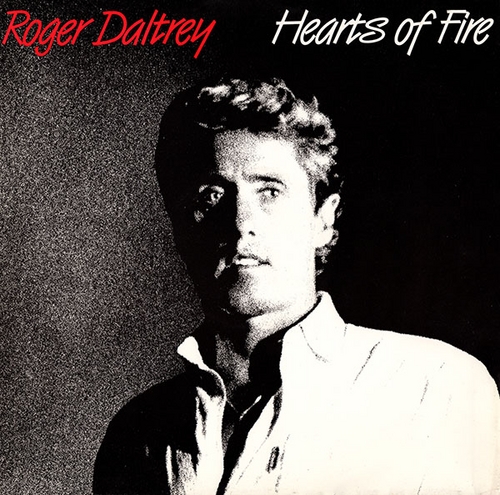
Tracklist: 01.Roger Daltrey - Hearts Of Fire (Extended Version) (5:31) 02.Roger Daltrey - Lovers Storm (4:01) 03.Roger Daltrey - Quicksilver Lightning (Remix) (9:04) "Hearts of Fire" was the first single taken from the seventh solo studio album "Can't wait To see The Movie" by The Who frontman Roger Daltrey. "Hearts Of Fire" was the only single from the album to chart reaching #88 on the UK singles chart. "Hearts of Fire", was written by Russ Ballard. Ballard played guitar on this track, as well as providing backing vocals. The flip-side includes an exclusive remix of "Quicksilver Lightning" which was written by Dean Pitchford and being composed by Giorgio Moroder. The track is the theme song for the 1986 film Quicksilver starring Kevin Bacon, Jami Gertz, Paul Rodriguez, Louie Anderson, Laurence Fishburne and Rudy Ramos. The film was directed by Thomas Michael Donnelly. The film went quite unnoticed, so both the song and the film are not easily remembered. The song was released as a single in April 1986, and was a minor success on the Billboard Mainstream Rock Charts, reaching number 11.
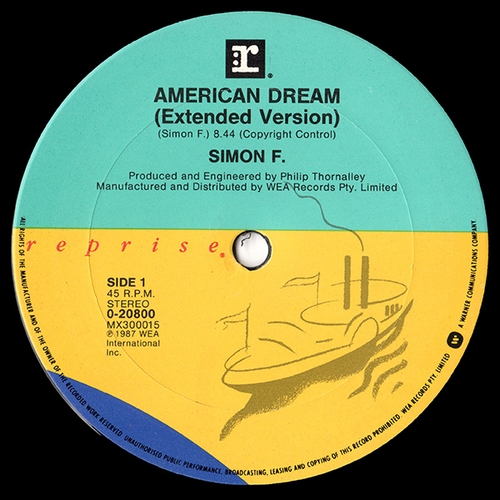
Tracklist: 01.Simon F - American Dream (Extended Version) (8:47) 02.Simon F - Love Bomb (4:03) 03.Simon F - American Dream (7" Version) (4:53) "American Dream" was the first single taken from the second studio LP "Never Never Land" by British musician Simon Fellowes (Simon F) on Reprise Records in 1987. "American Dream" made a short two week run on the U.S. Billboard Hot 100 peaking at #91 before disappearing. The single was co-produced by Phil Thornalley (Johnny Hates Jazz, The Cure), and Tom Lord-Alge. The "Extended Version" was only released on 12" single in Australia. The video for "American Dream" was directed by Peter Care and was banned by MTV for its portrayal of an interracial romance.
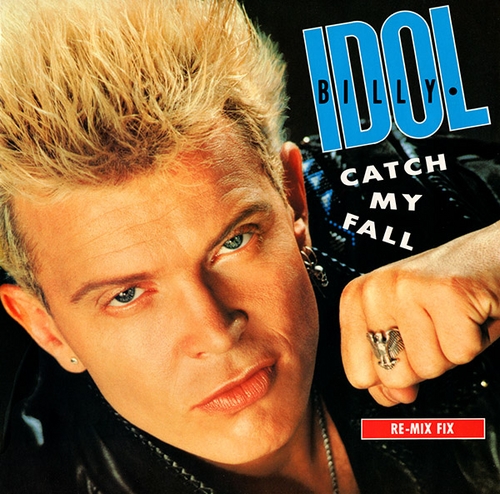
Tracklist: 01.Billy Idol - Catch My Fall (The Re-Mix Fix) (4:56) 02.Billy Idol - All Summer Single (4:34) "Catch My Fall" is a song by Billy Idol from his 1983 studio album Rebel Yell. It became the album's fourth and final single (released in 1984). It was written by Idol and produced by Keith Forsey. In December 1984 the song reached #50 on the US Billboard Hot 100. In 1988 the song was re-released as a single in the UK to promote the Billy Idol hits package "Idol Songs", "Catch My Fall" was also remixed for inclusion on the remix album "Vital Idol" the 1988 re-release reched #63 in the UK. The song's original 1984 music video was directed by David Mallet.
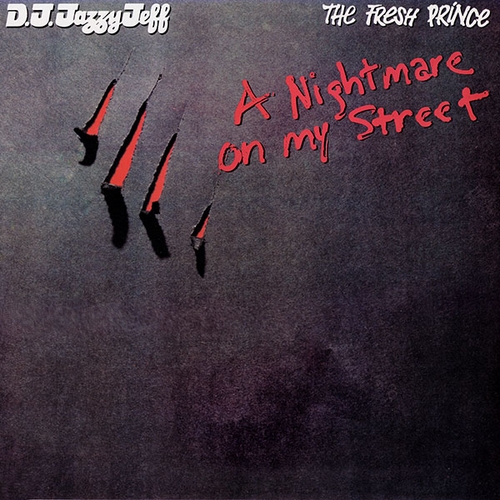
Tracklist: 01.DJ Jazzy Jeff & The Fresh Prince - A Nightmare On My Street (Extended Mix) (6:13) 02.DJ Jazzy Jeff & The Fresh Prince - A Nightmare On My Street (Single Edit) (4:53) 03.DJ Jazzy Jeff & The Fresh Prince - Rhythm Trax - House Party Style (4:40) 04.DJ Jazzy Jeff & The Fresh Prince - A Nightmare On My Street (Instrumental) (6:13) "A Nightmare on My Street" is the third single from DJ Jazzy Jeff & The Fresh Prince's second studio album, He's the DJ, I'm the Rapper. The song became a crossover hit in the US, reaching #15 on the Hot 100. The song was released as a single in early 1988. The single was released on vinyl and audio cassette tape. The song humorously describes an encounter with the horror film villain Freddy Krueger and was considered for inclusion in the movie A Nightmare on Elm Street 4: The Dream Master, but the producers of the film decided against its inclusion. New Line Cinema, copyright holders of the A Nightmare on Elm Street film franchise, sued DJ Jazzy Jeff & The Fresh Prince's record label for copyright infringement, forcing the label to destroy a music video produced for the song (though a copy of the video did survive and is available online. Both sides eventually settled out of court, but as a result, vinyl pressings of the album He's the DJ, I'm the Rapper contain a disclaimer sticker that says, "[This song] is not part of the soundtrack...and is not authorized, licensed, or affiliated with the Nightmare on Elm Street films." The song samples Charles Bernstein's musical motif from A Nightmare on Elm Street. The original track as included on the original LP and cassette pressings of the album He's the DJ, I'm the Rapper ran 6:09. However, the entire album could not fit onto compact discs of the time, so for the CD release, many tracks were shortened; the single version "A Nightmare on My Street" was used in place of the original. This version is not simply an edit of the original album cut, as it included different lyrics in certain sections. The version included on DJ Jazzy Jeff & the Fresh Prince's Greatest Hits album is not the original single version. Although it is labeled "Single Edit" and runs the same length, it is simply an edited version of the original recording and does not include the different lyrics recorded for the single.
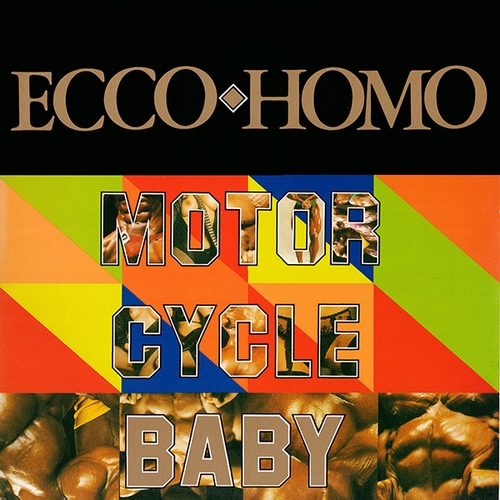
Tracklist: 01.Eccohomo - Motorcycle Baby (Psycho Petro Mix) (7:58) 02.Eccohomo - Motorcycle Baby (Single Mix) (4:14) 03.Eccohomo - Motorcycle Baby (The Word Mix) (7:07) "Motorcycle Baby" is a 1988 electro-punk single released in Australia by Ecco Homo. The band was fronred by Australian artist, singer, and musician "Troy" Davies (1960–2007), sometimes known as Ecco Homo or Vanessa. Under the stage name Ecco Homo, Troy signed a record deal with RooArt. He released two singles, "Motorcycle Baby" and "New York, New York". In the video clip for "Motorcycle Baby" he’s wrapped around INXS frontman Michael Hutchence, wearing a blonde wig and winged shades. Davies was known as a pioneer of sexual expression.
.
Producers and musicians who worked on the singles include Ollie Olsen, Gus Till, Michael Sheridan, Bill McDonald (all from Max Q) and Big Pig's Sherine Abeyratne who provided female vocals.
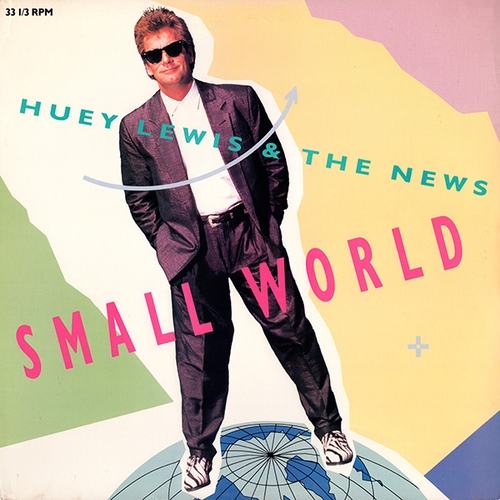
Tracklist: 01.Huey Lewis & The News - Small World (Extended Dance Mix) (7:11) 02.Huey Lewis & The News - Small World (Part One & Two) (7:39) 03.Huey Lewis & The News - Perfect World (4:05) "Small World" was the second single released, and title track of the fifth studio LP by American Pop/Rock band Huey Lewis & The News. The single debuted on the US Billboard Hot 100 on October 8, 1988 peaking at #25 on November 26, 1988 after spending eleven weeks on the survey. Although it reached the top 20 on the Billboard 200 albums chart, the album did not sell as well as the band's previous albums, Sports and Fore!. However, Lewis himself stated in a Behind the Music interview that the recording process for Small World had the most favorable working conditions.
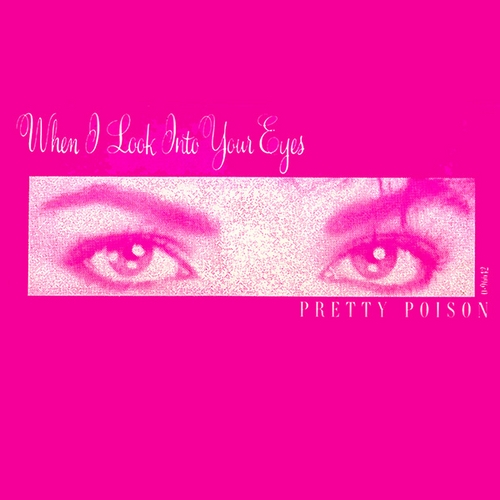
Tracklist: 01.Pretty Poison - When I Look Into Your Eyes (Dance Mix) (5:08) 02.Pretty Poison - When I Look Into Your Eyes (Hip Hop Mix) (5:45) 03.Pretty Poison - Nightime (Welcome To Our House Mix) (8:10) 04.Pretty Poison - When I Look Into Your Eyes (Bonus Scratch Beats) (2:27) "When I Look Into Your Eyes" is a song by American dance group based out of Philadelphia, Pennsylvania, Pretty Poison. The song was released as the third and final single from the group's debut LP "Catch Me I'm Falling". "When I Look Into Your Eyes" debuted on the U.S. Billboard Dance Chart on July 30, 1988 peaking at #10 after spending eight weeks on the survey. The single was produced by Fred Zarr who has also worked with Debbie Gibson, Madonna, and Whitney Houston. The group did not film a music video for this single.
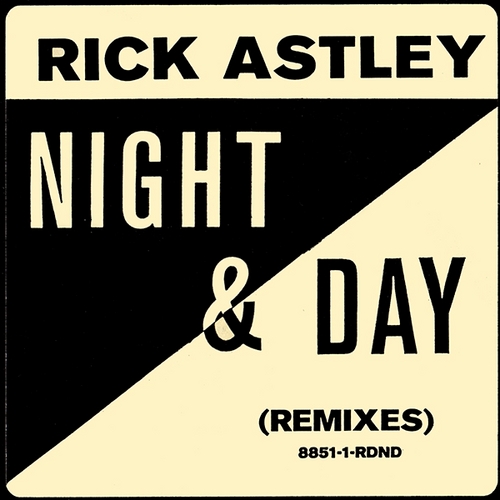
Tracklist: 01.Rick Astley - She Wants To Dance With Me (Bordering On A Collie Mix) (6:05) 02.Rick Astley - She Wants To Dance With Me (Remix) (5:40) "She Wants to Dance with Me" is a song written and recorded by English singer-songwriter Rick Astley, released as the lead single from his second studio album, Hold Me in Your Arms (1988). The song was released in United Kingdom on September 12, 1988 by RCA, and became an international success, peaking in the top ten in many countries, including Canada, where it topped the chart, and the US and the UK, where it reached number six. Originally the "Remix" was exclusive to the USA market but has since appeared on other formats internationally.
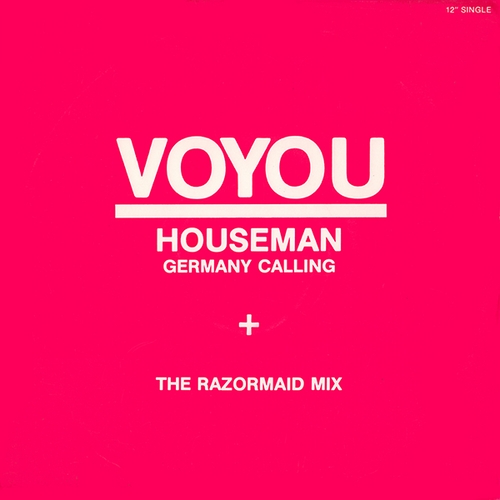
Tracklist: 01.Voyou - Houseman (5:52) 02.Voyou - Germany Calling (5:56) 03.Voyou - Houseman (The Razormaid Mix) (6:52) "Houseman/Germany Calling" is New Beat single by pioneering German trio Voyou consisting of Andreas Dux, Thomas Althen and Udo Niebergal. The single was mixed by Alexander Henninger (Moskwa TV). "Hoseman/Germany Calling" was released in the USA on Dallas, Texas based label Oaklawn Records. The record was very popular in U.S. dance clubs debuting on the Billboard Dance Chart on Audust 13, 1988 peaking at #46 after spending five weeks on the survey.
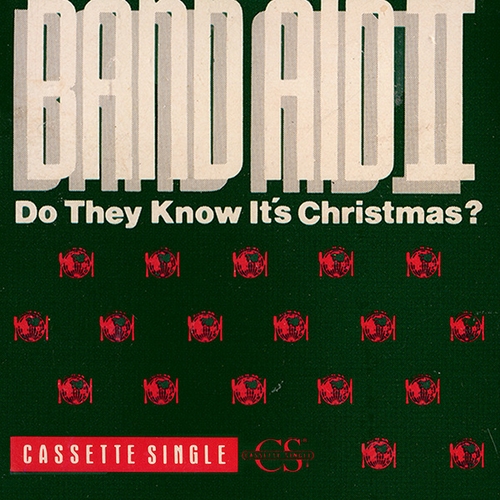
Tracklist: 01.Band Aid II - Do They Know It's Christmas? (4:26) 02.Band Aid II - Do They Know It's Christmas? (Instrumental) (4:26) "Do They Know It's Christmas?" is a charity song written in 1984 by Bob Geldof and Midge Ure to raise money for the 1983–1985 famine in Ethiopia. It was first recorded by Band Aid, a supergroup assembled by Geldof and Ure consisting of popular British and Irish musical acts. A second version of "Do They Know It's Christmas?" was recorded under the name of Band Aid II in 1989, overseen by the most successful British production team of the late 1980s, Stock Aitken Waterman. Geldof had telephoned Pete Waterman to ask him to produce a new version of the song to aid the ongoing situation in Ethiopia, and within 24 hours the recording session had been arranged at Stock Aitken Waterman's studios on London's South Bank. The recording took place over the weekend of 2 and 3 December, and featured several artists who had already been produced by SAW, including Kylie Minogue, Jason Donovan, Bananarama, Sonia, and Cliff Richard, as well as other artists who had big hits in 1989, such as Lisa Stansfield, Jimmy Somerville, Wet Wet Wet and Bros. Bananarama's Sara Dallin and Keren Woodward became the only artists to appear on both the 1984 and 1989 versions of the record. Siobhan Fahey, who had been part of Bananarama's line-up at the time the first recording of the song was released, had left the group in 1988. The lyrics were rearranged for a more traditional 'verse and chorus' structure, with the opening verse being split in two with a short repeat of the ending chorus being played at the end of both, followed by the "here's to you" section and a final lengthened version of the closing chorus (with commentary by Michael Buerk played over the outro in the music video). Released on 11 December 1989, the Band Aid II version spent three weeks at number one in the UK, becoming the Christmas number one single and the last number one single of the 1980s, and ended the year as the ninth biggest selling single of 1989. Personnel
(adapted from credits on back cover of the single sleeve) Bananarama
Big Fun
Bros
Cathy Dennis
D Mob
Jason Donovan
Kevin Godley
Glen Goldsmith
Kylie Minogue
The Pasadenas
Chris Rea
Cliff Richard
Jimmy Somerville
Sonia
Lisa Stansfield
Technotronic (incorrectly listed as "Technotronics" on the sleeve)
Wet Wet Wet Musicians Matt Aitken – keyboards, guitar
Luke Goss – drums
Chris Rea – guitar
Mike Stock – keyboards
The sleeve also credits "A Linn" with playing drums on the record, a joking reference to the programmed Linn drum machine.
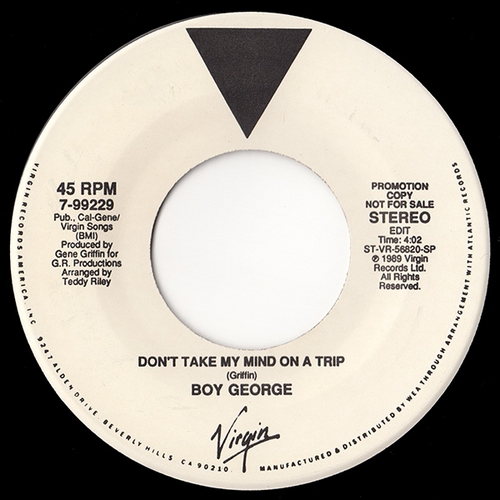
Tracklist: 01.Boy George - Don't Take My Mind On A Trip (Edit) (4:02) 02.Boy George - Don't Take My Mind On A Trip (Naked Beat Mix) (3:55) "Don't Take My Mind On A Trip" was the second single taken from third solo LP titled "Boyfriend" by Boy George. The song was arranged by Teddy Riley, and produced by Gene Griffin. "Don't Take My Mind on a Trip" was released in February 1989 the single was a disappointment to Virgin Records when it only made No. 68 in the UK Singles Chart, it peaked at No. 5 on the US Billboard R&B Charts and No. 26 on the Billboard Dance Charts. In the USA "Don't Take My Mind On A Trip" was included on the LP "High Hat" which compiled tracks from Boy George's second and third UK and European solo albums, Tense Nervous Headache and Boyfriend.
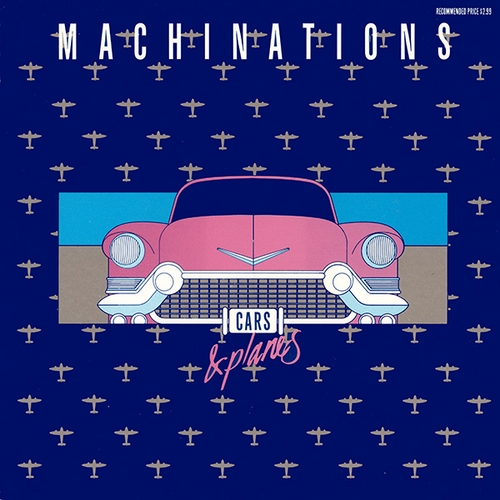
Tracklist: 01.Machinations - Cars & Planes (Remix) (3:24) 02.Machinations - Cars & Planes (4:24) "Cars & Planes" was the fourth single taken from the third and final album "Uptown" by Australian synthpop band Machinations. "Cars & Planes" failed to chart while the album reached #50 on the ARIA Charts the main Australian music sales chart. The group had become a popular band on the Australian touring circuit. Their activities were curtailed in April 1989 when a hit-and-run car accident left band mate Fred Loneragan with a broken neck, multiple cuts, bruises and concussion. He spent several months recuperating in hospital. Initially fellow band members intended to continue whilst Loneragan recovered, however the group disbanded as various members left to join other local groups.
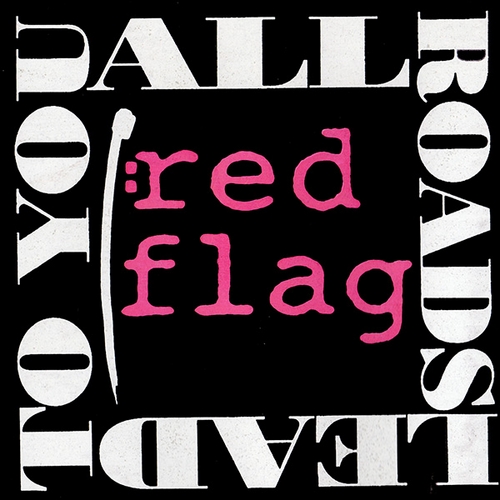
Tracklist: 01.Red Flag - All Roads Lead To You (After Hours Mix) (6:14) 02.Red Flag - All Roads Lead To You (After Hours Radio Mix) (4:36) 03.Red Flag - All Roads Lead To You (After Hours Instrumental Mix) (4:36) 04.Red Flag - All Roads Lead To You (Heart Of Darkness Mix) (4:06) 05.Red Flag - All Roads Lead To You (Heart Of Dubness Mix) (4:02) 06.Red Flag - All Roads Lead To You (LP Mix) (6:50) "All Roads Lead to You" was the fourth single taken from the debut LP "Maive Art" by British-American synthpop duo Red Flag. The single was only released in the Ubited States where it failed to chart. There was no music video produced for the song. None of the remixes have appeared on any of the various re-issues of "Naive Art".
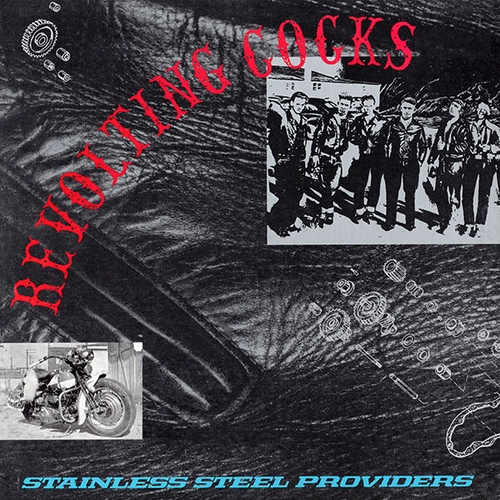
Tracklist: 01.Revolting Cocks - Stainless Steel Providers (5:52) 02.Revolting Cocks - At The Top (6:24) "Stainless Steel Providers" is a single released in February, 1989 by Revolting Cocks, also known as RevCo, an American-Belgian industrial rock band, and sometimes supergroup, that began as a musical side project for Richard23 of Front 242, Luc van Acker, and Al Jourgensen of Ministry. The song was taken from their second studio album Beers, Steers + Queers released in May 1990. "Stainless Steel Providers" was the band's third single.
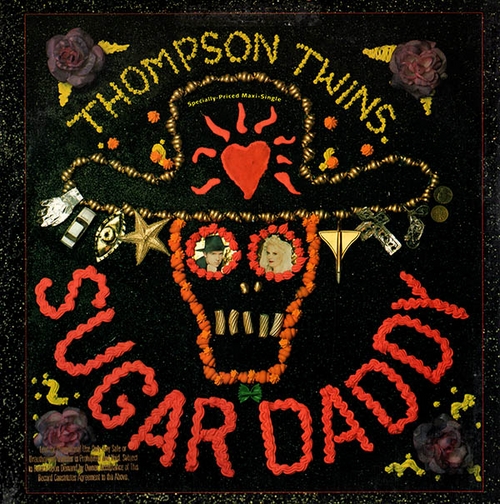
Tracklist: 01.Thompson Twins - Sugar Daddy (Sweet N' Low Mix) (5:37) 02.Thompson Twins - Sugar Daddy (Big Daddy's Dub) (5:14) 03.Thompson Twins - Sugar Daddy (7" Remix) (3:38) 04.Thompson Twins - Sugar Daddy (Velvet Rail Mix) (7:42) 05.Thompson Twins - Sugar Daddy (Velvet Rail Dub) (5:49) 06.Thompson Twins - Monkey Man (3:34) "Sugar Daddy" is a song by British pop group Thompson Twins, which was released in 1989 as the lead single from their seventh studio album Big Trash. The song was written and produced by Tom Bailey and Alannah Currie. "Sugar Daddy" reached number 28 on the US Billboard Hot 100 (their final Top 40 hit in the US) and number 97 in the UK Singles Chart. In a 1989 interview on MuchMusic, Bailey described the song as sounding "quite sugary" but added "the message is quite disturbing". He added, "It's about sexual manipulation, affection traded for power, and as with all those sort of power-gain relationships, there's always a sugar coating, so that's why the song is so sugary but the message so bizarre." Speaking on MuchMusic, Currie revealed some of the unused sequences of the video, "The video was funny. I wanted to be the angel of death in it, with a black guitar and wings, but I kept getting stuck up there and screaming to get down, so we had to lose some of those shots. And then they built this enormous 12 foot skirt, I wanted to have these men coming out from under my skirt, and they edited that down to make it a bit more acceptable. I wanted to be the original hell's angel, it didn't quite come off. I always get disappointed by our videos."
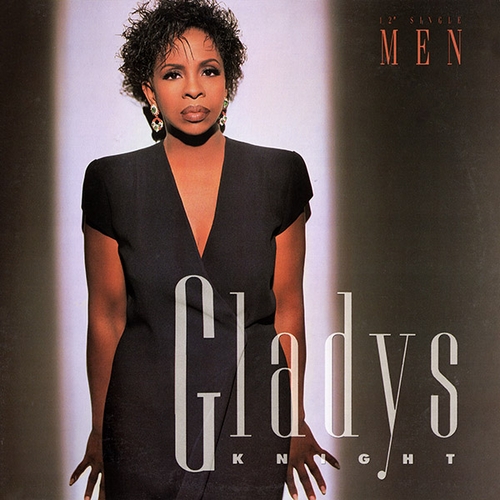
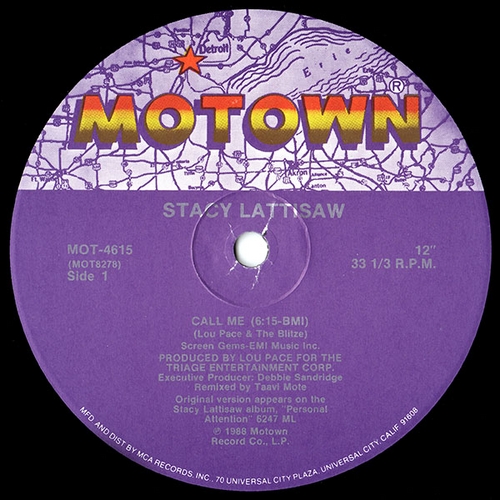
Tracklist: 01.Gladys Knight - Men (Extended Club Version) (7:15) 02.Gladys Knight - Men (Instrumental) (5:27) "Men" was the first single taken from the third solo LP "Good Women" by Akerican R&B singer Gldys Knight. The single peaked at #2 on the U.S. R&B/Hip-Hop Chart on August 17, 1991 after spending seventeen weeks on the survey.
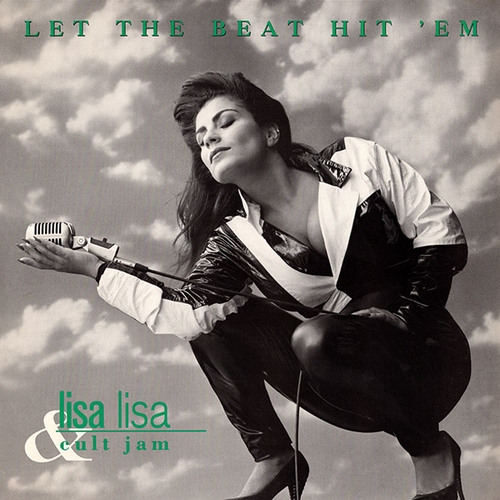
Tracklist: 01.Lisa Lisa & Cult Jam - Let The Beat Hit 'Em (The Brand New Super Pumped-Up C&C Vocal Club Mix) (7:34) 02.Lisa Lisa & Cult Jam - Let The Beat Hit 'Em (The Paradise Garage Club Mix) (7:02) 03.Lisa Lisa & Cult Jam - Let The Beat Hit 'Em (Super Pumped-Up C&C Instrumental Mix) (5:27) "Let the Beat Hit 'Em" is a song by American urban contemporary band Lisa Lisa and Cult Jam, released as the first single from their fourth and final studio album, Straight Outta Hell's Kitchen (1991). The song spent one week at number-one on the US R&B chart in the week of September 14, 1991, and also reached No. 37 on the Billboard Hot 100. On the US dance charts, it was the third and final number-one for the group. It also peaked at number-one on the Canadian RPM dance chart. The song also reached number seventeen on the UK singles chart. On "Let the Beat Hit 'Em", Lisa Lisa and Cult Jam sampled "Ghetto Heaven" by The Family Stand, The Emotions' 1977 single "Best of My Love" and "Set It Off" by Strafe. and Donald Byrd Think Twice. "Let the Beat Hit 'Em" was also sampled by Kylie Minogue on the track "Too Much of a Good Thing" off her 1991 album Let's Get To It. A black-and-white music video was made to accompany the song, directed by German director Marcus Nispel.
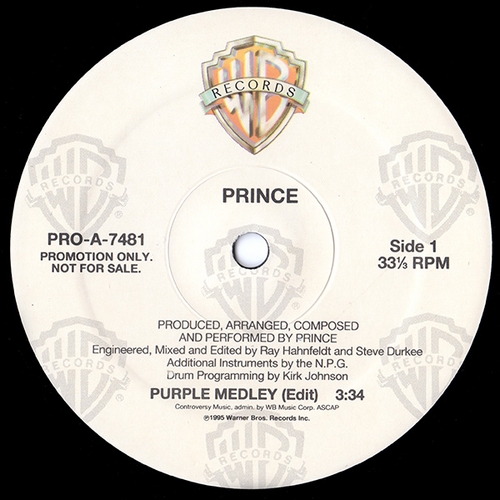
Tracklist: 01.Prince - Purple Medley (Edit) (3:11) 02.Prince - Purple Medley (11:00) "Purple Medley" was a stand-alone single, released in March 1995 to coincide with Prince's European 'Ultimate Live Experience' tour. It was simultaneously released with The Sacrifice Of Victor and The Undertaker home videos. The track is a mix of many hits and well-known songs from Prince's career. Some of the pieces of music are samples, while others are re-recorded for the mix. Some of the additional instrumentation is credited to The New Power Generation. The "Purple Medley" consists of snippets from the songs: "Batdance", "When Doves Cry", "Kiss", "Erotic City", "Darling Nikki", "1999", "Baby I'm a Star", "Diamonds and Pearls", "Purple Rain" and "Let's Go Crazy" and fades for the edit. The full version continues with "Sexy Dancer", "Let's Work", "Irresistible Bitch" (with the music of "Sexy MF"), "I Wanna Be Your Lover", "Alphabet St.", "Thieves in the Temple", the bassline to The Time's "777-9311", Sheila E.'s "A Love Bizarre", "If I Was Your Girlfriend", "Raspberry Beret", "Little Red Corvette", "Cream" and "Peach". The song performed rather poorly in the charts worldwide and received very little night airplay in the US on radio station mixshows. It peaked at number 84 on the Billboard Hot 100 and number 74 on the R&B chart. In the UK, the medley reached number 33.
DMMANIAC
Заменено 4 релиза
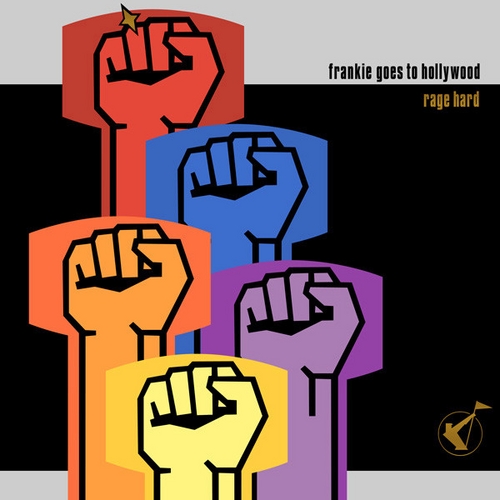
Tracklist: 01.Frankie Goes To Hollywood - Rage Hard (Vocal Remix) (7:00) 02.Frankie Goes To Hollywood - Rage Hard (Remix Edit Vocal) (4:20) 03.Frankie Goes To Hollywood - Rage Hard (Remix Dub Instrumental) (5:12) "Rage Hard" is the fifth single by English pop band Frankie Goes to Hollywood. It was released on 25 August 1986 as the first single from their second album Liverpool. The song reached number 4 in the UK Singles Chart and number 1 in Germany and it was also a massive success in other countries. Having topped the charts around the world with Welcome to the Pleasuredome and its accompanying singles, Frankie Goes to Hollywood took off to Hilversum Wisseloord Studios to record the follow-up album, Liverpool. Taking on a rockier edge, "Rage Hard" was the first single culled from the album. In a 1986 interview, singer Holly Johnson was asked about the meaning of the song explaining, "Have you read the poem 'Do Not Go Gently Into That Good Night' by Dylan Thomas? It was kind of inspired by that. It's an incantation against death and lethargy, and it's supposed to encourage lots of creative idealism in the listener." Not only was it the first Frankie single to be featured on CD single, it was also the first single to not feature a cassette release—new rules limited the number of items that could count towards the official charts, following the earlier ZTT excesses. "Rage Hard" eventually hit number 4 in the UK Singles Chart and number 1 in Germany for two weeks, #5 in Switzerland, #7 in the Netherlands, #12 in Austria, #19 in Sweden and #32 in France.
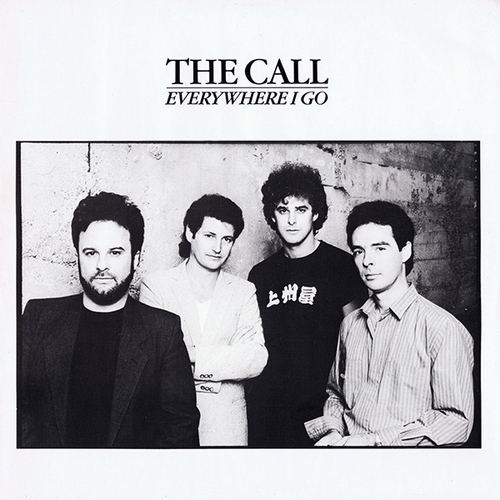
Tracklist: 01.The Call - Everywhere I Go (Extended Remix) (5:33) 02.The Call - Tore The Old Place Down (4:13) “Everywhere I Go” was the third single released by American rock band The Call. The single was taken from their 1986 album “Reconciled”. The track features backing vocals by Scottish musician Jim Kerr and English singer, songwriter Peter Gabriel. The “Extended Remix” only appears on the UK 12″ single. “Everywhere I Go” debuted on the Billboard Hot Mainstream Rock Singles chart on June 28, 1986 peaking at #38.
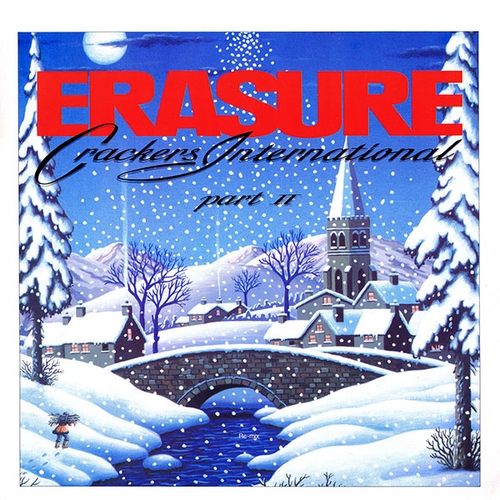
Tracklist: 01.Erasure - Stop! (Mark Saunders Remix) (5:46) 02.Erasure - Knocking On Your Door (Mark Saunders Remix) (6:04) 03.Erasure - God Rest Ye Merry Gentlemen (3:10) Crackers International is a Christmas EP released by English synth-pop duo Erasure in November 1988, in between the albums The Innocents (1988) and Wild! (1989). The EP reached number-one in Denmark and Argentina, and peaked at number two in the United Kingdom and Ireland. Additionally "Crackers International (Part II) was released in the UK by Mute Records in a very limited-edition, seasonal pressing. Released originally in 12" vinyl with extended versions of "Stop!" and "Knocking on Your Door", both remixed by Mark Saunders, it also added the holiday standard "God Rest Ye Merry Gentlemen". To promote the EP "Stop!" was released as a single in the US, just barely making an appearance on the Billboard Hot 100 (number 97). On the US Hot Dance Music/Club Play chart "Stop!" / "Knocking on Your Door" peaked at number four as a double-sided entry. "Stop!" also reached number 2 on the UK singles chart. A simple music video was released for "Stop!" showing Clarke and Bell performing the song on a stage surrounded by "stop", "no entry", "give way" and similar road signs.
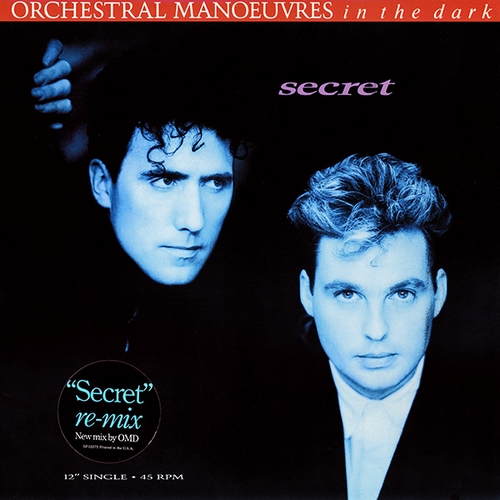
Tracklist: 01.Orchestral Manoeuvres In The Dark - Secret (New 12" Remix) (5:52) 02.Orchestral Manoeuvres In The Dark - Secret (New 7" Remix) (3:47) 03.Orchestral Manoeuvres In The Dark - Secret (Old 12" Remix) (6:13) 04.Orchestral Manoeuvres In The Dark - Telegraph (Live) (3:55) "Secret" is a 1985 song by English electronic band Orchestral Manoeuvres in the Dark (OMD), released as the second single from their album Crush. Paul Humphreys sings lead vocals on the track. It became their second US Billboard Hot 100 entry, peaking at number 63, and also made number 34 on the UK Singles Chart. The song was featured in the 1988 movie Arthur 2: On the Rocks and on its soundtrack album; it was also re-released to radio in the US as the follow-up to The Best of OMD track "Dreaming", approximately one month prior to the movie's premiere. The new 1988 remix received renewed airplay on several US contemporary hit stations, it did not re-chart on the Hot 100. The video for "Secret", directed by Andy Morahan, shows various vintage black & white film clips, including footage of the Beatles, interspersed with new black & white footage of Humphreys and a woman processed to look like old home movies; additionally there are colour scenes of Humphreys singing. The theme is that a woman deserts her current love interest (McCluskey) to return to the arms of her true love (Humphreys). McCluskey's character observes the two lovers together and, though despondent, gallantly accepts that his love interest should instead be with Humphreys' character, before walking into the distance along the shore. The clip was filmed at Walton-on-the-Naze, Essex. The New 1988 Remixes were only released in the U,S.
Добавлено 30 релизов
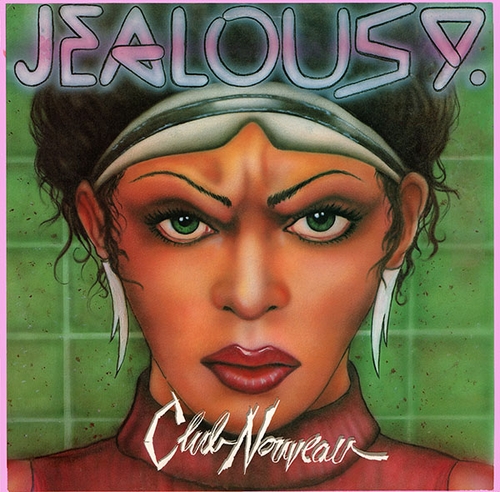
Tracklist: 01.Club Nouveau - Jealousy (Green Eyed Vocal) (4:46) 02.Club Nouveau - Jealousy (Instrumental) (4:32) 03.Club Nouveau - Malicious Jealousy (Vicious Vocal) (6:34) "Jealousy" was the debut single released by American R&B group, Club Nouveau from the album Life, Love & Pain. "Jealousy" was essentially an answer song responding to Timex Social Club's hit "Rumors". The single debuted on the Billboard R&B chart on September 6, 1986 peaking at #8 on November 11, 1986 after spending fifteen weeks on the survey. "Jealousy" also peaked at #38 on the U.S. Dance Chart. In the U.K. the song reached #80.
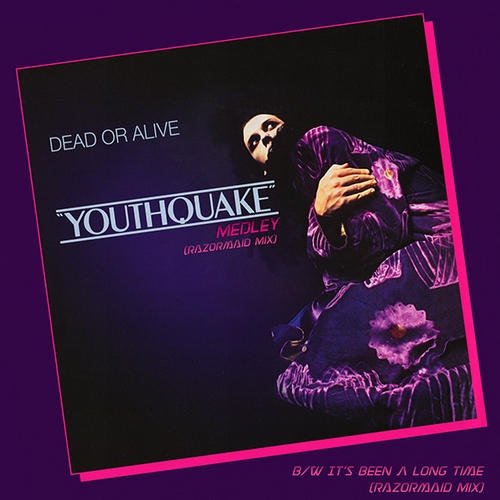
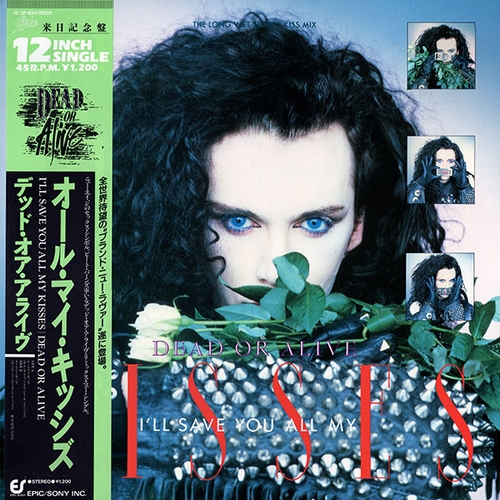
Tracklist: 01.Dead Or Alive - Youthquake Medley (Razormaid Mix) (10:11) 02.Dead Or Alive - It's Been A Long Time (Razormaid Mix) (6:21) "Youthquake" is the second studio album by the English pop band Dead or Alive, released on 3 May 1985 by Epic Records. The album was their commercial breakthrough in Europe and the United States, due to the lead single "You Spin Me Round (Like a Record)", which was a UK No. 1 hit and a Top 20 hit in the United States. Additional single releases from the album included "Lover Come Back to Me", "In Too Deep" and "My Heart Goes Bang (Get Me to the Doctor)". This was Dead or Alive's first collaboration with the Stock Aitken Waterman production team. The recording was marked by tension and clashes between band and producers, which engineer Phil Harding alleges almost escalated to violence. In 1986 one of the most influential Remix services Razormaid released Chapter A.2 which included a medley of tracks taken from "Youthquake" along with a remix of the downtempo album track "It's Been A Long Time" both were remixed by razormaid c-founder Joseph watt. Both tracks were originally released on Yellow transparent vinyl on the issue Razormaid Chapter A.2. I also created custom art for this release.
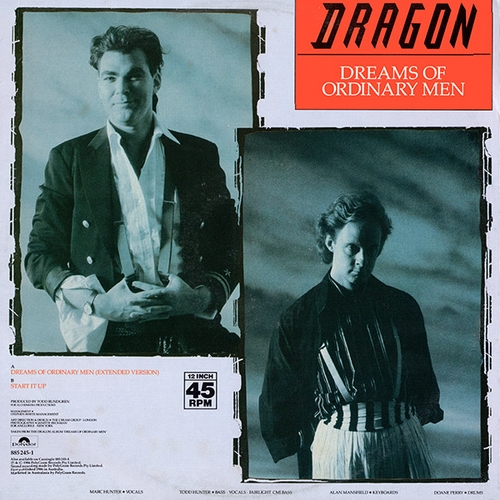
Tracklist: 01.Dragon - Dreams Of Ordinary Men (Extended Version) (7:13) 02.Dragon - Start It Up (7:09) "Dreams of Ordinary Men" is a song by New Zealand-Australian rock band Dragon released in August 1986 as the second single from the group's eighth studio album Dreams of Ordinary Men (1986). The song peaked at number 17 on the Australian Kent Music Report. The song also features additional guitars, and backing vocals by American muscian Todd Rundgren who also produced the track.
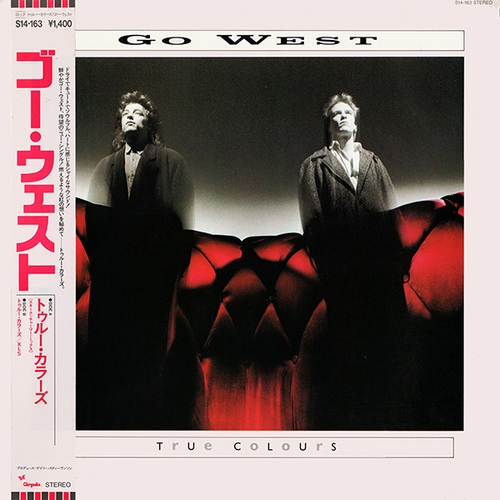
Tracklist: 01.Go West - True Colours (The Snake Charmer Mix) (5:04) 02.Go West - True Colours (3:56) 03.Go West - XL5 (2:52) "True Colours" is a song by British band Go West, released on November 17, 1986 as the lead single from their second studio album Dancing on the Couch. It was written by Peter Cox and Richard Drummie, and produced by Gary Stevenson. "True Colours" reached No. 48 in the UK and No. 22 in Ireland. The song was not released in the United States.
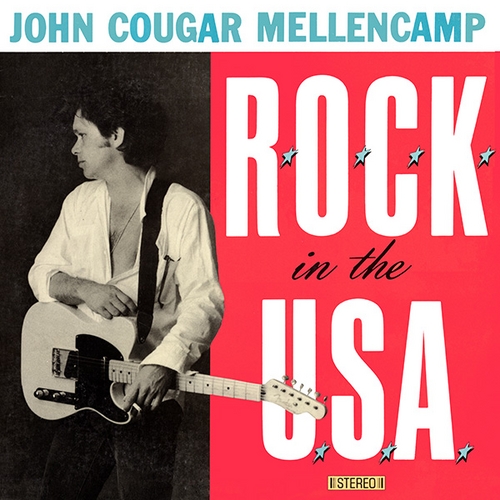
Tracklist: 01.John Cougar Mellencamp - R.O.C.K. In The U.S.A. (2:49) 02.John Cougar Mellencamp - Under The Boardwalk (3:52) "R.O.C.K. in the U.S.A.", subtitled "A Salute to 60's Rock", is a rock song written and performed by John Cougar Mellencamp. It was the third single from his 1985 album Scarecrow and a top-ten hit on both the Billboard Hot 100 and Top Rock Tracks charts, peaking at number 2 and number 6 respectively. In Australia, the single effectively became a double-A side when the B-side "Under the Boardwalk" received significant airplay and both tracks were listed together on the singles chart, reaching #18. According to Mellencamp biography Born in a Small Town, Mellencamp was initially reluctant to include "R.O.C.K. in the U.S.A." on Scarecrow, feeling the song was too light-hearted to include alongside the otherwise grim songs such as "Rain on the Scarecrow" and "Face of the Nation". Mellencamp told Timothy White in a 1986 article for the Illinois Entertainer of his decision to include "R.O.C.K. in the U.S.A." on Scarecrow: "It was one of those absolute last-split-second decisions. I was only including it on the cassette and CD copies of Scarecrow as a bonus party track, but my manager loved the energy of it and I thought, 'Yeah! What the hell!'" Mellencamp required his band to learn how to play about 100 songs from the 1960s before recording Scarecrow, and the song includes several direct musical references to 1960s songs, including The Troggs' "Wild Thing". The song was recorded at Belmont Mall in Belmont, Indiana. The recording was produced by Mellencamp (under the alias "Little Bastard") and Don Gehman, engineered by Gehman and Greg Edward; backing Mellencamp on the recording were Kenny Aronoff (drums), Toby Myers (bass), Mike Wanchic (guitars, background vocals), Larry Crane (guitars, flutophone), John Cascella (keyboards), and Sarah Flint (background vocals). Cash Box called it a "no-holds-barred rocker." Billboard said that it "evokes, without quite quoting, reference points from 'La Bamba' to '96 Tears.'" A music video for the single was released in 1986. The video was directed by Mellencamp and Faye Cummings, and it was filmed using a kinescope camera. It featured an African American-vocal group and a Caucasian-instrumental group with the two groups playing together at the end of the video.
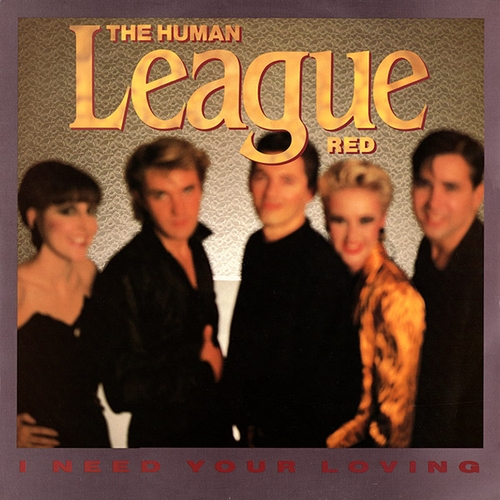
Tracklist: 01.The Human League - I Need Your Loving (Extended Version) (7:18) 02.The Human League - I Need Your Loving (Acapella Version) (3:46) 03.The Human League - I Need Your Loving (Dub Version) (6:43) 04.The Human League - I Need Your Loving (Instrumental Version) (3:46) "I Need Your Loving" is a song by English synth-pop band the Human League, released as the second single from their fifth studio album, Crash (1986). The song was written by Jimmy Jam, Terry Lewis, David Eiland, Langston Richey, Danny Williams and Herman Davis (a.k.a. Randy Ran). As were many other tracks from the album, "I Need Your Loving" was aimed towards the US market, where the first single from Crash, "Human", had reached number one. The single was recorded at the Flyte Time studios Minneapolis under the production of Jimmy Jam and Terry Lewis while the Human League had been in residence from February until April 1986. In the UK it was promoted with a cheaply and badly filmed music video and it became the band's worst showing in the UK charts ever, only reaching number 72. The song was savaged by critics at the time and has now been largely disowned by the band since. In the United States the song reached number 44 on the Billboard Hot 100 singles chart on January 24, 1987 after spending eleven weeks on the survey. "I Need Your Loving" also peaked at number 52 on the Billboard R&B chart.
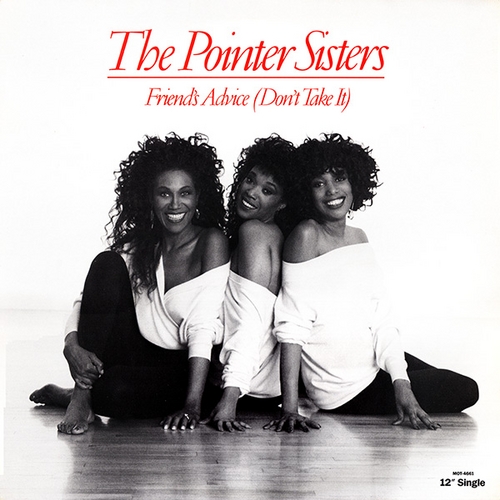
Tracklist: 01.Anita Pointer - Overnight Success (Dance Mix) (7:28) 02.Anita Pointer - Overnight Success (Instrumental) (6:10) "Overnight Success" is song recorded by American singer and songwriter Anita Pointer, best known as a founding member of the vocal group the Pointer Sisters. "Overnight Success" was the first single taken from her debut solo LP "Love for What It Is" released in 1987. "Overnight Success" reached #41 on the U.S. Billboard R&B Chart.
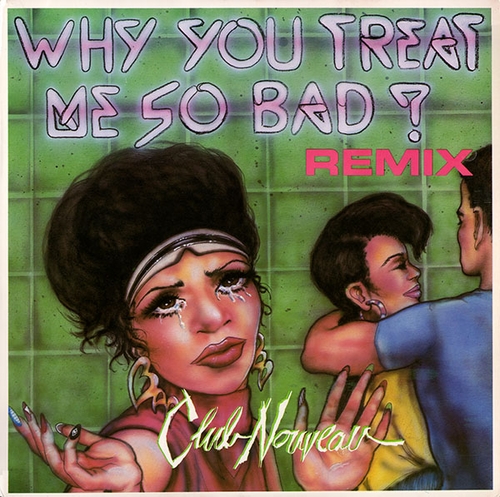
Tracklist: 01.Club Nouveau - Why You Treat Me So Bad (Club Mix) (7:50) 02.Club Nouveau - Why You Treat Me So Bad (Radio Edit) (5:36) 03.Club Nouveau - Why You Treat Me So Bad (Ultimate Nouveau Mix) (9:06) 04.Club Nouveau - Why You Treat Me So Bad (LP Version) (5:08) "Why You Treat Me So Bad?" is a 1987 single by Club Nouveau from their 1986 album Life, Love & Pain. The basic melodic hook of the song is taken from a hit by Club Nouveau member Jay King's previous project as producer, Timex Social Club (namely, the song "Thinkin' About Ya"). The song has been sampled several times by other musicians. Hip-hop duo Luniz interpolated the song on their hit single "I Got 5 on It"; that song was then sampled by Sean 'Puff Daddy' Combs, on his hit single, "Satisfy You"; as well as "I Like It" by Mr. Capone-E and "I Know" by Yo Gotti. Singer Ashanti sampled the song for her hit single "Only U", as well as Jennifer Lopez on "I'm Gonna Be Alright". No Doubt singer Gwen Stefani cited the song as the reason she recorded her solo debut album Love. Angel. Music. Baby., after she listened to it while the band was on tour. "Why You Treat Me So Bad?" reached #2 on the Billboard R&B Chart, #22 (Dance), #39 on the Billboard Hot 100 sibgles Chart.
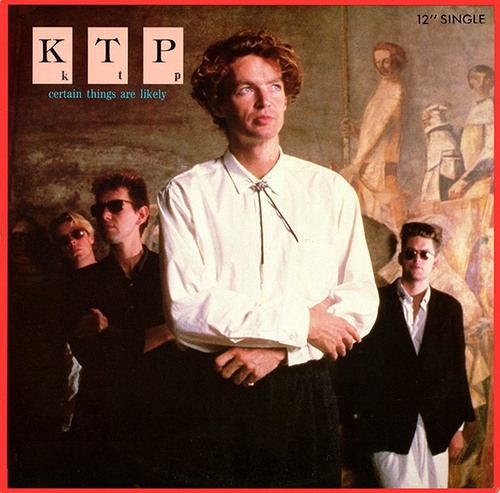
Tracklist: 01.KTP - Certain Things Are Likely (Garage Mix) (7:42) 01.KTP - Certain Things Are Likely (Garage Dub) (5:06) 03.KTP - Certain Things Are Likely (Original Mix) (7:39) 04.KTP - Certain Things Are Likely (Instrumental) (4:07) "Certain Things Are Likely" is a song by English band Kissing the Pink, released as both a 7" and 12" single in March 1987 from their album of the same name. Produced by the band and Peter Walsh, "Certain Things Are Likely" was released as the third single from the album, and was the most successful of their three entries on Billboard's Dance Club Songs chart, peaking at No. 1 for three weeks in May 1987. The song also made the Billboard Hot 100, peaking at No. 97 on the 13th of June, 1987.
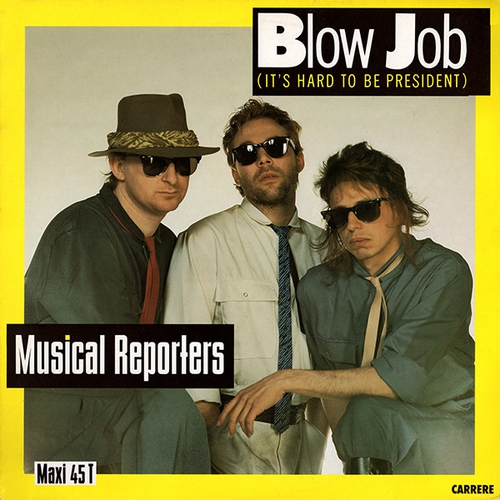
Tracklist: 01.Musical Reporters - Blow Job (It's Hard To Be President) (6:31) 02.Musical Reporters - Hold On (6:16) "Blow Job (It's Hard To Be President)" is a 1987 New Beat single by Belgian trio Musical Reporters which consisted of Jos Borremans (aka Chris Inger), K. Hendrickx (aka Harry Van Oekel), Maurice Engelen (aka Praga Khan). They only released one single which did manage to get some club play in America.
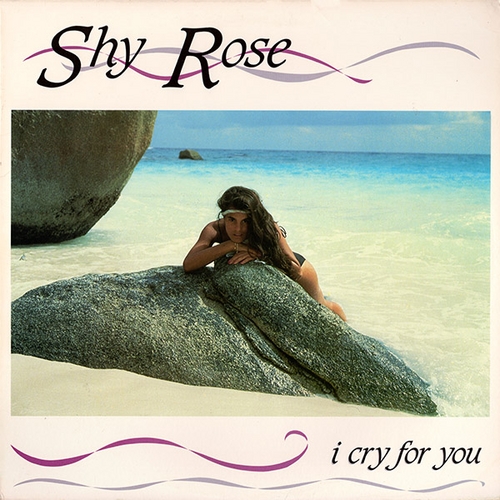
Tracklist: 01.Shy Rose - I Cry For You (Club Mix) (7:11) 02.Shy Rose - I Cry For You (Instrumental Club) (5:17) "I Cry For You" is a 1987 Italo-Disco/Hi-NRG single recorded by Shy Rose her real name is Valeria. Tony D (Antonio D'Addezio) produced the record, and according to his Discogs bio the track became number 1 in the dance scene nearly allover the world, mostly in the USA, UK, Mexico and Japan. In Japan it was no 1 in the pop charts in front of Michael Jackson, Madonna and Pet Shop Boys. The record sold 5 milliom copies. Tony D has remixed, and re-released "I Cry For You" several times over the years. In 1988 Shy Rose released a follow-up single then disappeared. In 1994 a terribly mastered in Mono full-length album titled "You Are My Desire" was released by Unidisc Records in Canada. There was not a music video shot for the song.
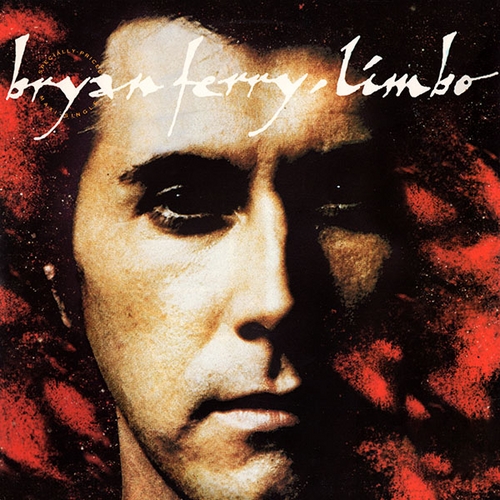
Tracklist: 01.Bryan Ferry - Limbo (Latin Mix) (6:38) 02.Bryan Ferry - Bette Noire (Instrumental) (5:01) 03.Bryan Ferry - Limbo (Brooklyn Mix) (8:38) "Limbo" is a song by English singer Bryan Ferry, the former lead vocalist for Roxy Music. It was released as the third and final single from his seventh album Bête Noire in 1988, and was his twenty-seventh single. The song failed to enjoy as much success as the two previous singles from the album; it peaked at No. 86 on the UK Singles Chart. It also appears in the ill-fated film Big Time, starring Paul Guilfoyle. The song, like the other singles released from the album ("The Right Stuff" and "Kiss and Tell"), features The Smiths' lead guitarist Johnny Marr. The song was co-produced by Patrick Leonard foremost recognized as co-writer, and producer of many of Madonna's songs from the earlier half of her career. The promotional video for the song was directed by style and fashion guru Michael Roberts, a longtime friend of Ferry. The models are Nathaly Coualy and Regina Monte.
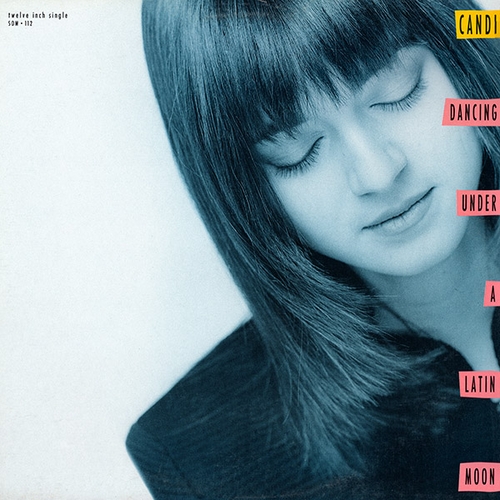
Tracklist: 01.Candi - Dancing Under A Latin Moon (Vocal Club Mix) (8:10) 02.Candi - Dancing Under A Latin Moon (Bonus Beats) (3:17) 03.Candi - Dancing Under A Latin Moon (Power Radio Single Mix) (4:36) 04.Candi - Dancing Under A Latin Moon (Instrumental Dub Mix) (6:17) "Dancing Under a Latin Moon" is the debut single recorded by Canadian pop band Candi & The Backbeat (initially named Candi) fronted by lead vocalist Candita "Candi" Pennella. "Dancing Under a Latin Moon" became a hit in Canada reaching #24 on the Canadian pop chart, and #8 on the Canadian Dance Chart. In the United States the record peaked at #68 on the Billboard Hot 100 on November 19, 1988 spending seven weeks on the survey "Dancing Under a Latin Moon" also reached #46 on the U.S. Dance chart.
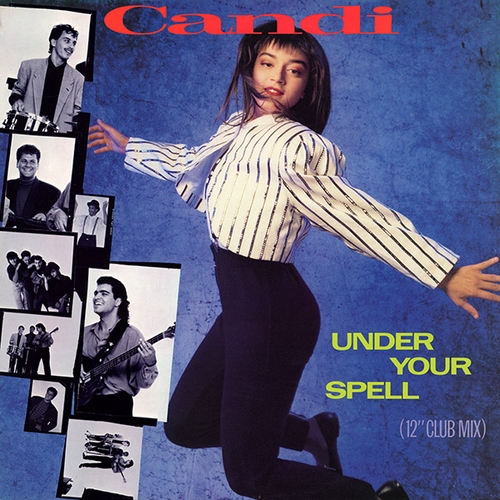
Tracklist: 01.Candi - Under Your Spell (Club Mix) (5:09) 02.Candi - Under Your Spell (LP Version) (3:50) 03.Candi - Under Your Spell (Trance Dub Mix) (6:23) "Under Your Spell" is the second single released by Canadian pop band Candi & The Backbeat (initially named Candi) fronted by lead vocalist Candita "Candi" Pennella. Band members included Nino (Big Papa) Milazzo (bass and background vocals), Paul (Baldy) Russo (drums and percussion), and Rich Imbrogno (keyboards). "Under Your Spell" was nominated for Single of the Year, and best Dance recording at the 1990 Juno Awards. "Under Your Spell" reached #1 on the Canadian Dance Chart, and #21 on the singles chart. In the United States the song debuted on the Billboard Dance chart on February 11, 1989 peaking at #39 after spending six weeks on the survey.
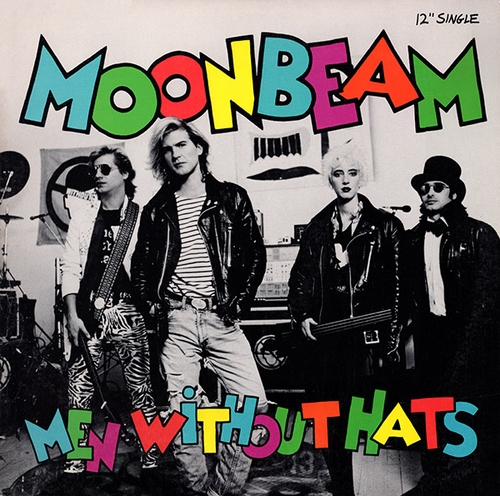
Tracklist: 01.Men Without Hats - Moonbeam, Beam Me Up (Extended Vocal Version) (7:42) 02.Men Without Hats - Moonbeam, Beam Me Up (Radio Edit) (5:50) 03.Men Without Hats - Dub Beam (4:14) 04.Men Without Hats - Home On The Beam (House Is A Home Mix) (5:57) 05.Men Without Hats - Moonbeam (Bacc-A-Pella/Vocal) (3:42) "Moonbeam" is a song by Canadian new wave and synthpop band Men Without Hats. The song was released as the second single from the LP "Pop Goes The World". "Moonbeam" failed to gain much traction only reaching #23 on the Canadian singles chart, and #46 on the U.S. Dance Chart on April 23, 1988 after spending two weeks on the survey.
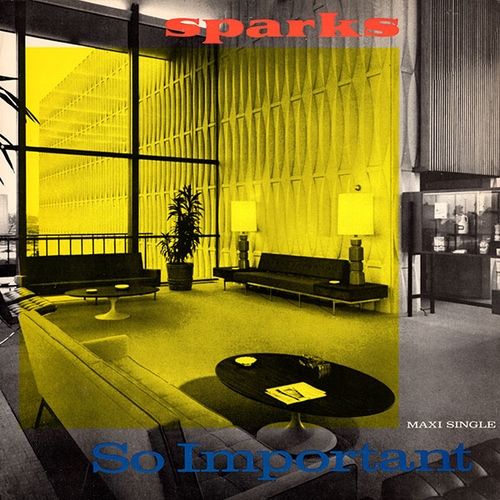
Tracklist: 01.Sparks - So Important (Extremely Important Mix) (6:59) 02.Sparks - So Important (Incredibly Important Mix) (6:51) 03.Sparks - So Important (Single Version) (4:31) "So Important" was the first single taken from the fifteenth studio album by the American rock band Sparks. Interior Design did little in the way to reverse the commercial fortunes of the group, and did not appear on the album charts in the US or the UK. "So Important" did better reaching #8 on the U.S. Billboard Dance Chart on August 8, 1988 after spending ten weeks on the survey.
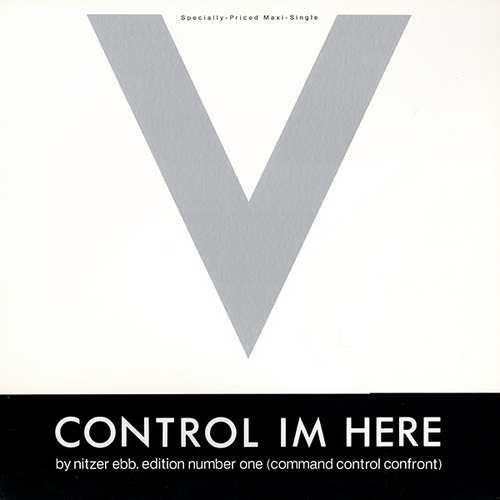
Tracklist: 01.Nitzer Ebb - Control I'm Here (Zero Option Mix) (3:53) 02.Nitzer Ebb - Control I'm Here (Command Control Confront Mix) (6:43) 03.Nitzer Ebb - Control I'm Here (Inst. Club Mix) (5:33) 04.Nitzer Ebb - K.I.A. (4:27) When researching songs that I wanted to include for PRIDE Month I wanted to step outside of the box because PRIDE music is not just Disco or Divas there is also many other geres to seek out ibcluding EBM/Industrial music which was quite popular in the mid-late 80's a homoerotic militaristic style of dance music which was a leather scene favorite. It was subversively left wing beneath it's macho surface. Bands like Nitzer Ebb really tapped into this subgenre. "Control I’m Here" was the first single released by British EBM project Nitzer Ebb taken from their second and upcoming studio album "Belief". It reached #100 in the UK Single's Chart, and #14 on the US Billboard Dance chart. the single was co-produced by Post-punk record producer and DJ, Flood (Mark Ellis) known for his work with a-ha, Depeche Mode, Erasure, Nine Inch Nails, U2 and many other bands.
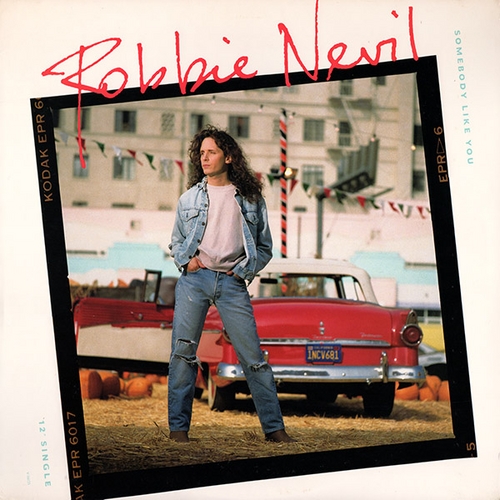
Tracklist: 01.Robbie Nevil - Somebody Like You (TJ Mix) (6:34) 02.Robbie Nevil - Somebody Like You (Radio Dance Mix) (4:28) 04.Robbie Nevil - Somebody Like You (Yu Yu Mix) (7:35) 04.Robbie Nevil - Somebody Like You (Where's The Band Mix) (2:49) "Somebody Like You" was the second single taken from American pop singer, songwriter, record producer Robbie Nevil's second studio LP "A Place Like This" (1988). At this point Nevil had garnered four Billboard top 40 hits including his songs "C'est la Vie" (#2, 1986), "Dominoes" (#14, 1987), "Wot's It to Ya" (#10, 1987), and "Back on Holiday" (#34, 1988). "Somebody Like You" debuted on the Billboard Hot 100 on March 18, 1989 peaking at #68 on April 8, 1989 spending eleven weeks on the survey ending Nevil's string of four consecutive Top 40 singles.
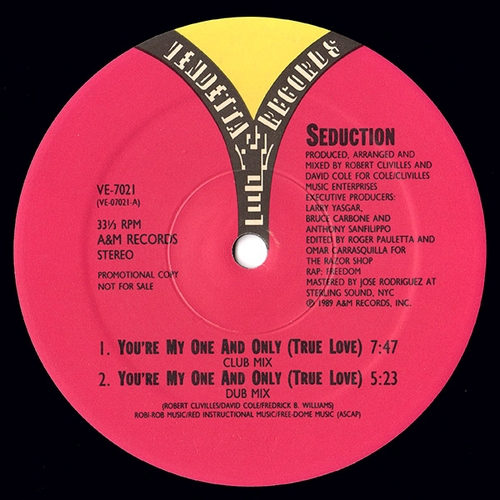
Tracklist: 01.Seduction - You're My One And Only (True Love) (Club Mix) (7:43) 02.Seduction - You're My One And Only (True Love) (Dub Mix) (5:26) 03.Seduction - You're My One And Only (True Love) (Freedom's Here (With RC/DC)) (6:45) 04.Seduction - You're My One And Only (True Love) (Underground Mix) (5:00) 05.Seduction - You're My One And Only (True Love) (Hot Mix) (3:48) "(You're My One and Only) True Love" is a single by Seduction. Although uncredited, the lead vocals and background vocals were performed by Martha Wash, with additional background vocals by Seduction. In 1989, Wash recorded a song "(You're My One and Only) True Love" as a demo, produced by David Cole who would later form C+C Music Factory. Cole later gave the song to then-upcoming female group Seduction. The song appeared on Seduction's debut album Nothing Matters Without Love, released in September 1989, retaining the use of Wash's lead vocals and added Seduction's background vocals to the song. In addition, she was only credited for her background vocals and Cole remixed and altered Wash's lead vocals of the song to make her voice less recognizable on the song. "(You're My One and Only) True Love" was released as Seduction's second single in July 1989. The single became an unexpected success when it peaked at number twenty-three on the Billboard Hot 100 chart and number three on the Dance chart. Wash would file a lawsuit against the producers and A&M Records for unauthorized use of her voice. The case reached an out-of-court settlement in December 1990. Martha wash was also uncredited as lead vocalist on tracks from Black Box, and C+C Music Factory. Martha wash did not appear in the song's music video instead Seduction lip-synced to her vocals.
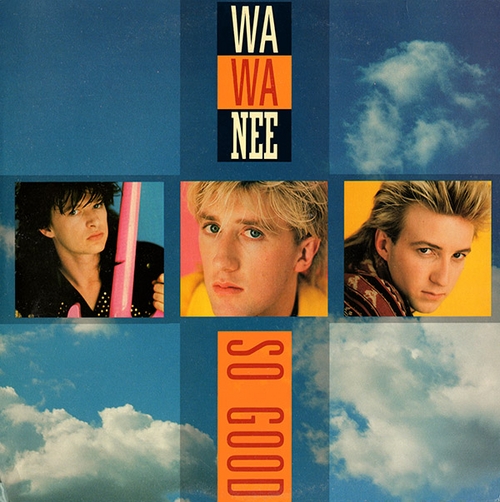
Tracklist: 01.Wa Wa Nee - So Good (Umbrella Of Love Mix) (6:37) 02.Wa Wa Nee - So Good (Mixus Minimus) (4:03) 03.Wa Wa Nee - So Good (Hydro-House Mix) (4:08) 04.Wa Wa Nee - So Good (Goddess Of Love Mix) (5:57) "So Good" is a song from Australian pop group Wa Wa Nee. The song was released in February 1989 as the second single from their second studio album, Blush (1989). The song peaked at number 36 on the Australian ARIA Charts. To the best of my knowledge all of the mixes contained on this 12" are vinyl-only.
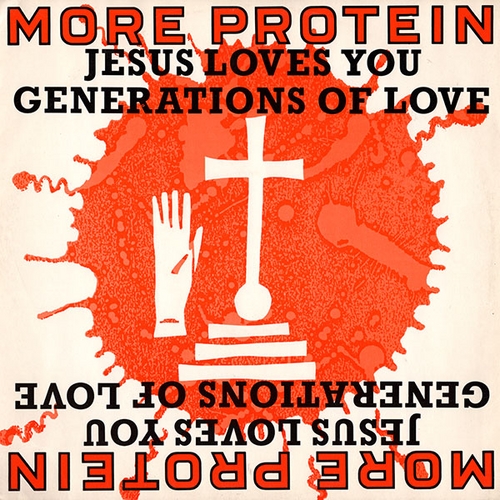
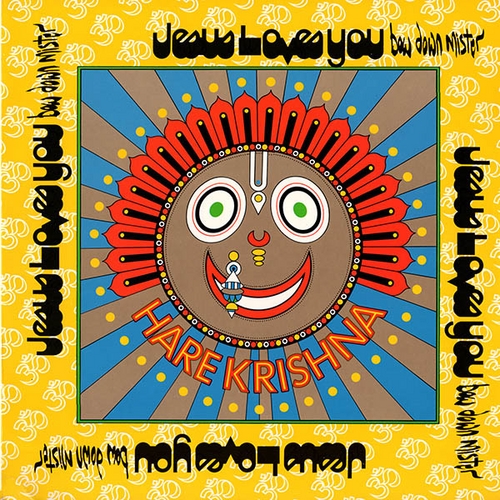
Tracklist: 01.Jesus Loves You - Generations Of Love (Land Of OZ 12" Mix) (7:12) 02.Jesus Loves You - Generations Of Love (Future Dub) (5:32) "Generations of Love" is a song by British band Jesus Loves You, founded by singer Boy George, and was released as the second single from their only album, The Martyr Mantras (1990). The song also features raggamuffin toaster MC Kinky and received favorable reviews from most music critics; both Melody Maker and NME named it Single of the Week. It made the UK Singles Chart in two versions; the "Land of Oz Mix" which peaked at number 80 in 1990 and the "La La Gone Gaga Mix" which peaked at number 35 in 1991. The 1990 version also peaked at number 11 on the US Billboard Hot Dance Club Play chart, while the 1991 version peaked within the top 20 in the Netherlands and the top 30 in Austria and Belgium. Its music video was directed by Baillie Walsh. British electronic dance and clubbing magazine Mixmag ranked "Generations of Love" number 100 in its "100 Greatest Dance Singles Of All Time" list in 1996, noting that "the gently rolling flamenco guitars and warm Mediterranean vocals saw dance floors turn to slush in its wake." The accompanying music video for "Generations of Love" was directed by British music video and film director Baillie Walsh. An uncensored 7-minute short movie named "Generations of Love" was also made by the band. It features Boy George, Talullah and Leigh Bowery. The film was shot in and around Soho, London, and was produced to promote the single. The short film gives an intriguing snapshot into London’s Soho nightlife during 1990 (still hungover from the late-1980s) by way of capturing the bustling local outdoor streets, and the inside of long-gone amusement arcades and porn cinemas. Talullah, in a wig, plays the role of a straight office-type punter, looking for a quick trick, who ends up pulling a transvestite hooker. They visit a Soho dark porn cinema, where business is dealt. Boy George appears in the film briefly in drag and as himself. The movie has a classic early Andy Warholesque feel to it.
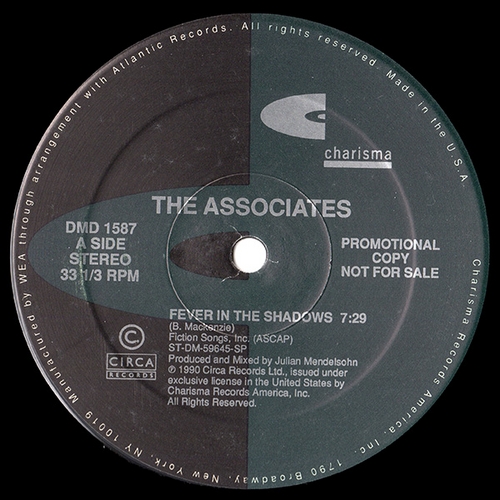
Tracklist: 01.The Associates - Fever In The Shadows (7:30) 02.The Associates - Fever (4:49) 03.The Associates - Something's Got To Give (4:40) "Fever" was the first single taken from the fifth studio LP "Wild And Lonely" by Scottish synth-pop act The Associates the album was the fourth to be realesed during lead vocalist Billy MacKenzie's lifetime. The album, and single was produced by Australian record producer Julian Mendelsohn. "Fever" peaked at #81 on the UK Top 40 singles chart respectively. The LP Wild and Lonely was the last album MacKenzie recorded under the name The Associates, as from this point his releases would go out under his own name.
Tracklist: 01.Jesus Loves You - Bow Down Mister (Sitari Bizzari Mix) (6:26) 02.Jesus Loves You - Bow Down Mister (Floating In The Ganges - Grid Mix) (7:05) "Bow Down Mister" is a song written by English singer Boy George, under the pseudonym "Angela Dust", and recorded by his first musical group following his departure from Culture Club, Jesus Loves You. Inspired by a trip George took to India, the song is a tribute to the Hare Krishna movement and incorporates the Hare Krishna mantra. Indian singer Asha Bhosle performs the female vocals on the song but is uncredited on the single release. "Bow Down Mister" was released on 11 February 1991 as the fourth single from the project's only studio album, The Martyr Mantras (1991). It reached number 27 on the UK Singles Chart and became a bigger hit in several mainland European countries, especially in Austria and Germany, where the song reached the top 10. Boy George wrote "Bow Down Mister" shortly after taking a trip to India. George was intrigued that the song was perceived as radical to the public, as this was not his intention; however, he went on to explain, "That is unless you consider a song that encourages love instead of hate as being radical. I am continually amazed at how, with all of the knowledge we have as humans, we continue to be so small-minded." The track was written as an ode to the Hare Krishna movement, a Hindu religious organisation whose members dedicate their thoughts and actions to the Hindu deity Krishna, and the song recites the Hare Krishna mantra several times during the bridge. Indian playback singer Asha Bhosle is featured as the female vocalist on the recording. During an interview, Bhosle stated that "Bow Down Mister" was the best song she had contributed to and that she continues to cherish it. On the UK Singles Chart, "Bow Down Mister" debuted at number 69 on 17 February 1991, taking a total of five weeks to peak at number 27 on 17 March 1991. It spent three more weeks in the top 100 before dropping out in early April. The same month, the track appeared on the French Singles Chart at number 41, rising to a peak of number 29 on two occasions and spending 13 weeks on the chart. In late May, the single entered the Austrian and German Singles Chart. In Austria, it rose to number two and totalled 22 weeks in the top 30, ending 1991 as the country's 10th-highest-selling single. Meanwhile, in Germany, it peaked at number six for two weeks, logged 27 weeks in the top 100, and finished the year at number 17 on Germany's year-end chart. In Switzerland, it reached number 15, while in the Flanders region of Belgium, it debuted at its peak of number 44. On the Eurochart Hot 100, "Bow Down Mister" rose to number 20 in August 1991 and was ranked Europe's 73rd-best-performing hit of the year. The single was not released in the U.S. or Canada.
Tracklist: 01.OMD - Pandora's Box (It's A Long, Long Way) (Diesel Fingers Mix) (6:10) 02.OMD - Pandora's Box (It's A Long, Long Way) (Abstract Mix) (6:35) 03.OMD - Pandora's Box (It's A Long, Long Way) (Constant Pressure 12") (4:39) 04.OMD - Pandora's Box (It's A Long, Long Way) (Prize Of Beauty Mix) (5:35) 05.OMD - Sugar Tax (4:05) "Pandora's Box" (subtitled "It's a Long, Long Way" for the US release) is a song by English electronic band Orchestral Manoeuvres in the Dark (OMD), released by Virgin on 24 June 1991 as the second single from their eighth studio album, Sugar Tax (1991). The song, which deals with the less glamorous side of celebrity, was inspired by silent film actress Louise Brooks and is named after the 1929 film Pandora's Box in which she starred. The single was a top-10 hit in the United Kingdom and throughout Europe. In the United States the song was a top-twenty dance hit reaching #11 on the Billboard Dance Chart. Andy McCluskey wrote "Pandora's Box" about the silent film actress Louise Brooks. He told the Edinburgh Evening News in 1991, "I've been fascinated by her for eight or nine years now. The more I learned the more fascinated I became. [She's] absolutely the sort of woman you'd fall in love with on first sight and absolutely the sort of person that you desperately shouldn't go anywhere near. The music video for "Pandora's Box" is in black and white and features Louise Brooks and singer Andy McCluskey. According to the video intro, all of the scenes of Brooks in the video are from the original 1929 film.
Tracklist: 01.Pet Shop Boys - Jealousy (Extended Mix) (7:56) 02.Pet Shop Boys - Losing My Mind (Disco Mix) (6:08) "Jealousy" is a song originally written in 1982 by English synth-pop duo Pet Shop Boys, recorded for their fourth studio album, Behaviour (1990). It was released on 27 May 1991 as the album's fourth and final single. The song reached #12 on the UK singles chart. Neil Tennant states that "Jealousy" is the first proper song ever composed by the duo. Chris Lowe composed the melody at the piano in his parents' home and, as he felt it should be a ballad, asked Tennant to write an intense-sounding lyric. Tennant complied by writing a lyric about the simplest form of jealousy: infidelity suspicions aroused by someone's indifferent or disrespectful attitudes towards another person's feelings (such as making his/her partner wait all night for a phone call which never comes). The song was then left off three albums because the duo were waiting for legendary film composer Ennio Morricone to agree to score the orchestral arrangement for the song. Morricone's answer never came, and Harold Faltermeyer ended up doing the arrangement for the song's release on Behaviour. The album version, coming at the end of Behaviour, closed off the album with a sampler-based orchestral outro. The single version is slightly remixed, and uses a real orchestra instead during the outro. The extended version of the single version lengthens the outro while adding an orchestral intro as well; in addition, Neil Tennant recites a quote from William Shakespeare's Othello (Act III, Scene III) over both sequences: Not poppy, nor mandragora,
Nor all the drowsy syrups of the world,
Shall ever medicine thee to that sweet sleep
Which thou owedst yesterday. The B-side "Losing My Mind", taken from the Stephen Sondheim musical Follies, was based on a demo originally recorded as a proposal for the Liza Minnelli album Results. Its release here follows the releases of Minnelli's version on both Results and as the lead single from the album. As with the A-side, "Losing My Mind" was released in an extended mix (the "Disco mix") on the 12-inch single which was recorded in 1988-89.
Tracklist: 01.Pet Shop Boys - Where The Streets Have No Name (I Can't Take My Eyes Off You) (7" Edit) (4:32) 02.Pet Shop Boys - How Can You Expect To Be Taken Seriously? (4:09) "Where the Streets Have No Name (I Can't Take My Eyes Off You)" is a song by English synth-pop duo Pet Shop Boys. The song is a medley of U2's "Where the Streets Have No Name" and "Can't Take My Eyes Off You", a 1967 song by Frankie Valli, though in an arrangement informed by the 1982 disco version of the song by the Boys Town Gang rather than the original. The song accompanied "How Can You Expect to Be Taken Seriously?", the third single from their fourth studio album, Behaviour (1990), as a double A-side in the United Kingdom (both singles were released separately in the United States). Released in March 1991 by Parlophone, the song became the duo's 15th consecutive top-20 entry in the UK, peaking at number four on the UK Singles Chart. The single's other A-side, "How Can You Expect to Be Taken Seriously?", criticises the insincere humanitarian messages of a number of pop stars during the 1980s and the institutionalization of rock and roll. The band noted that "one song is about rock stars so to have a U2 song with it serves as a further comment." Also of note the version of "How Can You Expect to Be Taken Seriously?" is actually the "7" Perfect Attitude Mix" but not the same version that appeared on the U.S. CD Single this version is also used for the music video containing the "Gotta Have Fun" samples this mix only appears on the UK 7" single, and the video. The mix title does not appear on the sleeve or record label.
Tracklist: 01.Lulu - Independence (CJ Mackintosh Club Mix) (7:51) 02.Lulu - Independence (Mackapella Mix) (6:06) 03.Lulu - Independence (CJ Mackintosh Radio Mix) (3:59) 04.Lulu - Independence (Brothers In Rhythm Club Mix) (6:45) 05.Lulu - Independence (Tony Humphries Free Dub Mix) (9:48) "Independence" is a song recorded by Scottish singer and songwriter Lulu. It was released in 1993 by Dome, Parlophone and SBK as the first single from her eleventh album of the same name (1993), and was by many seen as the singer's comeback, after not releasing new material since 1982. The song was written by Leon Ware and Winston Sela, and produced by Cary Baylis, Eliot Kennedy and Mike Ward. It became a hit in both Europe and the US, peaking at number 11 on the UK Singles Chart, number 34 on the Eurochart Hot 100 and number three on the US Billboard Hot Dance Club Play chart. The song received remixes by Brothers In Rhythm, C.J. Mackintosh and Tony Humphries, and a music video was also produced to promote the single. "Independence" was a notable hit for Lulu and by many seen as her comeback in the 90s. The song reached its highest chart position as number three on the US Billboard Hot Dance Club Play chart. In Europe, the single entered the top 20 in the UK, peaking at number 11 on the UK Singles Chart on 30 January 1993, in its second week on the chart, just barely missing the top 10. Having debuted at number 14 the week before, the song then dropped to number 14 and 29 the following weeks, before leaving the UK Top 40. On both the Music Week Dance Singles chart and the Record Mirror Club Chart, "Independence" however managed to enter the top 10, peaking at number nine. In Ireland, it peaked at number 21, as well as on the European Dance Radio Chart, where it peaked in March 1993. On the Eurochart Hot 100, the song reached its highest chart position as number 34 in February, in its second week on the chart. It debuted at number 52 on 6 February after charting in the UK. Larry Flick from Billboard called it a "delicious pop/house anthem", noting that "she offers an assured vocal amid rousing mixes that will slam during mainstream peak-hour sets." He also stated that Lulu is in "excellent voice on a disco-minded house jam. Anthemic tune has a sing-along chorus that will stick in the heads of club and radio folks upon impact. Could be the first step in Lulu's carefully planned return to pop prominence."
Tracklist: 01.Blur - Girls & Boys (PSB 12" Mix) (7:15) 02.Blur - Girls & Boys (Album Version) (4:18) 03.Blur - Girls & Boys (PSB 7" Mix) (4:04) "Girls & Boys" is a song by English rock band Blur, released in March 1994 by Food Records as the lead single from the group's third studio album, Parklife (1994). The frontman of Blur, Damon Albarn wrote the song's lyrics with bandmembers Graham Coxon, Alex James and Dave Rowntree, while Stephen Street produced it. Charting at number five on the UK Singles Chart, "Girls & Boys" was Blur's first top-five hit and their most successful single until "Country House" reached number one the following year. In the United States, the track reached number 59 on the US Billboard Hot 100 chart and number four on the Billboard Modern Rock Tracks chart. Kevin Godley produced the music video for the song. "Girls & Boys" was named single of the year by NME and Melody Maker and was nominated for best song at the MTV Europe Music Awards. Damon Albarn was inspired to write the song while on holiday in Magaluf, Spain, with then-girlfriend Justine Frischmann, lead singer of Elastica. According to Albarn, the city had "really tacky Essex nightclubs" and a rampant sexual scene among visitors, with "All these blokes and all these girls meeting at the watering hole and then just copulating. There's no morality involved, I'm not saying it should or shouldn't happen." The music has a convergence of various pop and dance styles, summed up by bassist Alex James as "Disco drums, nasty guitars and Duran Duran bass." Drummer Dave Rowntree admitted that he is not playing on the track, being replaced by a drum machine he programmed. He said it was his favourite song on Blur: The Best Of (2000) because he "isn't really in it. It's cool not being in your own song." The vocals were recorded with a demo featuring only the keyboards. This song is written in the key of G minor. Pet Shop Boys, provided a remix of the track for the single release. The accompanying music video for "Girls & Boys" was directed by English singer, songwriter, musician and music video director Kevin Godley. It features Blur performing the song against a bluescreen backdrop of documentary footage of people on Club 18-30 package holidays. Godley branded the video as "Page 3 rubbish", while Blur found it "perfect". The front cover of the single was taken from a pack of Durex condoms.
Tracklist: 01.Donna Summer - Melody Of Love (Wanna Be Loved) (Classic Club Mix) (8:03) 02.Donna Summer - Melody Of Love (Wanna Be Loved) (Boss Mix) (6:57) 03.Donna Summer - Melody Of Love (Wanna Be Loved) (Épris Mix) (8:33) 04.Donna Summer - Melody Of Love (Wanna Be Loved) (Mijangos Powertools Trip #1) (5:55) "Melody of Love (Wanna Be Loved)" is a song by American singer and songwriter Donna Summer. It was released on October 31, 1994 by Mercury Records and Casablanca Records as a new track and the lead single for her 1994 hits compilation album, Endless Summer: Donna Summer's Greatest Hits. The song was written by Summer, David Cole, Robert Clivillés and Joe Carrano, and produced by Summer and Welcome Productions. It just missed the top 20 in the United Kingdom and was a top-40 hit in Belgium. The song was formed with several remixes and was her tenth number one hit on the US Billboard Hot Dance Club Songs chart. In Australia, the single peaked at number 79 in December 1994. It was awarded the ASCAP Dance Song of the Year prize in 1996.
Tracklist: 01.International Chrysis - Rebel Rebel (The Hole Mix) (6:34) 02.International Chrysis - Rebel Rebel (The Safe Hands Remix) (5:23) 03.International Chrysis - The Right Stuff (4:07) "Rebel Rebel" is a song written and originally recorded by English singer-songwriter David Bowie in 1974. In 1994 English duo Dead Or Alive covered the song under the short-lived moniker International Chrysis who's name was taken from the stage name of American transgender entertainer and protégé of Salvador Dalí. International Chrysis was an attempt to create a new identity for themselves, Pete Burns and Steve Coy re-formed their band and released one single as International Chrysis on Stock, Aitken and Waterman's PWL label. The single reached #76 in the UK, and #97 in Australia in the United States the single was not released but did recieve considerable club play. "Rebel Rebel" would later be included in the album "Nukleopatra" (1995). International Chrysis had planned to release a full album but Complications with the label forced them to leave PWL with no distributer in the UK for what would become the album "Nukleopatra" once again under the name Dead Or Alive.
wodaji
DMMANIAC,
DMMANIAC
Заменено 6 релизов
Tracklist: 01.Glass Tiger - Don’t Forget Me (When I’m Gone) (Extended Version) (6:31) 02.Glass Tiger - Don’t Forget Me (When I’m Gone) (Death Mix) (5:51) I originally shared this record on July 17, 2017, but for those who may have missed it, I’ve revisited it with a fresh, meticulously updated transfer. This time, I used upgraded audio gear that wasn’t available to me during the original transfer back in 2017. Canadian rock band Glass Tiger made waves in January 1986 with the release of their hit single “Don’t Forget Me (When I’m Gone),” the lead track from their debut album, The Thin Red Line. Featuring backing vocals by iconic rock singer Bryan Adams, the song became a chart-topping success, reaching number one in Canada and peaking at number two in the United States. In 1985, Glass Tiger enlisted Jim Vallance to produce their debut album. At the time, Vallance was primarily known as a prolific songwriter, often collaborating with Bryan Adams, though he had also produced albums for Doug and the Slugs, CANO, and Adams himself. According to Glass Tiger’s lead vocalist Alan Frew, Vallance’s approach to production allowed the band to explore their creative sound while providing guidance when necessary. “It worked out great because we were all at the same stage of development,” Frew recalled. “He didn’t change the sound of the band at all. He let us experiment but wasn’t afraid to get heavy-handed when he had to.” Vallance collaborated with the band to compose “Don’t Forget Me (When I’m Gone),” while Adams lent his distinct voice to the backing vocals. The song’s creation was inspired by an ice-breaking moment during the band’s first meeting with Vallance. Frew shared: “On the very first day that we met Jim Vallance, he picked us up at the airport and, to break the ice, asked us what we were listening to. One of the answers was Tears for Fears. We went to his house and drank tea while listening to some tunes. ‘Everybody Wants to Rule the World’ came on, and we really liked the shuffle beat. So we went into the studio and, based on that shuffle beat, we wrote ‘Don’t Forget Me (When I’m Gone).’ First day, first song.” “Don’t Forget Me (When I’m Gone)” enjoyed tremendous commercial success. The track topped the Canadian Singles Chart in March 1986, spending two weeks at number one, and earned platinum certification from the Canadian Recording Industry Association by July. In the United States, the single entered the Billboard Hot 100 in July and peaked at number two in October, held back from the top spot by Janet Jackson’s “When I Think of You.” It spent an impressive 24 weeks on the chart, reaching number one on the Singles Sales chart, number six on the Hot 100 Airplay chart, number 17 on the Mainstream Rock chart, and number 30 on the Adult Contemporary chart. The song also placed at number 34 on the Billboard Year-End singles chart of 1986. Internationally, it achieved top 15 status in Australia and charted in New Zealand, the United Kingdom, and the Netherlands. Frew attributed the song’s global appeal to the band’s ability to create strong, memorable melodies. “We aren’t rewriting musical history by any means,” he explained, “but our melody lines are strong and mature enough to appeal to the English-speaking world.” The song’s success was bolstered by “solid record company involvement” and culminated in winning the 1986 Juno Award for Single of the Year. It was also named the top Canadian single in the Rock Express magazine readers’ poll awards in 1987. A decade later, the Society of Composers, Authors, and Music Publishers of Canada (SOCAN) recognized the track for being played more than 100,000 times on Canadian radio. For fans of rare cuts, the “Death Mix” of “Don’t Forget Me (When I’m Gone)” remains a vinyl-only treasure, absent from the deluxe CD reissue of The Thin Red Line. This exclusive version adds an intriguing layer to the legacy of a song that defined Glass Tiger’s debut and continues to resonate with audiences decades later.
Tracklist: 01.Charlie Sexton - In Deep (Extended Version) (5:48) 02.Charlie Sexton - In Deep (Single Version) (4:18) 03.Charlie Sexton - In Deep (Dub Version) (4:25) A Lost Gem from a Guitar Virtuoso Charlie Sexton is a name that resonates with fans of rock, blues, and new wave, known for his exceptional guitar work and smooth vocals. While many may immediately think of his breakout 1985 hit "Beat's So Lonely," his lesser-known track "In Deep" showcases a different side of his artistry. "In Deep" was featured on the Beverly Hills Cop II soundtrack (1987), a collection of songs that complemented the high-energy action film. Produced by Keith Forsey, the track captures the sleek, polished sound of the era, blending Sexton's blues-rock sensibilities with a cinematic edge. The song also benefited from remixes by the legendary Shep Pettibone, adding a dance-friendly appeal to its atmospheric production. However, no music video was shot for the single, and the remixes remain exclusive to vinyl releases. The track stands out for its emotive vocal delivery, haunting guitar work, and infectious melody. While it may not have been a chart-topping hit, it remains a hidden gem in Sexton's discography, demonstrating his versatility as a musician and performer. Though Charlie Sexton would later become known for his work with Bob Dylan as a longtime guitarist in Dylan’s touring band, songs like "In Deep" highlight his depth as a solo artist. This track is worth revisiting for fans of late-'80s rock and those who appreciate skilled musicianship with heartfelt songwriting.
Tracklist: 01.George Michael - Monkey (Extended Version) (8:07) 02.George Michael - Monkey (Acapella) (3:44) 03.George Michael - Monkey (Extra Beats) (3:43) "Monkey" is a hit single by George Michael from his debut solo album, Faith (1987). Released as the album's fourth single in 1988, the song became a major success, reaching #1 on the Billboard Hot 100 in the United States. The track showcases a funky, dance-oriented style, blending elements of pop and R&B, and was co-produced by George Michael and Jimmy Jam & Terry Lewis. The lyrics reflect themes of addiction and unhealthy relationships, with Michael imploring someone to choose between him and their "monkey"—a metaphor for a habit or dependency. Its infectious beat, layered production, and cutting-edge remixes, including the popular Jam & Lewis remix, contributed to its club appeal and chart-topping performance. "Monkey" also stands out for its music video, directed by Andy Morahan, featuring energetic visuals, including Michael performing alongside dancers and showcasing his signature style during the Faith era. It remains a fan favorite and a testament to Michael's versatility as an artist. The remixes of "Monkey" played a significant role in its popularity, especially in the U.S. club scene. Jimmy Jam and Terry Lewis, renowned producers known for their work with artists like Janet Jackson, created a special remix for the single release. This version amplified the track's funky, percussive energy, enhancing its appeal on dance floors and radio stations alike. The remix was so impactful that it became the definitive version of the song played on U.S. radio. In terms of chart performance, "Monkey" achieved significant success globally. While it became George Michael's eighth #1 hit on the Billboard Hot 100, it also fared well on the Billboard Dance Club Songs chart. Internationally, it charted within the top 10 in countries like Canada and Ireland, though it performed more modestly in the UK, peaking at #13 on the UK Singles Chart. The single's success cemented Michael's reputation as one of the 1980s' most versatile pop icons, capable of delivering everything from heartfelt ballads to irresistible dance tracks. "Monkey" also contributed to the massive commercial success of *Faith*, which won the Grammy for Album of the Year in 1989.
Tracklist: 01.Olivia Newton-John - The Rumour (12" Extended Mix) (6:42) 02.Olivia Newton-John - The Rumour (7" Mix) (4:00) 03.Olivia Newton-John - The Rumour (12" Dub) (4:14) 04.Olivia Newton-John - The Rumour (Instrumental) (4:00) Released in August 1988, "The Rumour" was the lead single and title track from Olivia Newton-John’s thirteenth studio album. Known for her wholesome image and soft pop hits, Olivia took a more mature and socially conscious turn on this record—addressing themes like tabloid gossip, environmental issues, and global awareness, all wrapped in polished late-'80s pop production. Co-written by Elton John and Bernie Taupin, "The Rumour" has an energetic bounce, driven by bright synths, a punchy rhythm section, and a hook that sticks. Elton didn’t just write the song—he also played piano and contributed backing vocals, adding an unmistakable touch of his signature flair to the track. A stylish music video was filmed to promote the single, directed by Brian Grant (known for his work with artists like Whitney Houston and Duran Duran). The video featured slick, upbeat choreography by none other than Kenny Ortega, adding a vibrant visual energy that matched the song’s pop sophistication. The track was also remixed for clubs by the legendary Shep Pettibone, who amped up the dancefloor appeal with extended instrumental breaks and a slick, late-'80s groove. Thanks to Shep’s remix, "The Rumour" found a second life on the dancefloor—peaking at #17 on the U.S. Billboard Dance Club Songs chart, even if it only reached #62 on the Hot 100. The 12″ version featured here includes Shep’s extended mix, which stretches out the shimmer and lets the groove breathe—Olivia never quite sounded like this before or since. It's a sleek, underappreciated gem that showcases her versatility and willingness to evolve her sound. Despite not being a huge commercial smash, "The Rumour" marks a fascinating era in Olivia’s career—one where she wasn’t afraid to experiment, speak her mind, and team up with pop royalty to craft something unique. This one’s for the fans who remember when pop stars weren’t afraid to push boundaries—and still made it sound this good.
Tracklist: 01.S-Express - Theme From S-Express (12'' U.S.A. Mix) (5:57) 02.S-Express - Theme From S-Express (7'' U.S.A. Mix) (3:56) 03.S-Express - The Trip (Microdot House Mix) (5:40) "Theme from S-Express" is a defining track in the acid house genre, showcasing the innovative sampling techniques of the late 1980s. Released by S'Express, the song features a catchy blend of samples, particularly drawing from Rose Royce's "Is It Love You're After" and TZ's "I Got the Hots for You." The use of the hi-hat from an aerosol spray adds a unique touch. The title references the 42nd Street Shuttle in New York City, linking the song to urban culture. While it achieved significant success in the UK, hitting number one for two weeks, its performance in the US was more modest, peaking at number 91 on the Billboard Hot 100 but reaching the top of the Hot Dance Club Play chart. The track also made an impact internationally, ranking well in Australia and West Germany. Its influence remains evident in the dance music scene today. n the U.S.A. versions, an unnamed vocalists provided replacements for some of the vocal samples ("Uno, dos, uno dos tres quatro!", "No, that's good!", and scream for daddy near the end that turned into "scream for mommy".)
Tracklist: 01.Prince - Batdance (The Bat Mix) (7:16) 02.Prince - Batdance (The Bat Mix Radio Edit) (4:10) 03.Prince - Batdance (Vicki Vale Mix) (5:57) 04.Prince - Batdance (Vicki Vale Mix Radio Edit) (4:15) "Batdance" is a fascinating blend of musical innovation and pop culture, showcasing Prince's ability to fuse different elements into a cohesive track. Released in 1989 as part of the *Batman* soundtrack, it became a significant hit, reaching number one in the U.S. and marking Prince's return to the top of the charts after several years. The last-minute decision to replace "Dance with the Devil" highlights Prince's instinct to prioritize the song's tone, opting for something more upbeat and energetic. The song's structure is unique, with its dynamic shifts between chaotic beats and funk, which reflects the duality of the Batman character itself. Incorporating snippets from various unreleased tracks and even the classic 1966 "Batman Theme," "Batdance" serves as a rich tapestry of Prince's musical ideas. The use of film dialogue adds an immersive layer, connecting the song directly to the movie's narrative. The U.S. 12" promo's exclusive radio edits further emphasize Prince's meticulous approach to his music, catering to different formats while maintaining the essence of the track. Overall, "Batdance" not only captured the zeitgeist of its time but also solidified Prince's status as a versatile and visionary artist.
Добавлено 39 релизов
Tracklist: 01.Arcadia - The Promise (Extended Remix) (7:06) 02.Arcadia - Rose Arcana (Extended Mix) (5:35) 03.Arcadia - The Promise (7" Mix) (4:50) "The Promise" was the third single released by Arcadia, the Duran Duran offshoot band. Issued by Parlophone in 1986 as their second UK single, it reached number 37 on the UK Singles Chart. The track features uncredited backing vocals from Sting. During Arcadia’s recording sessions for "So Red the Rose" in Paris, the band attended a Sting concert and decided to invite him to contribute to their album. They were particularly intrigued by the vocal chemistry between Sting and lead singer Simon Le Bon, first heard on Band Aid’s “Do They Know It’s Christmas?” Sting graciously accepted, resulting in a collaboration that became one of the group’s favorite moments on the record. Enhancing the track further, Pink Floyd’s David Gilmour delivered expressive guitar work that added a haunting and ethereal quality, especially in its climactic sections. The single version of "The Promise" was trimmed significantly from the album’s original 7:28 runtime to a more radio-friendly 4:50. Even the "extended remix," produced by Alex Sadkin and Ron Saint Germain, ran slightly shorter than the album cut, clocking in at 7:05. The B-side of the single featured an extended mix of the album track "Rose Arcana." While "So Red the Rose" didn’t reach the commercial success of Duran Duran’s biggest albums, it earned critical praise and has since developed a devoted fanbase. "The Promise" stands out as a highlight, celebrated for its ambitious artistry and the rare collaboration of such iconic talents. For fans of Duran Duran and 1980s art-rock, the song remains an underrated gem and a testament to the creative freedom Arcadia embraced during this transitional period in their careers. Although Roger Taylor, the drummer for Arcadia, appeared in only a few promotional photos and the music video for Election Day, his primary focus was on the recording side of the project. Taylor also contributed percussion to The Power Station, another Duran Duran offshoot.
Tracklist: 01.Desireless - Voyage Voyage (Extended Remix) (6:50) 02.Desireless - Voyage Voyage (4:22) "Voyage, Voyage" is a 1986 synth-pop anthem by French singer Desireless (real name Claudie Fritsch-Mentrop). Released as the lead single from her debut album François (1989), the song became an international hit, topping the charts across Europe and beyond.
Tracklist: 01.Eurythmics - Thorn In My Side (Extended Mix) (6:57) 02.Eurythmics - Thorn In My Side (Album Version) (4:15) 03.Eurythmics - In This Town (3:45) Today’s feature takes us back to 1986 with one of Eurythmics' most defiant and infectious singles—"Thorn In My Side." Pulled from their sixth studio album Revenge, this track showcases the duo’s pivot from icy synths toward a more guitar-driven, rock-infused sound, without losing an ounce of their signature edge. Released in August 1986, "Thorn In My Side" was a UK smash, reaching #5 on the Singles Chart. While it didn’t make as big of a splash stateside (peaking at #68 on the Billboard Hot 100), it became a staple of Eurythmics' live setlists and remains a fan favorite for its blistering lyrics and triumphant tone. This isn't a heartbreak song—it's a take-your-power-back anthem. Annie Lennox delivers a vocal performance that walks the line between controlled disdain and cool detachment, spitting lines like:
“You gave me such a bad time / Tried to hurt me, but now I know…”
Backed by Dave Stewart’s guitar and slick production, it’s pure Eurythmics: sharp, stylish, and unafraid. The Extended Mix on this UK 12" vinyl release opens things up with an expanded intro and instrumental passages, giving the track more groove and weight—perfect for the dancefloor or just a dramatic solo strut across your apartment. On the B-side, we get the live recording of “In This Town”. It’s a muscular, politically tinged performance that captures the raw, charged energy of the band at their mid-’80s peak. Thorn In My Side" endures not just as a great single, but as a statement of resilience. A glittering middle finger to heartbreak, dressed up in hooks and eyeliner. Now—a quick collector’s note for the completists out there:
Yes, I am aware of the sought-after “Houston Mix” of “Thorn In My Side.” It’s an ultra-rare pressing that’s reportedly identical to this standard UK 12" mix, with one crucial difference: the run-out groove etching reads DAT 8 A1 rather than the common DAT 8 A3 —and that’s the only known distinguishing mark. I’ve never personally come across a copy, and believe me, I’ve looked. If I ever do get my hands on one, you better believe I’ll post it here.
Tracklist: 01.Gwen Guthrie - Ain't Nothin' Goin' On But The Rent (12'' Club Mix) (7:16) 02.Gwen Guthrie - Ain't Nothin' Goin' On But The Rent (Dub Mix) (7:43) 03.Gwen Guthrie - Ain't Nothin' Goin' On But The Rent (Larry Levan 12'' Club Mix) (5:59) 04.Gwen Guthrie - Ain't Nothin' Goin' On But The Rent (Larry Levan Dub Mix) (7:04) Ain’t Nothin’ Goin’ On but the Rent is a song by American singer-songwriter Gwen Guthrie, released in 1986 as the lead single from her fourth studio album, Good to Go Lover. Written and produced by Guthrie herself, the song became the biggest hit of her career, delivering a bold message of financial independence and self-worth wrapped in an irresistibly funky groove. Blending smooth R&B, dancefloor-ready beats, and assertive lyrics, Ain’t Nothin’ Goin’ On but the Rent set clear expectations for financial responsibility in relationships. With its unforgettable hook—“You got to have a J-O-B if you wanna be with me”—the track quickly became an anthem of empowerment, particularly resonating with women in the workforce during the mid-'80s.
Tracklist: 01.Lou Reed - The Original Wrapper (Extended Version) (7:55) 02.Lou Reed - The Original Wrapper (Remix Single Version) (4:46) 03.Lou Reed - The Original Wrapper (Dub Version) (6:24) 04.Lou Reed - Video Violence (Remix Version) (4:45) "The Original Wrapper" is a song by Lou Reed from his 1986 album *Mistrial*. The track is notable for its blend of rock and rap, with Reed delivering the lyrics in a style resembling spoken word or rap. The title of the song is a play on words, referencing the concept of being "original" while also sounding like "rapper." Lyrically, the song reflects Reed's signature wit and social commentary, touching on consumer culture and the idea of staying true to oneself amid external pressures. Though not one of his biggest hits, "The Original Wrapper" stands out for its experimentation with different genres and its commentary on authenticity. The song's video was also in heavy rotation on MTV at the time, showing Reed’s continuing influence on the 80s music scene. It was nominated for Best Editing at the 1987 MTV Video Music Awards.
Tracklist: 01.Spandau Ballet - Fight For Ourselves (Extended Remix) (7:30) 02.Spandau Ballet - Fight For Ourselves (4:22) 03.Spandau Ballet - Fight ... The Heartache (4:12) "Fight for Ourselves" is a song by English new wave band Spandau Ballet, released as the lead single from their 1986 album Through the Barricades. In the UK, the track reached number 15 on the Singles Chart, but it was met with largely negative reviews.
Tracklist: 01.The Art Of Noise with Max Headroom - Paranoimia (Extended Version) (6:42) 02.The Art Of Noise with Max Headroom - Paranoimia (3:18) 03.The Art Of Noise with Max Headroom - Why Me? (2:56) 04.The Art Of Noise with Max Headroom - A Nation Rejects (2:58) In the mid-1980s, when electronic music was evolving as both an art form and a playground for avant-garde experimentation, The Art of Noise stood at the forefront. Their 1986 single “Paranoimia”, featuring the glitchy charm of TV’s first virtual VJ Max Headroom, remains one of their most iconic and unconventional releases. Originally an instrumental track on the group’s second studio album In Visible Silence, “Paranoimia” was reimagined and released as a standalone single featuring Max Headroom—played by Canadian actor Matt Frewer. The result was a bizarre, brilliant fusion of synthesized paranoia and late-night hallucination, narrated by a snarky, stuttering digital character who had already become a symbol of media overload and artificial intelligence satire. The single version of “Paranoimia” kicks off with Max lamenting his inability to sleep. “I lie awake, tossing and turning,” he says in his signature electronic stammer, diving into a surreal monologue about dreams, nightmares, and subconscious fears. The Art of Noise’s soundbed—filled with clanging samples, synthetic textures, and abstract rhythms—complements Max’s ramblings perfectly, creating an atmosphere that’s both hypnotic and unsettling. What makes this track especially memorable is its ability to straddle the line between novelty and innovation. While Max Headroom may have added a comedic, pop-culture edge, the song’s production is pure Art of Noise—meticulous, layered, and sonically adventurous. The 12" extended remix stretches the experience even further, giving Max more room to monologue and the music more space to evolve. “Paranoimia” was a commercial success, reaching #12 on the UK Singles Chart and becoming a favorite in clubs and on college radio. It remains a snapshot of a time when music, television, and technology were converging in weird and wonderful ways. For fans of synth-pop, audio collage, and ‘80s media satire, “Paranoimia” isn’t just a song—it’s a mood. A brilliantly warped time capsule that still feels oddly relevant in our age of digital overload and sleepless scrolling.
Tracklist: 01.Vicious Pink - Take Me Now (Extended Version) (6:21) 02.Vicious Pink - I Confess (3:57) 03.Vicious Pink - Always Hoping (3:55) Released in January 1986, “Take Me Now” marked the final single from the provocative Leeds-based synth-pop duo Vicious Pink. Comprised of Josephine Warden and Brian Moss, the pair had built a cult following throughout the early '80s with their bold, sensual lyrics and pulsing electronic beats. “Take Me Now” carried forward their signature style but with a more polished, mainstream-friendly sound, reflecting the shifting landscape of mid-’80s synth-pop. The track was written by John David, a songwriter best known for his work with artists like Status Quo and Cliff Richard. It was produced by Gary Moberley, an Australian keyboardist and producer whose sleek, radio-ready touch gave the song a glossy sheen, contrasting with the rawer edge of the duo’s earlier tracks like “Cccan’t You See” or “Fetish.” “Take Me Now” layers icy synth textures with Warden’s sultry vocals, conveying urgency and desire with the kind of restraint that made Vicious Pink so intriguing. The song didn’t chart significantly, but it remains a hidden gem of the era—an elegant swan song that closed the Vicious Pink chapter on a sophisticated note. The 12" single, released on Parlophone, featured an extended version along with two additional tracks: the hidden gem "I Confess" and "Always Hoping", both of which showcase the production’s crystalline quality and dancefloor potential. Despite its under-the-radar status, “Take Me Now” has aged remarkably well, offering a glimpse into a band that was always a little ahead of its time—darkly stylish, fiercely independent, and unapologetically provocative.
Tracklist: 01.Belinda Carlisle - Heaven Is A Place On Earth (The Heavenly Version) (5:59) 02.Belinda Carlisle - Heaven Is A Place On Earth (Down To Earth Dub) (5:27) 03.Belinda Carlisle - Heaven Is A Place On Earth (The Voice) (3:53) Released in 1987, "Heaven Is a Place on Earth" remains one of the defining songs of the decade. Performed by Belinda Carlisle, former lead singer of The Go-Go’s, the track catapulted her into solo superstardom and became an instant classic of the late '80s pop-rock sound.
Tracklist: 01.Double - Devils Ball (Unedited Version) (4:29) 02.Double - Devils Ball (Unedited Piano-Version) (4:51) 03.Double - Megarhythmdance (5:14) "Devils Ball" is a song recorded by the Swiss duo Double, following their worldwide hit The Captain of Her Heart. Released in October 1987, it served as the lead single from their second studio album Dou3le. Written and produced by Kurt Maloo and Felix Haug, the track had notable guest contributions, including the legendary Herb Alpert on trumpet and an electric violin solo by Michał Urbaniak. Despite the strong musical lineup, Devils Ball didn't soar to the heights of The Captain of Her Heart, peaking at No. 71 in the UK and No. 30 in Belgium. The accompanying music video, however, was a different story. Featuring performers from the Swiss mime group "Mummenschanz" alongside the musicians, the video garnered critical acclaim, winning the Silver Palm Award in Cannes in 1988. "Devils Ball" is a perfect example of the sophisticated pop stylings of the late '80s, blending elements of jazz and smooth pop, enhanced by Alpert's trumpet and Urbaniak's violin.
Tracklist: 01.Levert - Casanova (Extended Mix Version) (8:00) 02.Levert - Casanova (Dance Mix) (5:00) 03.Levert - Throwdown (LP Version) (4:15) "Casanova" is a 1987 single by American R&B group LeVert, written and produced by Reggie Calloway. It reached number five on the Billboard Hot 100 and number nine on the UK Singles Chart, marking LeVert's only Top Ten hit. The song was the first new jack swing track to top the Billboard Hot Black Singles chart, holding the number one spot for two weeks. It became popular with New Orleans brass bands, especially after being adopted by the Rebirth Brass Band. "Casanova" also appeared in the films "The Pick-Up Artist" and "Fatal Beauty", both released in 1987. The song’s lyrics deal with a man confessing that he’s been a bit of a "Casanova" in the past but now wants to change his ways for the right woman. "Casanova" helped establish LeVert as a key player in the R&B scene of the late 1980s. The group, led by brothers Gerald and Sean Levert, was known for its smooth vocals and energetic performances. Gerald Levert later had a successful solo career before his untimely death in 2006. This song is often remembered for its infectious hook and danceable beat, contributing to its longevity in the world of classic R&B.
Tracklist: 01.Mory Kanté - Yé Ké Yé Ké (French Remix) (6:22) 02.Mory Kanté - Yé Ké Yé Ké (Afro Acid Mix) (5:25) 03.Mory Kanté - Yé Ké Yé Ké (Mory's House Version) (5:28) 04.Mory Kanté - Yé Ké Yé Ké (French Edit) (4:00) 05.Mory Kanté - Akwaba Beach (5:15) "Yé ké yé ké" is a song by Guinean recording artist Mory Kanté. It was released in 1987 as a single from his third studio album, Akwaba Beach. The song became an international hit; it was one of Africa's best-ever selling hits as well as being a European number one in 1988, making it the first ever African single to sell over one million copies. The song was a top five hit in France, Switzerland, Germany and the Netherlands, where it topped the chart for two weeks. In the UK the song reached #29. In the United States "Yé ké yé ké" peaked at #19 on the Billboard Dance chart. The lyrics are in Mandinka. Kanté adapted it from a traditional song called "Yekeke." "All good things have many owners," said Kanté in a 1997 interview. He added that "the song comes from a wonderful tradition we have in the villages. You know, when young griots are approaching the age of marriage, they flirt with each other through music. They court and ensnare each other through their songs and dances. These are sweet songs, I swear. 'Yekeke' is one of them. It's the sound that young women make when they dance ... It's their way of communicating their interest." Kanté died on 22 May 2020 at a hospital in Conakry at the age of 70. He was suffering from chronic illnesses in the last years of his life and often received treatment in France. This ceased to be possible following the outbreak of the coronavirus pandemic in that country. He is buried at Conakry Kipe's cemetery.
Tracklist: 01.New Order - True Faith (The Morning Sun Extended Remix) (9:02) 02.New Order - True Faith (Alternate Faith Dub) (10:44) 03.New Order - 1963 (5:31) Released in July 1987, “True Faith” stands as one of New Order’s most enduring and critically acclaimed singles. Written specifically for their compilation Substance 1987, the track marked a creative peak for the band—seamlessly blending moody post-punk sensibilities with polished synth-pop and club-ready beats. It soared to #4 on the UK Singles Chart and became their first real breakthrough in the U.S., peaking at #32 on the Billboard Hot 100. Co-produced with Stephen Hague (best known for his work with Pet Shop Boys and OMD), “True Faith” is layered with shimmering synths, dynamic drum programming, and Bernard Sumner’s unmistakably detached vocal delivery. The lyrics, while cryptic, are widely interpreted as reflecting personal struggles, particularly with addiction and emotional disconnection. The single’s success was amplified by its surreal, artful music video directed by French choreographer Philippe Decouflé, featuring colorfully costumed performers in bizarre, theatrical movement—a staple of late-'80s MTV. Included here is the 12" remix by Shep Pettibone, whose club credentials need no introduction. His rework maintains the song’s brooding elegance while enhancing its rhythmic pulse for the dancefloor—striking a balance between underground edge and commercial appeal. This post is particularly special as it marks the first vinyl transfer using the Ortofon Concorde Music Black cartridge, bringing out an even greater level of clarity, warmth, and precision in this pressing. The result is a faithful and dynamic reproduction of one of the most iconic singles of the era.
Tracklist: 01.Nick John - All I Want Is You (Club Mix) (7:39) 02.Nick John - All I Want Is You (Razormaid Mix) (7:07) 03.Nick John - All I Want Is You (Rhythm Radio Mix) (4:04) Nick John, born Nickolas Johnathan Kovaleski, emerged as a notable figure in the mid-1980s Hi-NRG music scene. His striking blonde appearance and multifaceted talents as a singer, songwriter, and producer quickly garnered attention, making him a prominent poster boy for the genre during that era. In 1986, at the age of 22, Nick John released his debut single, "Planet Nine," under the renowned Megatone Records label. This track showcased his ability to blend energetic rhythms with catchy melodies, characteristic of the Hi-NRG style. Following the success of his debut, he continued to make waves with subsequent releases, including "All I Want Is You" in 1987. This 12" single further cemented his status in the dance music community, offering club-goers an infectious beat and memorable hooks. Despite his early promise and contributions to the Hi-NRG genre, detailed information about Nick John's career progression and life after his initial musical endeavors remains scarce. His work, however, continues to be celebrated by enthusiasts of 1980s dance music, ensuring his legacy within the genre endures.
Tracklist: 01.Paul Parker - One Look (One Look Was Enough) (Extended Dance Mix) (6:08) 02.Paul Parker - One Look (One Look Was Enough) (The Man Parrish Mix) (6:38) "One Look (One Look was Enough)," released in 1987, is a quintessential dance anthem by San Francisco-based Hi-NRG artist Paul Parker. Produced by Parker himself alongside Man Parrish, this single took the dance floors by storm and secured Parker his second #1 on the Billboard Dance Chart. With its pulsating beats, electrifying synth lines, and Parker’s unmistakable, powerful vocals, "One Look" exemplifies the freestyle and Hi-NRG styles that dominated the late 80s. The track remains a staple of the era, highlighting Parker's influential role in shaping the high-energy dance music that filled clubs and captivated audiences worldwide.
Tracklist: 01.Richard Marx - Don't Mean Nothing (Extended Rock Mix) (6:16) 02.Richard Marx - Don't Mean Nothing (LP Version) (4:42) 03.Richard Marx - The Flame Of Love (3:38) "Don't Mean Nothing," released in 1987, was the debut single from Richard Marx, marking the beginning of his successful music career. The song is a rock anthem that highlights Marx's powerful vocals and showcases his songwriting talent. It reached #3 on the Billboard Hot 100 and climbed to the top of the Billboard Album Rock Tracks chart, setting a strong foundation for his debut album, "Richard Marx", which would eventually go triple platinum. The song was co-written by Marx and Bruce Gaitsch, and it delves into the disillusionment and realities of the entertainment industry. Lyrically, it speaks to the theme of broken promises and deception, particularly focusing on the challenges and betrayals faced by aspiring artists. Marx’s perspective came from personal experiences of navigating the music industry as a young artist, and the lyrics struck a chord with listeners who resonated with the song's themes of determination and resilience. Adding to its rock cred, the track features Eagles members Joe Walsh on slide guitar and Randy Meisner and Timothy B. Schmit on background vocals, lending a distinct edge to the production. Joe Walsh’s guitar work brings a gritty texture to the song that complements Marx’s expressive, intense vocals. The success of "Don't Mean Nothing" helped establish Richard Marx as a prominent figure in the late '80s rock scene, and the track remains a standout in his discography. It’s a powerful debut single that combined rock, introspective lyrics, and a no-nonsense perspective on fame. This was just the beginning of a series of hit singles for Marx, who would go on to chart numerous hits throughout the late '80s and early '90s. In 1988, Marx was nominated for a Grammy Award for "Best Rock Vocal Performance - Solo" for "Don't Mean Nothing". He competed against Bruce Springsteen, Tina Turner, Bob Seger, and Joe Cocker. The MTV music video featured Cynthia Rhodes, who would later become Marx's first wife, and actor G.W. Bailey from the Police Academy movies.
Tracklist: 01.The Lucy Show - New Message (Solo Trumpet Mix) (4:56) 02.The Lucy Show - New Message (Instrumental) (3:29) 03.The Lucy Show - New Message (New Version) (3:29) 04.The Lucy Show - Invitation (2:39) Following the brooding and atmospheric textures of their critically acclaimed 1985 debut ...undone, British band The Lucy Show took a bold sonic turn with their second—and final—album, Mania, released in 1986. With this album, the band shifted toward a more polished, upbeat, and commercially accessible sound, embracing jangly guitars, brighter melodies, and a cleaner production style. The lead single from this release was the energetic and hook-laden “New Message.” “New Message” immediately signaled a departure from the band’s earlier gothic-tinged introspection. Clocking in with punchy guitars, melodic bass lines, and a propulsive rhythm, the song channels a style more in line with contemporaries like The Psychedelic Furs, The Church, or even early R.E.M., while still retaining The Lucy Show’s lyrical depth and emotional intensity. Lyrically, the song touches on themes of miscommunication, modern detachment, and longing—topics that resonate even more strongly in today’s digital age. Mark Bandola’s vocals are more assertive here, riding atop a dense but shimmering wave of guitar-driven production. Despite positive reviews and a growing cult following, Mania and its singles, including “New Message,” didn’t break through to mainstream success—partly due to label troubles with Big Time Records, which went under shortly after the album's release. Sadly, this led to the band’s premature disbandment. Over time, however, Mania has earned a well-deserved reputation as a lost classic of the '80s alternative scene, with “New Message” standing out as a highlight—a vibrant track that captures the tension between artistic evolution and commercial appeal.
Tracklist: 01.The Spear Of Destiny - Never Take Me Alive (Omar Santana Version) (8:33) 02.The Spear Of Destiny - The Man That Never Was (3:09) 03.The Spear Of Destiny - Land Of Shame (Omar Santana Version) (5:11) 04.The Spear Of Destiny - Jack Straw (4:25) "Never Take Me Alive" is a 1987 single by the English rock band Spear of Destiny, led by vocalist and songwriter Kirk Brandon. The song was featured on their fourth studio album, Outland, and became their biggest chart success, reaching #14 on the UK Singles Chart. With its dramatic, almost cinematic lyrics, "Never Take Me Alive" tells the story of a fugitive on the run, willing to fight to the end rather than be captured. The song’s rebellious spirit and Brandon’s passionate, commanding vocal performance made it a standout track of the era. Musically, it blends post-punk, new wave, and alternative rock, with an anthemic chorus and driving instrumentation that set it apart from the more polished pop of the mid-'80s. Spear of Destiny had built a cult following in the UK, and "Never Take Me Alive" remains one of their signature tracks. The song's themes of defiance and resilience continue to resonate, making it a favorite among fans of '80s alternative rock. In the UK 10 Records released a limited edition double 12" vinyl of their single "Never Take Me Alive," featuring special edits by renowned producer and remixer Omar Santana. This version offered an extended take on the original track, showcasing Santana's distinctive production style. The double pack also included an Omar Santana version of "Land of Shame," another track from the band's repertoire.
Tracklist: 01.War - Low Rider ('87 Remix) (6:26) 02.War - Low Rider (Radio Edit) (3:53) 03.War - Low Rider (Extended Mix) (7:50) "Low Rider" is a song written by American funk band War and producer Jerry Goldstein, which appeared on their album Why Can't We Be Friends?, released in 1975. It reached number one on the Billboard R&B singles chart, peaked at number seven on the Hot 100 singles chart, and number six in Canada (number 69 in the Canadian year-end chart[4]). In 1987 highly influential producer/dj/remixer/musician (drummer, percussionist), Arthur Baker remixed the song to promote the compilation album The Best Of War And More.
Tracklist: 01.Whitney Houston - So Emotional (Extended Remix) (7:53) 02.Whitney Houston - So Emotional (Edited Remix) (4:27) 03.Whitney Houston - So Emotional (Single Version) (4:02) 04.Whitney Houston - So Emotional (Dub Version) (5:15) 05.Whitney Houston - So Emotional (Bonus Beats) (4:28) 06.Whitney Houston - So Emotional (The Voice) (4:18) Released in October 1987, “So Emotional” was the third single from Whitney Houston’s mega-selling second album, Whitney. The song showcases a grittier, more rock-infused side of Whitney’s voice—complete with big drums, searing guitar, and of course, that unmatched vocal power. Written by Billy Steinberg and Tom Kelly—the same duo behind hits like Madonna’s “Like a Virgin” and Cyndi Lauper’s “True Colors”—“So Emotional” brought a harder edge to Whitney’s pristine pop image. With its fusion of pop-rock, dance, and soul, the song showed she could do much more than just ballads. The single was a massive success, becoming Whitney’s sixth consecutive #1 on the Billboard Hot 100, tying her with The Beatles and The Bee Gees for the longest streak of chart-topping singles at the time. It also topped the Dance Club Songs chart and cracked the Top 10 internationally, including the UK, Canada, and Australia. The music video for “So Emotional,” directed by Wayne Isham, captures Whitney on the road and backstage as she preps for a high-energy concert. Shot at Lehigh University's Stabler Arena in Bethlehem, Pennsylvania, the video was filmed between dates of her 1987–1988 Moment of Truth Tour. It's a candid, electrifying snapshot of Whitney in her prime—playful, stylish, and commanding the stage with ease. For the clubs, Shep Pettibone crafted a total of five mixes for the 12" release, each tailored for different dancefloor moments. The Extended Remix brings the drama with punchy synths and an amped-up groove. The Dub Mix strips things back to spotlight the rhythm section, while the Bonus Beats offers DJs pure percussive fuel. The Edited Remix trims things down for more commercial play. And then there’s “The Voice”—a jaw-dropping acapella version that isolates Whitney’s soaring vocals over minimal backing. It’s a masterclass in vocal control, phrasing, and emotion. If you ever doubted her range or power, this version will silence you. From the glam-rock guitars to the iconic belting chorus, “So Emotional” is pure ’80s fire—a perfect blend of vulnerability and power. Whether you were sweating it out on the dance floor in 1987 or just discovering it today, this track remains one of Whitney’s most thrilling and energetic performances. Stay tuned—this one’s worth cranking up loud.
Tracklist: 01.Blue Mercedes - See Want Must Have (Street Latin Wolff II) (8:48) 02.Blue Mercedes - See Want Must Have (Funk Ass Mix) (6:48) 03.Blue Mercedes - See Want Must Have (Street Latin Wolff II Dub) (5:58) Blue Mercedes, the vibrant pop music duo from London, England, made waves in the late 1980s with their distinctive mix of style and danceable beats. "See Want Must Have," released in April 1988, was the second single from their debut album Rich and Famous. The track's infectious energy and polished production made it a standout, earning it chart success on both sides of the Atlantic. In the U.K., the song climbed to #57 on the Singles Chart, while in the U.S., it resonated with club-goers, reaching an impressive #18 on the Hot Dance Club Play chart. "See Want Must Have" exemplifies the duo's knack for blending catchy melodies with a playful sense of luxury, cementing their place in the late '80s pop and dance music scenes. It's a track that continues to evoke the era's glamorous, carefree spirit and remains a favorite among fans of retro dance music.
Tracklist: 01.Dan Reed Network - Ritual (Extended Dido Slam) (7:08) 02.Dan Reed Network - Ritual (Club Single) (4:06) 03.Dan Reed Network - World Has A Heart Too (Boom Box Jam) (6:39) "Ritual" is the debut single recorded by American Rock band Dan Reed Network formed in 1984 by Dan Reed in Portland, Oregon. The band signed to Mercury Records with the help of Derek Shulman and were managed by Bill Graham. In late 1987, the group released their eponymous debut album, which was produced by Bruce Fairbairn and was mixed by Mike Fraser at Little Mountain Sound Studios in Vancouver, British Columbia. "Ritual" was released as the first single from the peaking at #38 on the Billboard Hot 100 in February, 1988. "Ritual" became the band's only top-40 single in America. This single was not released in the UK The video was filmed on New Year’s Eve at the Starry Night Theater in Portland, Oregon. Lawrence Jordan directed the video – he had directed videos and concerts by The Who, Sting, Mariah Carey, Billy Joel, Tony Bennett and the very popular series “Live by Request” for the A & E Channel. Lawrence Jordan wasn’t the only director in consideration for “Ritual”. DRN’s manager Bill Graham approached his good friend Francis Ford Coppola about working with his new band. Unfortunately Francis had just lost his son and needed time to grieve.
Tracklist: 01.Duran Duran - All She Wants Is (U.S. Master Mix) (7:21) 02.Duran Duran - All She Wants Is (U.S. Master Dub) (6:45) 03.Duran Duran - All She Wants Is (Euro House Mix) (7:35) 04.Duran Duran - All She Wants Is (Euro House Dub I) (7:09) 05.Duran Duran - All She Wants Is (Euro House Dub II) (5:44) By 1988, Duran Duran had moved well beyond their early-'80s new wave roots. Their album Big Thing signaled a shift toward a more experimental, club-oriented sound, and All She Wants Is, one of its standout singles, exemplified this transformation. Released as the second single from Big Thing, All She Wants Is was one of the band’s most unconventional and daring tracks. Stripping away the glossy pop sheen of their earlier hits, the song embraced a darker, industrial-infused groove inspired by the house and dance music trends of the late '80s. Produced by Duran Duran alongside Jonathan Elias and Daniel Abraham, it featured pulsing beats, distorted vocals, and an eerie, hypnotic atmosphere that set it apart from anything they had done before. Despite its departure from their signature sound, All She Wants Is proved successful. It reached #9 on the UK Singles Chart and #22 on the Billboard Hot 100 in the U.S., reaffirming the band's ability to evolve while still making compelling music. On the U.S. Billboard Dance chart, it soared to #1, thanks in part to Shep Pettibone’s remixes, which amplified its club appeal. The song’s hypnotic rhythm and haunting chorus made it a favorite on dance floors, while its surreal music video—directed by Dean Chamberlain—added to its mystique with stop-motion animation and eerie lighting effects. Beyond its chart performance, All She Wants Is showcased Duran Duran’s willingness to push creative boundaries—a trait that has helped them stay relevant for decades. Even today, the track remains a striking entry in their discography, a bold electronic departure that still captures the essence of what made Duran Duran one of the most exciting bands of their era. For fans of late-'80s dance music and darker, edgier pop, All She Wants Is remains a fascinating listen—proof that Duran Duran was far more than just their early MTV-era hits. The track was ahead of its time and still sounds fresh today.
Tracklist: 01.Fat Boys - Are You Ready For Freddy (12'' Version) (7:00) 02.Fat Boys - Are You Ready For Freddy (7'' Version) (3:34) 03.Fat Boys - Are You Ready For Freddy (Dub Version) (6:17) 04.Fat Boys - Back And Forth (12'' Version) (5:14) "Are You Ready for Freddy" is a single by the Fat Boys, released in 1988 to coincide with the release of "A Nightmare on Elm Street 4: The Dream Master". This unique collaboration merges hip-hop with horror, as the song features Robert Englund himself, in character as Freddy Krueger, delivering his iconic lines. The track features the trademark humor and beatboxing style of the Fat Boys, making it both catchy and eerie. In the song, Freddy raps alongside the Fat Boys, warning listeners to be "Ready for Freddy" as he claims his next victims. It's a playful take on the horror genre, mixing Freddy's menacing persona with the Fat Boys' fun and energetic delivery. In the video, Prince Markie Dee's "Uncle Frederick" has died, and his lawyer (Bert Remsen) meets the group outside the Nightmare on Elm Street house. The lawyer informs Markie that he must spend the night inside Uncle Frederick's home to earn his inheritance, so the group enters, and not long after Freddy Krueger appears and begins to chase the band throughout the house, slashing with his claw while stopping to rap. This track remains a memorable example of how hip-hop crossed over with other genres and pop culture phenomena in the 80s, creating unexpected and memorable pairings. The song was also included on the Fat Boys LP Coming Back Hard Again.
Tracklist: 01.Gardner Cole - Live It Up (12'' Club Mix) (7:00) 02.Gardner Cole - Live It Up (Dub) (7:18) 03.Gardner Cole - Live It Up (Remix Edit) (4:44) 04.Gardner Cole - Live It Up (12'' Remix) (7:26) 05.Gardner Cole - Live It Up (Acid Dub) (6:24) 06.Gardner Cole - Got Me Curious (3:58) This record has always been one of my guilty pleasures. I love its uplifting lyrics about embracing life no matter what comes your way—something that feels especially relevant right now. Blending freestyle, synth-pop, and house, the track boasts remixes by Keith Cohen, Steve Beltran, and Arthur Baker. "Live It Up" was the debut single from singer-songwriter Gardner Cole, released in 1988. Featured on his album Triangles, the track fused pop, R&B, and dance influences, embodying the polished, radio-friendly production style of the late '80s. While the song only reached #91 on the Billboard Hot 100, it found greater success in the clubs, peaking at #13 on the Billboard Dance Chart in October 1988, where it spent seven weeks. Though not a major pop hit, "Live It Up" became a club favorite, showcasing Cole’s knack for infectious melodies and sleek production. Beyond his own recordings, Gardner Cole was a prolific songwriter. He co-wrote Open Your Heart for Madonna and penned songs for major artists like Jody Watley and Tina Turner. For Jody Watley, he co-wrote Most of All, a standout from her 1987 self-titled debut. Released as a single, it became a dance floor hit, reaching #11 on the Billboard Dance Chart. For Tina Turner, he contributed to Whatever You Want, featured on her 1989 album Foreign Affair. The song blended Turner’s signature rock and R&B sound with a refined late-'80s production. Though Live It Up didn’t turn Gardner Cole into a household name, his behind-the-scenes contributions left a lasting mark on pop and dance music, ensuring his influence lived on well beyond the charts.
Tracklist: 01.Neo A4 - Say This To Me (12'' Dance Remix) (6:35) 02.Neo A4 - Say This To Me (3:29) 03.Neo A4 - Is She, Is She (4:36) "Say This To Me" is a 1988 single by Canadian Rock/New Wave Band NEO A4. The song is a classic example of late 80s synth-pop, blending melodic synth lines, punchy electronic drums, and smooth vocals. The song reflects the era's fascination with futuristic themes and electronic experimentation. While the band NEO A4 didn’t become as widely known as some contemporaries, their track stood out in underground and electronic music circles. The song is taken from the band's self-titled album (1988), and was featured in the movie 'Friday the 13th - Jason Takes Manhattan' (1989) adding to the songs cult status. Never appearing on the film's soundtrack The legendary Colin Thurston produced "Say This to Me" ging even more weight to the song's significance. Thurston was a highly regarded producer in the 80s, known for his work with major acts like Duran Duran and Talk Talk. NEO A4 released four studio albums before disbanding in 1990.
Tracklist: 01.Prince - Glam Slam (Remix) (8:52) 02.Prince - Escape (Free Your Mind From This Rat Race) (6:27) Following the spiritual ecstasy of Alphabet St., Prince dove deeper into the sacred-meets-sensual waters with his second single from the Lovesexy album: the lush, layered, and provocatively titled "Glam Slam." Released in 1988, the track continues Prince’s mission of merging flesh and faith—blending erotic overtones with a spiritual undercurrent in a way only he could pull off. Musically, "Glam Slam" is a complex piece, sharing its DNA with Parade-era grooves like “Life Can Be So Nice.” Percussive, moody, and sprinkled with orchestral flourishes (courtesy of synth strings), the original album version ends on an almost cinematic note. But on the 12" remix, Prince hands the controls over to Shep Pettibone and Steve Peck—who transform the track into a full-fledged dance floor jam. Their remix amps up the beats, adds new instrumental layers, and injects just enough sampling magic to give it that late-’80s Shep polish, all without losing the song’s original mystique. The B-side, "Escape (Free Yo Mind From This Rat Race)," deserves its own spotlight. Though it shares a chorus sample from “Glam Slam,” this is no simple remix. Prince strips the original down and rebuilds it as a funk-laced, anti-violence anthem with an infectious bassline and socially conscious lyrics. “Escape” moves away from the divine sensuality of Lovesexy and lands squarely on the dancefloor—preaching liberation from drugs, gangs, and the toxic cycles of urban life. True fans will notice that the opening lines of "Escape" are recycled from the unreleased Camille cut “Rebirth of the Flesh.” Those same lines even opened shows on the Lovesexy World Tour, segueing directly into “Erotic City”—a moment of pure Prince genius. While “Glam Slam” may not have scaled the charts like some of his earlier hits, its layered production, spiritual themes, and remix treatment make it one of the more underrated gems in the Purple One’s vast catalog. And “Escape”? Just another reminder that even Prince’s B-sides were better than most artists’ A-game.
Tracklist: 01.Stacey Q - I Love You (Club Mix) (6:28) 02.Stacey Q - I Love You (Dub Mix) (6:14) 03.Stacey Q - I Love You (St. James Mix) (7:38) 04.Stacey Q - I Love You (I Love You Two Mix) (4:05) The song "I Love You" by Stacey Q was released as the second single from her sophomore album, Hard Machine. Written and produced by Jon St. James, the track showcases Stacey Q's signature dance-pop sound with infectious beats and catchy melodies. Despite not reaching the mainstream heights of her earlier hit "Two of Hearts," "I Love You" made its mark in the dance music scene, peaking at #49 on the Billboard Hot Dance Club Songs chart. The song's production reflects the late-'80s club era, with vibrant synths and a driving rhythm that keeps the energy high. It's a quintessential example of Stacey Q's appeal during this period, blending pop sensibility with danceable grooves.
Tracklist: 01.Stevie B - Spring Love (Come Back To Me) (Club Mix) (5:57) 02.Stevie B - Spring Love (Come Back To Me) (Radio Mix) (4:57) 03.Stevie B - Spring Love (Come Back To Me) (Dub) (6:20) 04.Stevie B - Spring Love (Come Back To Me) (Per Capella & Bonus Beats) (3:24) Few songs capture the energy and emotion of late 80s Freestyle quite like "Spring Love (Come Back to Me)" by Stevie B. Released in 1988 as the third single from his debut album, Party Your Body, the track became a defining moment in his career, helping solidify his place as one of the genre’s biggest stars. "Spring Love" saw greater chart success than Stevie B’s previous singles, almost breaking into the Top 40 of the Billboard Hot 100, peaking at No. 43. More importantly, it became his first major hit on the Dance charts, reaching No. 5—a sign of bigger things to come. The following year, Stevie B would break through with "I Wanna Be the One," a song that carried the same irresistible blend of Latin Freestyle beats, soaring synths, and heartfelt lyrics. With its pulsating drum machines, lush keyboard arrangements, and Stevie B’s yearning vocals, "Spring Love" perfectly captures the bittersweet longing for a lost romance. It became a staple in nightclubs, roller rinks, and freestyle dance floors, earning a permanent place in the hearts of fans. The song’s enduring popularity led to a 2007 remake featuring Pitbull, introducing it to a new generation while keeping the nostalgic vibe alive. To this day, "Spring Love" remains one of Stevie B’s most beloved tracks and a true classic of the Freestyle era.
Tracklist: 01.U2 - Desire (Hollywood Remix) (5:23) 02.U2 - Desire (7'' Version) (2:59) 03.U2 - Hallelujah (Here She Comes) (4:17) Released in September 1988, "Desire" was the lead single from U2’s album Rattle and Hum. With its pulsating rhythm inspired by the Bo Diddley beat and Bono’s impassioned lyrics, the song channeled the raw energy of rock and roll while addressing themes of ambition and social critique. Produced by Jimmy Iovine, "Desire" is notable for its stripped-down, garage rock sound. The track captures the spirit of 50s and 60s rock influences while addressing themes of ambition, lust, and spirituality—hallmarks of U2’s storytelling.
Tracklist: 01.Westworld - Sonic Boom Boy (12" Mix) (5:26) 02.Westworld - Sonic Boom Boy (Dub Version) (5:35) 03.Westworld - Sonic Boom Boy (LP Version) (2:54) “Sonic Boom Boy” is the debut single by British three-piece pop/rock band Westworld. Named after the sci-fi film Westworld, they were formed in 1986 by former Generation X guitarist Bob “Derwood” Andrews and American vocalist Elizabeth Westwood. The line up was completed by drummer Nick Burton. In the UK “Sonic Boom Boy” was a top 20 hit peaking at #11 while in the US the song reached #42 on the Billboard Hot Dance chart on May 7, 1988 spending four weeks on the chart.
Tracklist: 01.Sheena Easton - No Deposit, No Return (Extended Version) (7:47) 02.Sheena Easton - No Deposit, No Return (Radio Edit) (4:49) 03.Sheena Easton - No Deposit, No Return (Instrumental) (5:22) 04.Sheena Easton - No Deposit, No Return (Dub) (6:32) 05.Sheena Easton - No Deposit, No Return (Cussapella) (3:10) "No Deposit, No Return" was the fourth and final single to be released from Scottish singer Sheena Easton's ninth studio album "The Lover In Me". The album was released in November 1988 and was her debut for MCA. "No Deposit, No Return" was only released in the United States but unlike the album's previous three singles failed to chart. There was not a music video filmed for this single.
Tracklist: 01.The Crime Fighters Inc. - Bat Attack '89 (Deep House Mix) (4:44) 02.The Crime Fighters Inc. - Bat Attack '89 (Radio Mix) (3:38) 03.The Crime Fighters Inc. - Bat Attack '89 (Bat Jazz Mix) (Instrumental) (4:27) 04.The Crime Fighters Inc. - Bat Attack '89 (Bat-Apella Mix) (4:30) 05.The Crime Fighters Inc. - Bat Attack '89 (Big Beat Mix) (6:26) 06.The Crime Fighters Inc. - Bat Attack '89 (Bonus Beats) (1:17) "Bat Attack '89" by Crime Fighters Inc. is a fascinating novelty record that brings a fresh twist to the iconic Batman theme. Released in 1989, this track combines a catchy beat at 128 Bats Per Minute with the distinctive flair of Australian singer Tina Arena's vocals. The production team, known for their innovative mixes, transformed Neil Hefti's classic theme into a danceable hit that resonated with audiences, helping it reach the Top 40 in Australia during its release. It’s a great example of how pop culture can inspire creative reinterpretations in music!
Tracklist: 01.The Touch With Terence Trent D'Arby - I Want To Know (International Lady) (Club Mix) (6:53) 02.The Touch With Terence Trent D'Arby - Weekend (3:48) 03.The Touch With Terence Trent D'Arby - I Want To Know (International Lady) (Radio Version) (4:27) "I Want to Know (International Lady)" is a track by The Touch featuring Terence Trent D'Arby. Originally recorded in 1984 for the album Love on Time, the album gained renewed attention when it was re-issued in 1989 under the title Early Works, following D'Arby's global success as a solo artist. In 1989, the "I Want to Know (International Lady)" was released as a 12" vinyl maxi-single in Germany, marking its official debut as a standalone release. Before his rise to fame with his debut solo album, Introducing the Hardline According to Terence Trent D'Arby (1987), D'Arby was a member of The Touch. He joined the band while stationed in Germany during his military service. "I Want to Know (International Lady)" reflects his early musical style, blending elements of rock and funk. The song also gained recognition for being featured in the 1984 German film Schulmädchen '84, further solidifying its place in D'Arby's early career history.
Tracklist: 01.Enigma - Sadeness Part 1 (Hot Tracks Mix) (8:02) 02.Enigma - Sadeness (Steve Bourasa Mix) (6:41) If you’re a fan of Enigma’s groundbreaking 1990 hit "Sadness (Part 1)," you’re in for a treat! I’ve put together two very special remixes of this iconic track, both of which are vinyl-only exclusives. These mixes come from two of the most influential remix services of the 80s and 90s: Hot Tracks and Rhythm Stick.
Tracklist: 01.Janet Jackson - Alright (12'' R&B Edit) (7:18) 02.Janet Jackson - Alright (LP Remix) (6:30) 03.Janet Jackson - Alright (12'' House Edit) (7:12) 04.Janet Jackson - Alright (House Dub) (5:58) By the time “Alright” dropped as the fourth single from Janet Jackson’s landmark Rhythm Nation 1814, she was already in full superstar mode. The track, with its nostalgic swing samples and Janet’s bright, confident vocals, was another standout from the groundbreaking album. But for remix heads and club DJs, it was the U.S. 12″ promo that truly brought the heat. The U.S. 12″ Promo features four unique versions of “Alright,” with three of them—the LP Remix, 12" R&B Edit, and 12" House Edit—being completely exclusive to this release.enthusiasts. For serious Janet fans, this promo is a must-have. With three exclusive mixes and Shep Pettibone in full remix mode.
Tracklist: 01.Janet Jackson - Alright (12'' R&B Mix) (7:18) 02.Janet Jackson - Alright (7'' R&B Mix) (4:34) 03.Janet Jackson - Alright (A Cappella) (3:28) 04.Janet Jackson - Alright (12'' House Mix) (8:27) 05.Janet Jackson - Alright (Hip House Dub) (6:36) 06.Janet Jackson - Alright (House Dub) (5:58) “Alright” was the fourth single released from Janet Jackson’s groundbreaking Rhythm Nation 1814 album, and it brought with it a joyful, funky energy that stood out among the album’s harder-edged, socially conscious tracks. With bright horns, a classic swing vibe, and Janet’s signature layered vocals, "Alright" is a celebration of love and positivity wrapped in irresistible grooves. The 12″ release is particularly special—packed with six different mixes, including standout work by remix legend Shep Pettibone, this record is a true gem for collectors and remix fans alike. Some of these versions, as far as I know, are vinyl-only, and getting them cleaned up properly was a labor of love. I spent three days working on this 12″—most of the time went into visually removing clicks, pops, and other anomalies from the audio. It’s a meticulous process, but one I’m passionate about, and the end result is something I’m really proud of. In fact, I took most of yesterday off from posting just to focus entirely on this record. I hope you enjoy the results as much as I do. The song itself reached #4 on the Billboard Hot 100 and became Janet’s fourth consecutive #1 on the Billboard R&B chart. Its iconic video—directed by Julien Temple—was a loving tribute to 1930s musicals, featuring cameos from legends like Cab Calloway, Cyd Charisse, and the Nicholas Brothers. Stylish, timeless, and loaded with charm, “Alright” remains a highlight of Janet’s incredible career. Whether you're hearing these mixes for the first time or rediscovering them, I think you’ll agree—Janet sounds more than alright. She sounds phenomenal.
Tracklist: 01.The Pointer Sisters - Friends' Advice (Don't Take It) (Radio Edit) (4:03) 02.The Pointer Sisters - Friends' Advice (Don't Take It) (Shep's Advice Mix) (6:24) 03.The Pointer Sisters - Friends' Advice (Don't Take It) (Dub 'Do Your Own Thing' Mix) (4:51) By 1978, the Pointer Sisters had begun an eleven-year association with producer Richard Perry—first through his Planet Records label and later continuing their collaboration under RCA Records. During this period, they amassed eleven Top 40 hits, solidifying their place as one of the most successful vocal groups of the era. Their 1983 multi-platinum album Break Out was a major career highlight, producing four Top Ten hits, including a remixed version of "I'm So Excited," which had first appeared on their 1982 album So Excited!. However, after this peak, the group's commercial success gradually declined, leading to their departure from RCA in 1988. In March 1989, reports emerged that the Pointer Sisters were negotiating with Motown Records—a label that had passed on signing them in 1971 but had later become home to original member Bonnie Pointer when she left for a solo career in 1977. By May 1989, the group officially signed with Motown, with June Pointer expressing their hope to help restore the label’s former glory. Unfortunately, neither their album Right Rhythm nor their Motown tenure proved to be the revival they had hoped for. The first single from Right Rhythm, "Friends’ Advice (Don’t Take It)," was released in May 1990. The song was recorded at Prince's famed Paisley Park Studios in Chanhassen, Minnesota, adding a layer of Minneapolis funk flavor to its polished R&B sound. The song, an upbeat R&B track, managed to reach #36 on the Billboard R&B charts but failed to break into the mainstream. The track was remixed by the legendary Shep Pettibone, known for his work with Madonna, Janet Jackson, and many other top artists of the era, adding a club-ready edge that made the song a favorite on dance floors despite its modest chart performance. The follow-up single, the ballad "After You," also struggled to find a wide audience. A third single, a remixed version of "Insanity," fared slightly better, peaking at #62 on the R&B charts and achieving a more notable #11 placement on the Billboard dance charts. Despite the group's best efforts, Right Rhythm would ultimately be their only album with Motown. While Friends’ Advice (Don’t Take It) may not have been a major hit, it remains a notable entry in the Pointer Sisters' discography as part of their attempt to reinvent themselves in a changing musical landscape. It serves as a testament to their enduring artistry and willingness to take creative risks even as the music industry evolved around them. Do you remember hearing "Friends’ Advice (Don’t Take It)" when it was released? Share your thoughts in the comments!
Tracklist: 01.Helen Reddy - Surrender (The Remix) (5:01) 02.Helen Reddy - Surrender (Album Version) (3:43) Helen Reddy, best known for her empowering anthem "I Am Woman," surprised fans in 1998 with a stunning rendition of "Surrender." Originally from Andrew Lloyd Webber's musical Sunset Boulevard, Reddy's take on the song was featured on her final studio album Center Stage (1998), which showcased her deep appreciation for theatrical compositions. Released as a single on September 15, 1998, "Surrender" came with a remix that transformed the dramatic ballad into a dance floor-ready track. This high-energy remix infused a pulsating beat with Reddy’s powerful vocals, creating an electrifying experience that resonated with both longtime fans and club-goers alike. Many have drawn comparisons between this remix and classic disco hits, noting its ability to captivate audiences with its infectious rhythm. The remix single, titled Surrender (The Remix), was released under the Varèse Sarabande label, further cementing Reddy’s versatility as an artist. While she was primarily known for her soft rock and pop ballads, this remix demonstrated her ability to embrace new sounds and appeal to a fresh generation of listeners. Helen Reddy’s performance in "Surrender" is a testament to her enduring talent, seamlessly blending theatrical elegance with contemporary energy. Whether you prefer the original theatrical version or the dance remix, this track remains a fascinating part of her musical legacy.
DMMANIAC
Заменено 3 релиза
Tracklist: 01.Icehouse - Cross The Border (Steel Love) (Dance Mix) (6:33) 02.Icehouse - Cross The Border (Steel Love) (Dub Version) (6:09) 03.Icehouse - Cross The Border (Steel Love) (Single Version) (4:19) In 1986, Australian synth-rockers Icehouse—led by the enigmatic Iva Davies—were continuing their push into international territory with the album Measure for Measure. Known for their sleek, moody blend of synth-pop and new wave, Icehouse struck a particularly sharp chord with the track “Cross The Border”, a politically tinged song reworked and remixed specifically for U.S. audiences as “Cross The Border (Steel Love).” Released on a rare U.S. 12", this version features three exclusive remixes that never appeared on commercial singles or retail releases—making it a must-have for collectors and remix enthusiasts alike. A Steel-Edged Makeover
The standout here is the Dance Mix—a 6:33 reimagining that brings the track into club territory with an extended intro, added percussion, and more space between the instrumentation. While the original album version is sleek and dramatic, this mix ups the tempo and emphasizes the track’s rhythmic foundation—perfect for mid-'80s dance floors and underground new wave clubs. Also included is a Dub Version, clocking in at 5:41. This remix strips away most of the vocals and rides the instrumental elements, highlighting the track’s haunting synth lines and atmospheric guitar work. It’s a darker, moodier version that plays like a lost remix from an early Bill Laswell session. The Single Version rounds out the set—a slightly edited form tailored for radio, with all the hooks intact and just enough polish to slide into a late-night rotation next to the likes of Simple Minds, The Fixx, or Peter Gabriel. While “Cross The Border” never became a major chart hit, this U.S. 12" reveals how labels were willing to repackage and remix deeper album cuts for a chance at radio or club crossover. The subtitle “Steel Love” gives the song a harder, more industrial flavor, and the remixes here only reinforce that steel-edged aesthetic. As with many Icehouse tracks from this era, there's a cinematic quality to the production—thanks in part to David Lord, who co-produced Measure for Measure and brought his atmospheric touch (having worked with Peter Gabriel and XTC). “Cross The Border” might not be one of Icehouse’s better-known singles, but in remix form, it becomes a totally new experience—one that fits right in with the darker, dancefloor-oriented direction many bands explored in the mid-’80s.
Tracklist: 01.Depeche Mode - Strangelove (Highjack Remix) (6:31) 02.Depeche Mode - Strangelove (Remix Edit) (3:50) 03.Depeche Mode - Nothing (Zip-Hop Mix) (7:03) 04.Depeche Mode - Nothing (Dub) (6:38) Today’s Pride Month post dives deep into one of Depeche Mode’s most seductive and emotionally tangled singles: “Strangelove.” Originally released in 1987 as the lead single from Music for the Masses, it marked a sonic and thematic shift for the band—moody, magnetic, and rich with contradiction. “Strangelove” is all about duality—desire vs. guilt, pleasure as pain, salvation wrapped in sin. And for anyone who’s ever loved in secret, or wrestled with their identity in the shadows, lines like “I give in to sin because I like to practice what I preach” hit like a thunderclap. At a time when queer love was often hidden or coded, Depeche Mode gave us a space to feel seen, without ever having to say it outright. For today’s post, I’m spinning the 1988 U.S. 12″ of “Strangelove”—a stateside-exclusive remix known as the Highjack Remix, remixed by Bomb the Bass. It’s a version that takes the original’s dark sensuality and launches it into overdrive: thumping bass, fractured samples, and a jacked-up energy that’s ready for the club floor and the mirrorball of your mind. The B-side features a standout too—“Nothing (Zip-Hop Mix)”—remixed by the legendary Justin Strauss. Sleek, rhythmic, and full of low-end bounce, it’s one of those understated Depeche tracks that quietly demands your attention. This 12″ remains a fan favorite and club essential. It peaked at #50 on the Billboard Hot 100 and #24 on the U.S. Billboard Dance Club Songs chart in 1988, but more importantly—it struck a deep chord. It became an anthem not just for synth lovers, but for anyone navigating the gray zones of desire, shame, and self-discovery. For Pride Month, “Strangelove” stands as a reminder that identity and emotion are rarely simple—and that’s where their power lies. Depeche Mode has long held a special place in LGBTQ+ hearts, offering music that embraces complexity, intensity, and unflinching honesty.
Tracklist: 01.Duran Duran - I Don't Want Your Love (Big Mix) (7:34) 02.Duran Duran - I Don't Want Your Love (Dub Mix) (7:36) In 1988, Duran Duran returned to the dancefloor with a bold and funky new single that marked a sharp evolution in their sound: "I Don’t Want Your Love." Released as the lead single from their Big Thing album, the track showed the band embracing a tougher, more club-oriented edge, blending their signature synth-pop sensibilities with house and funk elements that fit right into the late-’80s musical landscape. Produced by Jonathan Elias and Duran Duran, and mixed by Shep Pettibone, this post features the UK 12″ promo, which includes the extended “Big Mix” and the rare “Dub Mix,” the latter of which remained exclusive to this promo for over a decade until it finally saw CD release on 1999’s Strange Behaviour remix compilation. The Big Mix, handled by the legendary Shep Pettibone, stretches out the track’s groove with bold synth layers, tight guitar riffs, and an elastic bassline that’s pure club gold. Meanwhile, the Dub Mix strips things down, zeroing in on rhythm and texture—essential for DJs and remix heads alike. Lyrically, “I Don’t Want Your Love” was a defiant departure from the romanticism of earlier hits like “Save A Prayer.” Here, Simon Le Bon delivers a pointed, almost confrontational message, distancing himself from a manipulative relationship. The attitude was matched by a sleek, high-concept video directed by Steve Lowe, with courtroom drama imagery underscoring the song’s themes of judgment and rejection. Despite—or perhaps because of—its shift in tone and style, "I Don’t Want Your Love" became a commercial success. It peaked at #4 on the US Billboard Hot 100 and #14 in the UK, giving the band one of their last major Top 10 hits in the States. For longtime fans, it signaled that Duran Duran wasn’t content to rest on their New Romantic laurels—they were ready to evolve with the times and challenge expectations. This marks the third time I’ve transferred this 12″ for Burning the Ground—but with the benefit of time, experience, and cutting-edge tech, I truly believe the third time’s the charm. This brand-new 2025 transfer was done using my latest high-end setup, including the phenomenal Ortofon Concorde Music Black cartridge, delivering every nuance with stunning clarity and depth.
Добавлено 48 релизов
Tracklist: 01.Belouis Some - Jerusalem (Long Version) (5:56) 02.Belouis Some - Jerusalem (Instrumental Version) (5:54) 03.Belouis Some - Target Practice (Dance Mix) (6:02) In the mid-1980s, British singer-songwriter Belouis Some (born Neville Keighley) emerged with a stylish, synth-driven sound that fused pop hooks with an art-rock edge. Following the success of “Imagination” and “Some People,” his next single, “Jerusalem,” found him exploring a darker, more introspective side — a moody, atmospheric track that underscored his reputation as one of the era’s more intriguing voices. Released in July 1986 as the fourth and final single from his debut album Some People, “Jerusalem” failed to make much commercial impact, peaking at #98 in the UK. Yet for fans and collectors of 1980s 12″ records, it remains a fascinating release — a deep cut brimming with sonic detail, haunting imagery, and a beautifully produced extended version. The Sound of “Jerusalem” Produced by Pete Schwier, Steve Thompson, and Michael Barbiero, “Jerusalem” blends shimmering synths with a steady pulse and a quietly powerful vocal from Belouis Some. The result is both cinematic and mysterious — a song that feels as much about atmosphere as melody. Thompson and Barbiero, whose production credits include work with David Bowie, Talking Heads, and The Psychedelic Furs, brought a transatlantic sheen to the track. Their 12″ remix amplifies its tension and texture, pulling the listener into a shadowy emotional space that fits perfectly within the late-night synthpop aesthetic of 1986. Lyrically, the song’s imagery is evocative rather than literal: “You paint your face like it’s Jerusalem,
You lead the way like Jerusalem…” Even Belouis Some admitted the track was “a bit depressing… just me trying to be clever,” but that introspection gives the song its depth. Its ambiguity, combined with his Bowie-esque delivery, creates a sense of isolation and grandeur that makes it linger long after the final notes fade. The 12″ Single The UK 12″ (Chrysalis CHS 12 2969) offered fans two versions of “Jerusalem” — a Long Version and an Instrumental Version — alongside an exclusive Dance Mix of “Target Practice”, another track from Some People that gets a muscular, rhythmic reworking here. For collectors and DJs, this makes the 12″ essential. The mixes emphasize the song’s layered production and underscore Belouis Some’s ability to merge sophistication with dance-floor sensibility. Critical Response Although it didn’t climb the charts, “Jerusalem” was well received by critics who recognized its depth. Smash Hits described it as “haunting” and “David Bowie-inspired,” an apt comparison given the theatrical vocal phrasing and dark romantic tone. In hindsight, “Jerusalem” stands as one of Belouis Some’s most artful moments — sophisticated, moody, and meticulously crafted. Legacy For 12″ enthusiasts, “Jerusalem” represents exactly what makes 1980s vinyl culture so enduring: extended versions that breathe, production that rewards close listening, and B-sides that surprise. The addition of the “Target Practice (Dance Mix)” gives this release extra value, showing how Belouis Some and his producers viewed remixing as an art form rather than an afterthought. It may not have topped the charts, but “Jerusalem” remains a rewarding listen — a slice of mid-80s sophistication that bridges pop ambition with post-new wave introspection. For those who collect, spin, or simply admire the craft of 12″ singles, this one’s a must-hear.
Tracklist: 01.Charlie Sexton - Hold Me (Long Version) (4:27) 02.Charlie Sexton - Hold Me (Short Version) (3:56) In 1986, a teenage guitar prodigy from Austin, Texas was already making waves in the rock and pop world. Charlie Sexton, only 16 years old at the time, released Hold Me as the third single from his debut album Pictures for Pleasure. Produced by hitmaker Keith Forsey—best known for his work with Billy Idol and producing the Flashdance and Breakfast Club soundtracks—the track showcases Sexton’s blend of youthful energy, guitar-driven rock, and glossy mid-80s production. While his earlier single Beat’s So Lonely became his breakout hit, Hold Me revealed a more melodic and vulnerable side to his artistry. Pictures for Pleasure positioned Sexton as both a guitar slinger and a rising pop star, balancing polished hooks with the grit of his bluesy Texas roots. It was an impressive debut for someone who, at an age when most were still figuring out high school, was already signed to MCA Records, touring internationally, and appearing on MTV. Though Hold Me didn’t climb the charts as high as its predecessor, it remains a strong entry in Sexton’s early catalog—a testament to his undeniable talent and the industry’s faith in his star potential. Listening today, the single still captures that mid-80s blend of sophistication and youthful intensity, with Sexton’s vocals carrying both polish and passion. Charlie Sexton would go on to work with an incredible roster of artists—eventually becoming a longtime member of Bob Dylan’s touring band—but Hold Me is a reminder of his remarkable beginnings. At just 16, he wasn’t just chasing the dream; he was living it.
Tracklist: 01.Paul McCartney - Press (Video Soundtrack) (4:44) 02.Paul McCartney - It's Not True (5:47) 03.Paul McCartney - Hanglide (5:16) 04.Paul McCartney - Press (Dub Mix) (6:29) In July 1986, Paul McCartney returned to the pop charts with “Press”, the lead single from his sixth solo studio album, Press to Play. Released on July 14, 1986, the song marked a distinct step into mid-80s production for McCartney, pairing his classic songwriting style with glossy, synth-driven textures and a bright pop sheen. Produced by Hugh Padgham, who was well-known for his work with Genesis, The Police, and Phil Collins, “Press” blended jangly guitars, drum programming, and layered keyboards to create a contemporary sound. The song’s lyrics are a lighthearted metaphor, comparing love and communication to the simple act of pressing a button. Chart Performance “Press” had a modest chart run compared to McCartney’s earlier hits. In the U.S., it reached #21 on the Billboard Hot 100 and climbed to #10 on the Adult Contemporary chart, while in the U.K., it stalled at #25 on the Singles Chart. Though not one of his biggest successes, it remains a curious and charming entry in his catalog, capturing McCartney’s willingness to experiment with the evolving sounds of the 1980s. Music Video The music video for “Press” is a time capsule of New York City in the summer of 1986. It features McCartney riding the subway, casually mingling with commuters, and lip-syncing the lyrics along the way. This down-to-earth approach gave fans a glimpse of Paul in a relaxed, everyday setting—far removed from the stadium stages he was accustomed to. While “Press” may not hold the same iconic status as McCartney’s earlier solo hits, it stands as an underrated gem from his 80s output—playful, catchy, and very much of its era. For fans of 12-inch singles and synth-infused pop, it’s a fun one to revisit.
Tracklist: 01.Robey - I Surrender (6:06) 02.Robey - I Surrender (Dub Mix) (4:53) 03.Robey - Paris, Paree (5:45) French-Canadian actress, songwriter, and singer Louise Robey, known professionally as Robey, released “I Surrender” as her fourth single in 1986. The song was issued exclusively as a 12″ single in the United States and Canada, making it a standout in her discography and a sought-after collectible among fans of 1980s dance music. Unlike her earlier singles, “I Surrender” did not appear on her self-titled debut album from 1985, which featured her breakout hit cover of “One Night in Bangkok.” Instead, this track was a non-album single that further showcased Robey’s dramatic vocal delivery and her flair for cinematic, synth-driven production. Built around a steady club beat, lush synth textures, and Robey’s signature sultry vocals, “I Surrender” embodies the Hi-NRG and electro-pop sound that defined the mid-80s dancefloor. The single reached #47 on the Billboard Dance Chart in October 1986, becoming Robey’s final charting single in the U.S. Although it didn’t achieve mainstream success, “I Surrender” remains a fascinating slice of mid-80s club culture — a shimmering, emotional track that captures the moment when pop, dance, and performance art all collided under the strobe lights. Outside of her music career, Robey is perhaps best remembered for her role as Micki Foster on the cult TV series Friday the 13th: The Series. Her unique blend of glamour, mystery, and charisma made her a defining figure of 1980s pop culture — and “I Surrender” stands as a perfect example of her musical style and artistic spirit.
Tracklist: 01.Bangles - Following (3:00) 02.Bangles - Dover Beach (3:46) 03.Bangles - Bangles Hits Mix (14:39) When most people think of The Bangles, it’s their sparkling 80s pop hits that come to mind—Walk Like an Egyptian, Manic Monday, or In Your Room. But buried within their catalog is one of their most haunting and understated songs, Following, a stark ballad that stands apart from the rest of their repertoire. Written and sung by bassist Michael Steele, Following was chosen as the band’s fifth single from their massively successful Different Light album and released in April 1987 across Europe. Uniquely, it became the only Bangles single to feature Steele on lead vocals. Musically, Following is a world away from the shimmering harmonies and Paisley Underground jangle the band was known for. Stripped-down acoustic guitar, mournful cello, and Steele’s hushed, confessional delivery make it one of the most intimate recordings of their career. Its lyrical core—quiet devotion and quiet longing—gives the song a timeless quality, closer to the English folk stylings of Nick Drake than to mainstream 80s pop. For its single release, Following was slightly edited, trimming most of the outro from the album version. The 7" was backed with Dover Beach, a track from their 1984 debut All Over the Place. The 12" single sweetened the deal with the “Bangles Hit Mix,” a megamix that stitched together the band’s earlier hits: Manic Monday, If She Knew What She Wants, Walk Like an Egyptian, Walking Down Your Street, and Going Down To Liverpool. Unfortunately, no music video was filmed to support the release, and the group did little to promote the single. As a result, Following had only modest chart success, peaking at #55 in the UK and faring best in Ireland, where it reached #22. It failed to chart in other European territories. The song was never released as a single in the U.S., leaving it as something of a hidden treasure for fans who dug deeper than the radio hits. Even so, Following remains a standout in The Bangles’ discography. It gave Michael Steele her one and only chance to take the spotlight on a single, and showed a darker, more contemplative side of the band that still resonates with listeners today. Haunting, fragile, and deeply personal, it’s one of those songs that lingers long after the last note fades.
Tracklist: 01.Brenda K. Starr - Breakfast In Bed (12" Extended) (7:42) 02.Brenda K. Starr - Breakfast In Bed (7:49) 03.Brenda K. Starr - Breakfast In Bed (Bonus Beats) (4:29) In 1987, Brenda K. Starr served up a delicious slice of late-’80s dance-pop with her single “Breakfast In Bed,” the lead release from her self-titled sophomore album on MCA Records. Hot on the heels of her debut I Want Your Love, this track firmly established Starr as one of the key voices of the freestyle and dance scene of the era. Produced with a slick, club-ready sheen that captured the sound of New York’s Latin freestyle explosion, “Breakfast In Bed” blended smooth synth textures, irresistible rhythm programming, and Brenda’s soulful, passionate vocals. It’s a perfect example of the crossover potential of freestyle at the time—equal parts pop charm and club energy. The single made a strong showing on the U.S. charts, peaking at #18 on Billboard’s Hot Dance Music/Club Play chart, where it spent 8 weeks spinning on dance floors across the country. It also climbed to #29 on the Hot Dance Music/Maxi-Singles Sales chart, further proving Starr’s growing fan base among DJs and club-goers. Notably, Brenda also recorded a Spanish-language version of the song, “Desayuno De Amor,” which became a hit in its own right—reaching #6 on Billboard’s Latin Songs chart. This version showcased her Puerto Rican roots and helped expand her appeal to Latin audiences long before her later transition into salsa music in the 1990s. “Breakfast In Bed” remains a shining moment in Brenda K. Starr’s early career—a warm, inviting dance track that’s both romantic and rhythmically infectious. Whether you remember it from your favorite nightclub or MTV rotation, it’s a perfect reminder of the era when freestyle ruled the airwaves.
Tracklist: 01.Corey Hart - Dancing With My Mirror (Album Version) (4:17) 02.Corey Hart - Dancing With My Mirror (Extended Version) (4:56) 03.Corey Hart - Dancing With My Mirror (Instrumental Mix) (4:34) 04.Corey Hart - Angry Young Man (Instrumental Mix) (5:06) By the mid-1980s, Canadian pop star Corey Hart had already carved out an impressive career. With the global smash Sunglasses at Night (1984) and the stirring anthem Never Surrender (1985), Hart became one of the most recognizable new voices of the decade. In 1986, he released his third studio album Fields of Fire, a record that further showcased his evolution as both a songwriter and producer. The third single lifted from the album was “Dancing With My Mirror,” released in early 1987. Produced by Corey Hart and Phil Chapman, the track finds Hart combining his signature emotional intensity with a sleek pop-rock sound tailored for the late ‘80s airwaves. It’s a song full of energy and reflection—literally so, as the lyrics deal with confronting one’s own image, both physically and metaphorically. Chart-wise, “Dancing With My Mirror” saw moderate success. In Canada, it reached #33 on April 18, 1987, while in the U.S. it peaked at #88 on the Billboard Hot 100 two weeks earlier, on April 4. While not among Hart’s biggest hits, the single demonstrated his consistency as a chart presence through the decade. Musically, the track blends driving guitars, bright synthesizers, and Hart’s trademark passionate vocal delivery. The song’s theme—dancing alone, facing your own reflection—captures the mix of confidence, vulnerability, and theatrical flair that defined Hart’s best work. It’s both playful and introspective, making it stand apart from the more straightforward pop ballads he was also known for. Looking back, Fields of Fire was a pivotal album in Hart’s catalog. It balanced arena-ready anthems with moments of vulnerability, and “Dancing With My Mirror” perfectly reflects that balance. Though not as widely remembered today as some of his earlier hits, it’s a track that showcases Hart’s ambition, artistry, and ability to translate personal reflection into pop-rock energy. For fans exploring Corey Hart beyond the obvious staples, this single is a rewarding listen—a snapshot of a rising artist navigating fame, identity, and creativity in the mid-‘80s.
Tracklist: 01.Dead Or Alive - I'll Save You All My Kisses (The Long Wet Sloppy Kiss Mix) (7:10) 02.Dead Or Alive - I'll Save You All My Kisses (The Sonia Mezumbda Memorial Mix) (5:19) Today’s Pride Month selection whirls us back to 1987, into the glitter-drenched world of one of the boldest, most flamboyant acts of the era—Dead or Alive. I’m thrilled to feature their underappreciated but wildly addictive single, “I’ll Save You All My Kisses,” the fourth release from their Mad, Bad and Dangerous to Know album. While it didn’t dominate the charts like “You Spin Me Round,” this track has long been a fan favorite—a Hi-NRG love letter draped in sequins and synths. Produced by the unstoppable Stock Aitken Waterman, it’s packed with hard-edged drum machines, shimmering layers of synth, and Pete Burns’ signature theatrical delivery. This 12" single (Japan release) is all about the drama: The Long Wet Sloppy Kiss Mix — stretched to 7:10 of pulsing, dancefloor perfection. The Sonia Mezumbda Memorial Mix — a tighter, high-energy edit clocking in at 5:19 (edited by Mark McGuire). A quick word on that mysterious mix name:
According to fan lore from the now-defunct Right Stuff forum, Sonia Mezumbda—likely real name Sonya Mazunda—was said to have done backing vocals for Frankie Goes To Hollywood in 1982. Whether she passed away or the title was simply a tribute, it’s unclear—but it adds a bittersweet edge to this already emotionally charged track. And of course, there’s Pete.
More than a frontman, he was an icon of queer defiance. Gender-blurring, razor-sharp, and impossible to ignore, Pete Burns brought a fierce confidence to everything he did. He didn’t ask for permission—he demanded attention. “I’ll Save You All My Kisses” isn’t just a club-ready track—it’s a statement. It says: I know my worth, and you better be special if you’re going to get close. For many in the LGBTQ+ community, Pete’s unapologetic self-expression was a beacon. And during Pride Month, this kind of synth-drenched empowerment hits especially hard. This track is about passion, power, and the pleasure of owning your narrative. So cue up the strobes, turn it all the way up, and strut like you’re wearing six-inch platforms and a crown made of mirror shards. Because these kisses are couture, darling—and not everyone’s on the guest list.
Tracklist: 01.Partland Brothers - Soul City (Remix) (7:23) 02.Partland Brothers - Soul City (Instrumental) (6:12) 03.Partland Brothers - Soul City (Single Version) (3:52) In 1986, The Partland Brothers—Chris and G.P.—emerged from Colgan, Ontario, into the bigger world of Toronto's music scene. Their debut album Electric Honey featured "Soul City," an anthemic pop-rock track that became their defining moment, earning a spot in the Top 30 in Canada and climbing to No. 27 on the U.S. Billboard Hot 100—making them true bona fide chart-hitters from the get-go. Harmony & Production Worthy of Righteous Praise What set "Soul City" apart was the duo’s intoxicating close-harmony vocals—drawing frequent comparisons to a modernized version of The Righteous Brothers. The production by Vini Poncia (known for working with McCartney, Lennon, Kiss, and more) polished the sound to gleaming perfection, ensuring their launch had all the hallmarks of a major new act. Lyrics That Breathe Freedom and Adventure At its heart, "Soul City" is about breaking free from the mundane—the thrill of the unknown. Lines like: "Soul City, that’s where we’re heading
Dancing and singing ’til dawn…" ...paint a vivid picture of escapism, nightlife energy, and living without boundaries. The song urges listeners to step “into the moonlight,” chase the setting sun, and discover that state of mind—someone’s own Soul City—full of euphoria and possibility. From Contest Winners to International Stages Before the breakthrough, the brothers honed their chops in bands like Oliver Heaviside and even won the Q107 radio station’s Homegrown contest in 1983—an early spark that lit their path to Capitol Records in 1985. Following the release of Soul City, they toured with legends like The Moody Blues and The Beach Boys, and graced TV stages like American Bandstand and The Late Show with Arsenio Hall. They were also recognized at home with a Juno Awards nomination for Most Promising New Group in 1987. A Brief Blaze, with Enduring Echo Though "Soul City" remains their singular U.S. chart entry, its success opened doors—yet management setbacks delayed follow-ups. They released a handful of albums afterward (including Between Worlds in 1990 and Part Land, Part Water in 1993), but none reached the same heights. Even so, the Partland Brothers persevered: backing music legend Ronnie Hawkins on stage and continuing to create and perform—even amidst personal challenges, like G.P.'s accident in recent years. Final Thoughts "Soul City" encapsulates that irresistible 1980s spirit—hopeful, escapist, and dance-fueled. With soaring harmonies, infectious rhythms, and lyrical zest, it’s not just a song—but an invitation: chase your soul’s ideal city, wherever music and freedom roam. Whether you're revisiting this gem or discovering it anew, "Soul City" stands timeless—for those who long to dance until dawn, live beyond the lines, and dare to follow the lights into the next great adventure.
Tracklist: 01.Siouxsie & The Banshees - This Wheel's On Fire (Incendiary Mix) (7:28) 02.Siouxsie & The Banshees - Shooting Sun (4:46) 03.Siouxsie & The Banshees - Sleepwalking (On The High Wire) (5:10) Gothic meets psychedelic in this swirling, cinematic cover of the Dylan/Hudson classic. In 1987, Siouxsie & The Banshees released a haunting, otherworldly take on “This Wheel’s On Fire,” a song co-written by Bob Dylan and The Band’s Rick Danko. Originally recorded during the Basement Tapes era, the song has always had a mysterious and foreboding undercurrent. But in the hands of Siouxsie Sioux and company, it becomes something entirely different—decadent, surreal, and even apocalyptic. Released as a standalone single, This Wheel’s On Fire was part of a larger project: the soundtrack to the BBC series The Life and Loves of a She-Devil. The Banshees' version climbed into the UK Top 20, peaking at #14, and marked one of the band’s most visible moments in the late '80s, during a period of experimentation and reinvention. The track opens with swirling backwards guitars and a slow-building tribal rhythm before Siouxsie's commanding voice enters, dripping with theatrical menace. Producer Mike Hedges gives the mix a hazy, dreamlike quality—layers of reverb, echo, and glimmering effects wrap around the instrumentation like smoke. The 12" version (clocking in at 7:28) stretches the psychedelic elements even further. It’s more spacious, more hypnotic, and lets the slow burn of the arrangement unfurl at its own pace. It’s not just a cover—it’s a reimagining. Siouxsie takes Dylan’s cryptic lyrics and steers them into a post-punk fever dream that fits seamlessly into the Banshees’ sonic universe. The B-sides are worth the needle drop as well. “Shooting Sun” is a glimmering, textured track that leans into the band’s experimental tendencies, while “Sleepwalking (On The High Wire)” plays like a surreal lullaby—both adding depth to this single’s dark beauty. For fans of Siouxsie’s rich catalog, this track is a highlight from their “late period”—sophisticated, gothic, and still fiercely original. Nearly four decades on, This Wheel’s On Fire continues to burn.
Tracklist: 01.State Of The Art - Love Remains A Rebel (Extended Mix) (5:04) 02.State Of The Art - Fighting For Spaces (3:46) 03.State Of The Art - Love Remains A Rebel (7" Version) (4:00) Here’s another gem pulled from the Closet 80s — the 1987 debut single “Love Remains A Rebel” by German synth-pop group State Of The Art. Released on both 7-inch and 12-inch formats, “Love Remains A Rebel” arrived at a time when electronic pop was branching in many directions. The song carries that unmistakable late–’80s European sound: polished synth layers, dramatic vocals, and a driving programmed beat that made it an instant candidate for club play. Fans of Alphaville, Camouflage, and Cetu Javu will feel right at home here, though State Of The Art bring their own mix of cool detachment and melodic urgency. The extended 12-inch version really lets the track breathe — the sequencers pulse, the synth lines shimmer, and the chorus grows more insistent with each repeat. While the single didn’t make much commercial noise on release, it has since become a sought-after find for collectors of obscure synth and minimal wave. Like so many Closet 80s tracks, it’s one of those songs that might have slipped past you back in the day, only to hit hard once rediscovered decades later. What makes “Love Remains A Rebel” stand out is its balance of mood and movement — it’s brooding enough for the headphones but still danceable for the floor. A perfect example of the kind of overlooked 12" that fueled the underground clubs of the era. Do you remember this one from its original release, or is it a fresh discovery from the Closet?
Tracklist: 01.Theresa - Last Time (Radio Version) (4:22) 02.Theresa - Last Time (Dub Mix) (2:49) 01.Theresa - Last Time (Club Mix) (5:43) Debuting on Club Nouveau leader Jay King’s RCA-distributed label, King Jay Records, Theresa was a Sacramento, California–based duo made up of singer Theresa King and keyboardist Victor Porter. Their sound blended smooth mid-80s R&B with the polished production and melodic sensibilities that defined Jay King’s musical circle. In 1987, the duo released their debut album Broken Puzzle, which reached #62 on Billboard’s R&B Albums Chart. The LP’s production roster read like a who’s who of late-’80s R&B: Jay King, along with Thomas McElroy and Denzil Foster—the powerhouse production team that would soon make waves as part of Foster & McElroy, crafting hits for artists like Tony! Toni! Toné! and En Vogue. The album’s standout single, “Last Time,” became Theresa’s breakthrough moment. Peaking at #18 on Billboard’s Hot Black Singles Chart, it spent an impressive 17 weeks on the chart—marking the duo’s highest and only major chart success. The song’s sleek grooves, soulful vocals, and synth-driven production perfectly captured the late-’80s R&B radio sound—refined, heartfelt, and dancefloor-ready. Though Theresa never followed up with another album, Broken Puzzle remains a hidden gem from a fertile era of West Coast R&B, when Jay King’s creative network helped shape the sound of modern soul.
Tracklist: 01.Will To Power - Dreamin' (Manhattan Mix) (7:20) 02.Will To Power - Dreamin' (Instrumental) (4:09) 03.Will To Power - Dreamin' (New Mix) (7:40) 04.Will To Power - Dreamin' (Dub) (3:46) Released in 1987, “Dreamin’” was the debut single from Miami-based dance-pop and freestyle group Will to Power, the project led by producer, DJ, and songwriter Bob Rosenberg. The track would go on to become a regional sensation in South Florida before breaking nationally—establishing Rosenberg’s reputation and setting the stage for Will to Power’s later chart-topping success. A Song from the Heart Behind its shimmering synths and club-ready rhythm lies a deeply personal story. Rosenberg wrote “Dreamin’” as a tribute to his twin sister Robin, who had passed away. The song’s yearning tone and heartfelt lyrics capture the emotional complexity of loss, remembrance, and faith in something beyond the tangible. This emotional core gives “Dreamin’” a depth not always found in freestyle music—transforming it from a simple dance record into something profoundly human. Originally released locally on Rosenberg’s own Thrust Records, “Dreamin’” became an underground hit on Miami radio stations like Power 96. Its sustained popularity in the region—reportedly remaining on Power 96’s playlist for more than 30 weeks—caught the attention of Epic Records, who reissued the track nationally in 1987. Sound and Production “Dreamin’” perfectly embodies the sound of late-’80s freestyle: crisp drum programming, layered synth melodies, and emotionally expressive vocals. Rosenberg handled much of the production himself, assisted by Derrick Rahming, Fro Sosa, and Keith Morrison. Background vocals were performed by two of the original members of Exposé, Alejandra “Ale” Lorenzo and Laurie Miller. Their smooth harmonies and emotive delivery elevate the song, blending beautifully with Rosenberg’s lead vocal and adding warmth to its wistful tone. Several remixes accompanied the release, including the Extended Mix and Manhattan Mix, which amplified the song’s dancefloor appeal without losing its emotional edge. Chart Success While not a massive Top 40 hit, “Dreamin’” performed well enough to signal that Will to Power was a group to watch. It reached #15 on Billboard’s Hot Dance/Club Play chart and #1 on the Dance Singles Sales chart, while peaking at #50 on the Billboard Hot 100. In the freestyle community, however, “Dreamin’” was far more than a chart entry—it was an anthem. Its success marked a turning point for Miami’s local dance scene, helping to bring regional freestyle acts to national attention. Themes and Emotion The song’s lyrics speak of longing, disbelief, and the thin line between dreams and reality: a voice calling out for connection even when it seems lost. Lines like “Tell me that I’m dreamin’, don’t you stop me from believin’” resonate as both romantic and spiritual—an expression of love, hope, and grief intertwined. Knowing the story behind the song, listeners can hear it as Rosenberg’s personal way of keeping his sister’s memory alive. Yet it also works universally: anyone who has lost someone or held onto a fading connection can relate to its message. Legacy “Dreamin’” remains a cornerstone of Will to Power’s catalog and a defining record of the freestyle era. Its blend of heartfelt storytelling and club-ready production captures the dual nature of so much late-’80s dance music—music that could make you move while breaking your heart just a little. The record also paved the way for greater things: Will to Power’s self-titled debut album followed in 1988, spawning their #1 pop hit “Baby, I Love Your Way / Freebird Medley.” But “Dreamin’” stands apart as the moment where Rosenberg’s vision—personal, melodic, and distinctly Miami—first came to life. Final Thoughts “Dreamin’” by Will to Power is more than a freestyle classic—it’s a love letter, a memory, and a dream preserved in vinyl grooves. Beneath the glossy synths and driving beat lies something rare in dance music: sincerity. Decades later, it still moves both the heart and the feet, proving that sometimes the best songs are born from both loss and hope.
Tracklist: 01.Information Society - What's On Your Mind (Pure Energy) (Pure Energy Mix) (4:35) 02.Information Society - What's On Your Mind (Pure Energy) (Pure Energy Radio Edit) (3:35) 03.Information Society - What's On Your Mind (Pure Energy) (Club Radio Edit) (3:19) 04.Information Society - What's On Your Mind (Pure Energy) (Club Mix) (7:58) Bursting onto the late-'80s synthpop and freestyle scene with a sound that was futuristic, funky, and fueled by digital obsession, Information Society made their mark with the infectious 1988 hit “What’s On Your Mind (Pure Energy).” Blending electronic dance rhythms with sci-fi aesthetics and a now-iconic sample from Star Trek, the track became an enduring staple of club culture and pop radio alike. A New Wave of Synth Formed in Minneapolis and later based in New York, Information Society fused the sharp, sequenced sensibility of synthpop with the bass-heavy grooves of freestyle and electro. Produced by Fred Maher and Paul Robb, "What’s On Your Mind" showcases the band’s flair for melodic hooks layered over state-of-the-art digital programming—cutting-edge for its time. The track prominently features vocal samples of Leonard Nimoy as Mr. Spock, licensed from Star Trek, delivering the phrase “pure energy,” which gave the song its subtitle. It was an early example of a pop hit using prominent sampling not just as texture, but as a hook. Chart Success “What’s On Your Mind (Pure Energy)” hit #3 on the Billboard Hot 100 and went to #1 on the Dance Club Songs chart in 1988. It marked the band's commercial breakthrough and remains their signature song. The track also helped establish Tommy Boy Records as a label at the forefront of electronic dance music in the U.S. Timeless Techno-Romanticism At its core, “What’s On Your Mind” is about communication breakdown in relationships—wrapped in shiny digital armor. It's cold, clinical, and emotional all at once. With its clever use of sci-fi sampling and dancefloor drive, it captured the moment when synthpop crossed into the mainstream without losing its cool. About This Promo While I’ve previously featured the commercial US 12″ single, this Special Radio Promo offers something a bit more exclusive—two rare radio edits that were originally scattered across various formats, including cassette singles and promotional CDs. This promo was never commercially released, pressed in limited quantities strictly for radio station use. Designed to boost airplay, it features tailored edits that are harder to find and a must-have for collectors and completists alike. This promo was issued in a TB 911 commercial retail picture sleeve with a cut in the corner; the back cover lists the tracks incorrectly.
Tracklist: 01.Robert Palmer - Simply Irresistible (Extended Version) (6:33) 02.Robert Palmer - Simply Irresistible (7'' Version) (4:15) 03.Robert Palmer - Simply Irresistible (Instrumental) (4:46) 04.Robert Palmer - Nova (2:56) In the summer of 1988, Robert Palmer stormed back onto the charts with “Simply Irresistible,” a bold, brash, and unapologetically confident anthem that became one of the defining hits of his career. Taken from his platinum-selling ninth studio album, Heavy Nova, the track showcased Palmer’s sleek fusion of hard rock swagger and dancefloor sheen — a formula he’d perfected since his Riptide days and the smash success of “Addicted to Love.” Produced by Palmer himself, “Simply Irresistible” features an explosive horn section, stomping drums, and his signature vocal coolness, delivered with razor-sharp precision. The song’s infectious chorus, underscored by a wall of sound production, became an instant earworm that dominated radio and MTV alike. The 12" mix expands on the already high-octane energy of the single, giving DJs and fans a longer dose of that irresistible groove. Clocking in at just over five minutes, this extended version retains all the bombast of the original while giving the arrangement more breathing room — emphasizing the pulsing basslines, pounding percussion, and layers of synth and guitar that made the track a dance-rock juggernaut. Visually, “Simply Irresistible” was immortalized by a striking music video directed by British fashion photographer Terence Donovan, featuring a cadre of identically styled women in black dresses and red lipstick, moving in mechanical precision. It was a continuation of the stylized aesthetic from “Addicted to Love” and helped cement Palmer’s image as the epitome of 80s cool. Commercially, the single was a major success: #2 on the US Billboard Hot 100 #1 on the Billboard Mainstream Rock chart Top 20 in Canada, Australia, and several European countries Though some critics at the time were divided, accusing Palmer of recycling the formula that brought him success in 1986, fans embraced it wholeheartedly — and decades later, it’s still celebrated as a quintessential late-80s power pop anthem. If Addicted to Love made Robert Palmer a superstar, “Simply Irresistible” proved it was no fluke — he truly had an irresistible formula.
Tracklist: 01.Sarah McLachlan - Vox (Extended Remix) (6:58) 02.Sarah McLachlan - Vox (Radio Mix) (4:21) 03.Sarah McLachlan - Vox (Dub) (5:47) Before she became an international icon of emotional, ethereal pop, Sarah McLachlan made her first bold statement with “Vox,” the debut single from her 1988 album Touch. Released in Canada via Nettwerk Records and later in the U.S. through Arista, “Vox” introduced a uniquely expressive voice and a lush, atmospheric sound that hinted at the brilliance to come. A New Voice in Canadian Music
“Vox” (Latin for voice) marked the world’s first glimpse of McLachlan’s signature blend of poetic introspection, layered production, and soaring vocals. Written by McLachlan herself at just 19, the song blends new wave, pop, and subtle hints of folk, creating a dreamlike soundscape that would later define her career. The original Touch album was produced by Greg Reely and Terry McBride (co-founder of Nettwerk), but an alternate U.S. version featured new mixes and a fuller sound, courtesy of famed producer Pierre Marchand, who would become her longtime collaborator. Chart Performance and Reception
While “Vox” didn’t initially chart in the U.S., it performed modestly in Canada, reaching the Top 100 and building McLachlan’s reputation as a rising alternative artist. Over time, it became a cult favorite and a staple on Canadian alternative and college radio in the late '80s. Its accompanying music video — filled with shadowy lighting and surreal imagery — helped expand her profile during the early days of MuchMusic and MTV’s alternative blocks. Legacy
Though it didn't become a breakout hit, “Vox” is essential listening for fans of McLachlan’s work. It serves as a time capsule of late ’80s alternative pop and a blueprint for the emotionally charged, sonically rich music that she would later perfect on albums like Solace (1991) and Fumbling Towards Ecstasy (1993). In retrospect, “Vox” stands as a powerful opening statement — raw yet elegant, and full of promise. It's not just the beginning of McLachlan’s recording career; it’s the origin of a voice that would define a generation of introspective pop music.
Tracklist: 01.Stacy Lattisaw - Call Me (12" Remix) (6:15) 02.Stacy Lattisaw - Call Me (7" Version) (4:09) 03.Stacy Lattisaw - Call Me (Dubsky Bass) (4:56) By 1988, Stacy Lattisaw was already a seasoned performer despite her young age. Discovered as a teenager, she had been recording since the late 1970s and built a reputation as one of R&B’s most promising voices. Known for her sweet yet powerful vocal style, Stacy seamlessly navigated ballads and uptempo tracks, earning her a loyal following throughout the ’80s. “Call Me” was released as the third single from her ninth studio album, Personal Attention, which dropped on January 21, 1988, through Motown Records. The album itself represented an important chapter in Stacy’s career, as she worked to expand her sound with more contemporary late-’80s R&B production while keeping the soulful essence that had carried her through the decade. The single “Call Me” is a sleek mid-tempo groove that showcases Stacy’s effortless vocal delivery over polished instrumentation. While it didn’t soar to the top of the charts, it managed to carve out its place, peaking at #80 on the Billboard R&B Chart. Even though it wasn’t a major hit, the track reflects the transitional sound of R&B at the time—blending smooth melodies with danceable rhythms that leaned toward the New Jack Swing era just around the corner. Looking back, “Call Me” captures Stacy at an interesting point in her journey. Just a few years later, she would step back from the recording industry altogether, leaving behind a catalog that has continued to earn appreciation from collectors, DJs, and fans of ’80s soul and R&B. For those who treasure late-’80s Motown releases, “Call Me” stands as a reminder of Stacy Lattisaw’s unique talent—an artist who began her career as a child prodigy and matured into a singer with undeniable warmth, sincerity, and groove.
Tracklist: 01.State Of The Art - Love Will Keep Us Together (Extended Version) (5:33) 02.State Of The Art - On Deaf Ears (3:24) 03.State Of The Art - Love Will Keep Us Together (Single Version) (3:41) Founded in Cologne in 1986 by Frank Schmitz (guitar, vocals) and Stephan Koch (keyboards, vocals, production), German synth-pop outfit State Of The Art came together with a clear vision: to shape their years of school band and local music experiences into a polished, professional project. In 1987, Stephan’s brother Georg Koch joined on drums, completing the trio. The band’s first recordings took place at the V.A.M.P. Studio in Cologne, where early demo tapes were put together. These demos quickly caught the attention of A&R managers in Hamburg, and the group’s songwriting quality earned them a deal with Phonogram (Mercury/Polygram Records). Their second single, “Love Will Keep Us Together,” was released in 1988 across Germany, France, Austria, and Switzerland. Produced by pop producer Ulrich “James” Herter (best known for his work with Two of Us) alongside publisher Karin Wirthmann, the track showcased a glossy, melodic synth-pop sound that felt perfectly in step with the era. With bright keyboards, crisp programming, and a heartfelt vocal performance, the single had all the makings of a hit. It even found success in the media: State Of The Art performed the song on several German television shows, including appearances on the iconic Formel Eins, and a promotional video was produced for the music program. “Love Will Keep Us Together” resonated strongly on German radio, climbing into the WDR Schlagerrallye, where it ultimately landed at #15 on the annual chart. The band also earned recognition in the Goldene Europa competition, taking second place just behind fellow German pop group Pur. While it didn’t break internationally, “Love Will Keep Us Together” stands today as a quintessential Closet 80s single: a polished, heartfelt slice of European synth-pop that deserved far more recognition than it received at the time. For collectors and lovers of hidden gems, it remains a rewarding discovery.
Tracklist: 01.Taylor Dayne - Don't Rush Me (Continental Clubhouse Mix) (8:39) 02.Taylor Dayne - Don't Rush Me (Continental Dubhouse Mix) (5:37) 03.Taylor Dayne - Don't Rush Me (Rushapella) (3:39) Released as the third single from Taylor Dayne’s multi-platinum debut album Tell It to My Heart (1988), “Don’t Rush Me” was written by Alexandra Forbes and Jeff Franzel. The song continued Dayne’s hot streak, becoming her third consecutive U.S. Top 10 hit. It peaked at #2 on the Billboard Hot 100 in October 1988 and also climbed the Adult Contemporary and Dance charts, solidifying her as one of the standout voices of the late ’80s. The 12” I’m posting today is the U.S. promo-only release, which stands apart from the standard single. This pressing contains exclusive House Mixes that were originally only issued in the United States and France. These remixes gave “Don’t Rush Me” a club-friendly update, layering in deeper grooves and house beats while keeping Dayne’s dynamic vocal front and center. Another gem from the golden era of the 12-inch single, this promo captures Taylor Dayne at the peak of her chart power while also giving DJs something fresh to spin.
Tracklist: 01.Taylor Dayne - Don't Rush Me (Extended Version) (7:16) 02.Taylor Dayne - Don't Rush Me (Bonus Beats) (3:39) 03.Taylor Dayne - Don't Rush Me (Songle Version) (3:48) 04.Taylor Dayne - Don't Rush Me (Dub Version) (6:08) By the fall of 1988, Taylor Dayne was on a roll. Her powerhouse debut album Tell It to My Heart had already produced three U.S. Top 10 singles, including the title track, and she was quickly becoming one of the defining vocalists of the late ‘80s. Riding that momentum, Arista Records issued “Don’t Rush Me” as the fourth single from the album, and it turned out to be one of Dayne’s biggest hits. Written by Alexandra Forbes and Jeff Franzel and produced by Ric Wake, the song stands out for its lyrical theme. Unlike the bold passion of “Tell It to My Heart” or the dance-floor fire of “Prove Your Love,” “Don’t Rush Me” carries a message about taking things slow—essentially, a plea for abstinence. Delivered with Dayne’s unmistakable vocal strength, it struck a balance between vulnerability and determination. Chart Success “Don’t Rush Me” first saw release in the UK in September 1988 before arriving in the U.S. on October 24. The single quickly climbed the charts, peaking at No. 2 on the Billboard Hot 100 in January 1989, only held back from the top by Phil Collins’ “Two Hearts.” It became Dayne’s highest-charting single in the States at the time and spent an impressive 20 weeks on the Hot 100. On other U.S. charts, it reached No. 3 on Adult Contemporary, No. 6 on the Dance Club Songs chart, and even topped Cashbox for a week in late January. Internationally, however, “Don’t Rush Me” didn’t achieve the same level of success, charting modestly in Europe, with Germany being one of the few countries where it cracked the Top 40. The Music Video The single’s visuals have a curious backstory. The first video, directed by Alek Keshishian (who would later work with Madonna), was shot in Los Angeles and featured Dayne alongside a “real sexy guy” in various scenes. For reasons never fully explained, that version was scrapped and replaced with a second video directed by David Hogan. The final cut, filmed in New York at the Capitol Theatre, was more of a straightforward performance piece showcasing Dayne’s presence on stage. This version debuted on VH-1 on December 10, 1988, before rolling out to MTV, BET, and Night Tracks later that month. Legacy “Don’t Rush Me” proved that Taylor Dayne was more than just a one-hit wonder riding the wave of late-’80s dance-pop. It showed her versatility as both a pop and adult contemporary artist, paving the way for her ballads like “Love Will Lead You Back,” which would eventually take her all the way to No. 1. Even though its chart performance outside the U.S. was limited, the single remains one of Taylor Dayne’s signature hits—a track that captured her vocal power while delivering a message that was somewhat unusual for its time.
Tracklist: 01.The Cover Girls - Inside Outside (6:48) 02.The Cover Girls - Inside Outside (Drumapella) (5:37) 03.The Cover Girls - Inside Outside (Dub 1) (6:29) 04.The Cover Girls - Inside Outside (Dub 2) (5:27) Emotion, melody, and beat—freestyle heartbreak at its finest. Today on Burning the Ground, we’re diving into a stone-cold freestyle gem from The Cover Girls—“Inside Outside.” Released in 1988 as the third single from their debut album Show Me, this track captures everything that made freestyle one of the defining dance genres of the late ’80s: high drama, lush synths, and an infectious rhythm you couldn’t escape on dance floors from NYC to Miami. By this point, The Cover Girls—originally Angel Clivillés, Caroline Jackson, and Sunshine Wright—were riding high off the success of earlier singles like Show Me and Because of You. Inside Outside continued the streak, reaching #12 on the Billboard Dance Club Songs chart and making its way onto the Hot 100, where it peaked at #55—a testament to freestyle's growing mainstream appeal in 1988. Song & Production
Written by Alex Cabrera, Andy Tripoli, and Tony Moran, “Inside Outside” marked a pivotal moment for The Cover Girls. While not as mainstream as their future crossover ballads, it still reached #55 on the Billboard Hot 100 and soared to #12 on the Dance Club Songs chart, earning heavy rotation in clubs and on mixshows across the country. The 12" single on Fever Records was a DJ’s dream, featuring a fierce Extended Mix alongside a Drumapella and two Dub versions. The track was mixed by Andy “Panda” Tripoli and The Latin Rascals, whose legendary tape-edit techniques are on full display. Sharp edits, rhythmic dropouts, and echo-laden vocals turn the Extended Mix into a peak-hour freestyle workout. Legacy
While not as commercially dominant as some of their later crossover hits, Inside Outside has earned its place as a freestyle essential—a track that’s still spun at old-school nights and freestyle festivals to this day. Its mix of heartbreak and high energy is a perfect example of why this era and genre continue to resonate with so many fans decades later.
Tracklist: 01.Will To Power - Fading Away (Power House Mix) (8:42) 02.Will To Power - Fading Away (Power House Dub) (6:43) 03.Will To Power - Fading Away (Big Beat Mix) (8:35) 04.Will To Power - Fading Away (The Rhythm Dub) (6:14) 05.Will To Power - Fading Away (Disconet Edit) (7:00) I have given "Fading Away" a brand-new 2025 transfer, ensuring that every synth, beat, and vocal nuance hits with pristine clarity. It’s the ultimate way to experience this late-80s dance gem, whether on the club floor or through your own speakers at home. When Will To Power released their self-titled debut album in 1988, most listeners immediately noticed the massive medley Baby, I Love Your Way/Freebird Medley. But another track from that era, Fading Away, deserves just as much attention for its emotive vocals, lush synths, and undeniable dance floor energy. Produced by Bob Rosenberg, Fading Away blends heartfelt emotion with polished late-80s dance-pop production. The lyrics deal with the pain of a fading love, and the arrangement—soft atmospheric synths building into a driving beat—creates the perfect tension between introspective balladry and club-ready rhythm. On the charts, Fading Away had modest mainstream success, peaking at #65 on the US Pop chart in February 1989 and reaching #84 in the UK Singles Chart the following month. However, the track found its true audience in the dance world. It climbed to #2 on the Billboard Hot Dance Singles Sales chart and spent two weeks at the top of the Billboard Hot Dance Club Play chart—making it Will To Power’s second chart-topper in clubs, after Say It’s Gonna Rain in 1988. A big part of its dance success came from the remixes by Shep Pettibone, one of the era’s premier remixers. Pettibone extended the song’s ethereal synths and accentuated its rhythmic pulse, transforming Fading Away into a club-ready anthem that DJs could spin for peak-hour energy. BONUS DISCONET EDIT As a special treat for collectors and DJs, there’s also the rare Disconet Remix service edit, remixed by one of New York’s exciting editors, Mervyn “Funkmaster” Jordan. This explosive, non-stop edit turns the song into a floor-packing powerhouse—perfect for DJs looking to blow the roof off the house. Jordan’s edit highlights the track’s infectious energy while adding his own signature punch, making it a standout in any collection. For fans of 80s synth-pop, freestyle, and dance music, Fading Away remains a standout track. It’s a reminder that Will To Power’s artistry went beyond their big medley hit, and that some of the best moments in dance-pop history lie just beneath the surface, waiting to be rediscovered.
Tracklist: 01.Will To Power - Say It's Gonna Rain (Popstand Remix) (8:37) 02.Will To Power - Say It's Gonna Rain (Acid Rain Dub) (6:39) 03.Will To Power - Say It's Gonna Rain (Orange Sunshine Dub) (6:33) 04.Will To Power - Say It's Gonna Rain (Popstand Nueva York Remix) (7:27) When Will To Power’s “Say It’s Gonna Rain” began gaining serious traction in U.S. dance clubs, Epic Records did what the best labels of the era often did: they went back to the multitracks and gave DJs something new to work with. The result was a second U.S. 12″ single, titled “New Remixes”, released specifically to capitalize on the song’s growing club momentum. Rather than reusing earlier versions, Epic enlisted Justin Strauss and Murray Elias working together, a collaboration that brought a distinctly New York club sensibility to the project. Together, Strauss and Elias reshaped the track with a clear understanding of dance-floor dynamics. Their remix emphasizes groove and atmosphere, allowing the song to breathe while subtly reinforcing its rhythmic drive. Alyson Williams’ vocal remains the emotional anchor, floating over a more streamlined, club-focused arrangement that feels tailor-made for late-night sets. What makes this second 12″ particularly notable is its timing. It wasn’t issued as part of the song’s initial release campaign; instead, Epic responded directly to the record’s success in U.S. dance clubs. This kind of reactive release strategy—issuing fresh remixes after a song had already proven itself—was a hallmark of late-’80s club culture. Today, the “New Remixes” 12″ stands as a snapshot of that moment when labels, remixers, and DJs were in close conversation. It’s not just a follow-up pressing, but a deliberate extension of the song’s life on the dance floor—and a reminder of how collaborative remix work could give a hit single renewed energy and relevance.
Tracklist: 01.Will To Power - Say It's Gonna Rain (Extended Mix) (6:38) 02.Will To Power - Say It's Gonna Rain (Instrumental Mix/808 Capella) (7:25) “Say It’s Gonna Rain” is a song by American dance-pop group Will to Power. The original version appeared on their self-titled debut album, released in 1988. Written and produced by Miami-based DJ and producer Bob Rosenberg, the track features Suzi Carr on lead vocals. A 12-inch single was issued to clubs the same year, featuring extended and remixed versions that became a massive hit in dance circles. The remix went on to become the group’s first of two number-one hits on the Billboard Hot Dance Club Play chart, where it held the top spot for two weeks in August and September 1988. It also crossed over to the Billboard Hot 100, peaking at number 49 that July. Built on a sleek freestyle groove and shimmering synth layers, “Say It’s Gonna Rain” perfectly captures the late-’80s Miami club sound—melodic, emotional, and irresistibly danceable. Suzi Carr’s soulful, yearning delivery gives the song a romantic core beneath its pulsating beats. While Will to Power later found mainstream pop success with their chart-topping medley “Baby, I Love Your Way/Freebird,” “Say It’s Gonna Rain” remains their defining club anthem—a staple of freestyle compilations and a time capsule of the 1988 dancefloor scene. Note: On Side B, the tracks are listed separately on the label; however, they are actually mixed together. To preserve the flow and integrity of the original vinyl, I have not separated the tracks. For those who lived through the era, this one instantly conjures flashing lights, smoke machines, and that unmistakable 808 rhythm echoing through packed dance clubs on a humid summer night.
Tracklist: 01.Bobby Brown - "Every Little Hit" Megamix (Club Version) (8:58) 02.Bobby Brown - "Every Little Hit" Megamix (Radio Edit) (6:11) When Bobby Brown released Don’t Be Cruel in 1988, he didn’t just dominate radio—he owned the dance floor. Even years after its initial release, the album continued to generate club interest, and one of the more intriguing artifacts from that era is the promo-only single “Every Little Hit (Megamix)”, issued in the United States as a promo single sent out to radio stations, and DJ record pools. Unlike a standard commercial release, Every Little Hit (Megamix) was created strictly as a DJ tool, servicing clubs and radio mix shows that were hungry for nonstop Bobby Brown energy. Rather than focusing on a single track, the megamix stitches together highlights from Don’t Be Cruel, effectively functioning as a rapid-fire celebration of the album’s biggest moments. It’s Bobby at full throttle—hooks stacked on hooks, beats barely given time to breathe, and an overall sense that this was designed to keep dance floors moving without interruption. Megamixes like this were a staple of the late ’80s and early ’90s club scene. They served multiple purposes: a sampler for casual listeners, a transition-friendly weapon for DJs, and a reminder of just how many hits an artist had accumulated in a short period of time. In Bobby Brown’s case, the format made perfect sense. Don’t Be Cruel was packed with chart-toppers and club favorites, and hearing them collide in one continuous mix only reinforced how dominant his run truly was. Because it was promo-only, Every Little Hit (Megamix) never received the kind of widespread recognition that his commercial singles did. It was not found in record store bins, and many fans never knew it existed unless they were plugged into club culture or radio at the time. That scarcity has helped turn it into a bit of a cult item today—especially among collectors who appreciate the unique role promo 12"s played in shaping how dance music was heard and experienced. Every Little Hit (Megamix) stands as a snapshot of an era when remix culture was booming, DJs were tastemakers, and record labels understood the power of the club. It may not be the most talked-about Bobby Brown release, but it’s a fascinating reminder that sometimes the most exciting records were the ones never meant for the general public—only for the booth, the floor, and those lucky enough to hear them in the moment.
Tracklist: 01.Coldcut - Coldcut's Christmas Break (6:29) 02.Coldcut - Break It Up (5:54) 03.Coldcut - Santa's House (6:40) Every holiday season has its classics — songs that get replayed every year, stitched into the soundtrack of winter memories. Then there are the oddball gems: tracks that might never reach evergreen status but capture a moment, an attitude, and a scene. "Coldcut’s Christmas Break" is one of those unique entries in the festive music canon. Coldcut — the English electronic duo made up of Matt Black and Jonathan More — had already made waves in the UK underground and dance scenes by the late 1980s. Renowned as pioneers of sample-heavy, cut-and-paste production and foundational figures in the evolution of breakbeat and electronic music, Coldcut had established themselves not just as DJs and producers but as innovators in the very language of club culture sampling. Released as a standalone single in late 1989, "Coldcut’s Christmas Break" is a playful, genre-bending track that subverts traditional holiday music expectations. Rather than a straightforward carol or pop ballad, the song is built from Coldcut’s signature blend of electronic beats, breakbeat rhythms, and creative sampling — wrapped in a festive theme but with all the experimental edge you’d expect from these forward-thinking producers. Though it didn’t climb high in the charts, the single did make a respectable showing during its brief run — spending three weeks on the UK Singles Chart and peaking at #67 in December 1989. In a musical landscape dominated by more conventional seasonal fare, that chart presence speaks to the duo’s ability to bring something fresh and off-beat to the table. The release came at a pivotal moment for Coldcut. 1989 was also the year they issued their debut album "What’s That Noise?", expanded their creative horizons into multimedia and video work, and collaborated with other artists who would go on to greater fame. "Coldcut’s Christmas Break" stands today as a fascinating footnote — a festive artifact that reflects both its era and the innovative spirit Coldcut embodied. It’s fun, it’s unconventional, and it’s a great reminder that not every holiday song needs sleigh bells and syrup to be memorable. If you’re digging deep into late-’80s electronic music or looking for a Christmas track that defies the ordinary, this one is worth dusting off.
Tracklist: 01.Donna Summer - This Time I Know It's For Real (Extended Remix) (7:22) 02.Donna Summer - If It Makes You Feel Good (LP Version) (3:45) 03.Donna Summer - This Time I Know It's For Real (Instrumental) (3:34) The Queen of Disco meets the Kings of Hi-NRG. To kick off Pride Month with absolute euphoria, I’m posting one of Donna Summer’s finest late-’80s dance anthems—“This Time I Know It’s For Real”. Released in 1989, this track marked a bold comeback and a stunning collaboration with UK production powerhouse Stock Aitken Waterman (SAW). And yes—it still hits. After years of genre-hopping in the '80s, Donna returned to her roots on the dancefloor with this glossy, synth-loaded smash. It climbed to #7 on the US Billboard Hot 100 and became a major hit worldwide—her first UK Top 10 in almost a decade. The 12" version stretches the joy a little longer, and if you grew up hearing this in the clubs—or maybe roller-skating under mirror balls—it’s pure serotonin. For many of us, Donna Summer wasn’t just a disco icon; she was a spiritual mother of the dancefloor. Her music was freedom, sweat, style, and everything Pride stands for. This song is also a nod to new beginnings—proof that it's never too late for a second act, for reinvention, for love that finally feels real. Pride Month Note:
There’s no better way to honor Pride than by turning up a Donna Summer track—because whether you were on the floor at Studio 54 or twirling in your bedroom, her voice gave us permission to feel fabulous, free, and fearless. Happy Pride. Long live the Queen. Turn it UP.
Tracklist: 01.Fine Young Cannibals - She Drives Me Crazy (Extended Version) (8:25) 02.Fine Young Cannibals - She Drives Me Crazy (Radio Rap Version) (5:44) 03.Fine Young Cannibals - She Drives Me Crazy (Radio Edit) (5:20) 04.Fine Young Cannibals - She Drives Me Crazy (Instrumental) (4:53) 05.Fine Young Cannibals - She Drives Me Crazy (Percussapella) (4:53) 06.Fine Young Cannibals - She Drives Me Crazy (Bonus Beats) (4:35) Today on Burning the Ground, I’m featuring a true promo-only gem from the tail end of the '80s dance explosion: Fine Young Cannibals’ “She Drives Me Crazy,” the U.S. 12″ promo issued by MCA Records in 1989. This release was aimed squarely at club and radio DJs and includes six exclusive remixes not commercially available elsewhere—crafted by none other than legendary remixer and MCA A&R man Louil Silas Jr. “She Drives Me Crazy” was the lead single from The Raw & the Cooked, the sophomore (and final) album by the British trio Fine Young Cannibals. Released in early 1989, the track quickly became a global smash, hitting #1 on the Billboard Hot 100, the Canadian RPM chart, and topping charts across Europe. With its instantly recognizable snare snap and Roland Gift’s anguished falsetto, it was as odd as it was infectious—a rare collision of post-punk quirk and commercial pop genius. But what makes this promo particularly exciting is what isn’t on the retail shelves. The Remixes
The promo-only U.S. 12″ features exclusive Louil Silas Jr. club and radio edits, reworking the original with added rhythmic punch and a more DJ-friendly structure. Silas, known for his polished R&B and dance remixes, gives the track a tighter, funkier foundation while preserving its tension and distinctive sonic identity. These mixes lean slightly more into the urban/club territory, reflecting the late '80s U.S. remix culture that often reshaped British imports for American dancefloors. Monie Love Rap Version
Also included is a special remix featuring a rap by British MC Monie Love, who was just breaking into the U.S. scene at the time. Her verse adds a dynamic, female perspective that contrasts sharply—but playfully—with the neurotic male energy of the original. It’s laid over a remix that sits closer to the album version than the club mixes but features subtle edits and production tweaks to mesh with Monie’s bars. This version was never commercially released and remains a rare slice of cross-Atlantic collaboration. Promo-Only Appeal
As a promo, this 12″ wasn’t intended for retail sale, making it a sought-after collector’s item today—especially for fans of late-’80s remix culture. The exclusive mixes, tighter radio edits, and Monie Love feature encapsulate a time when labels went the extra mile to service dance floors and radio stations with unique content tailored to regional tastes. Whether you were dancing to this in 1989 or discovering it anew, this promo captures She Drives Me Crazy at its most experimental and remix-forward. It’s a reminder of how major hits could take on a second life in the hands of remixers like Silas and boundary-pushers like Monie Love.
Tracklist: 01.Fine Young Cannibals - She Drives Me Crazy (The Justin Strauss Remix) (7:42) 02.Fine Young Cannibals - She Drives Me Crazy (Single Remix) (3:48) 03.Fine Young Cannibals - She Drives Me Crazy (David Z Remix) (7:05) 04.Fine Young Cannibals - She Drives Me Crazy (Driven Crazy Dub) (5:33) Originally released in 1988, “She Drives Me Crazy” marked the explosive return of British trio Fine Young Cannibals. Issued as the lead single from their second (and final) album The Raw & the Cooked (1989), the track became an instant classic—showcasing Roland Gift’s unmistakable falsetto and the band’s clever fusion of pop, soul, and funk. Written by frontman Roland Gift and bassist David Steele, and co-produced by the band along with David Z (a longtime Prince collaborator), “She Drives Me Crazy” has one of the most iconic snare sounds of the era. The distinctive "pop" of the drum was no accident—David Z employed an inventive technique during the recording sessions at Prince’s famed Paisley Park Studios in Minneapolis. The snare part was recorded separately, then played back through a speaker placed on top of the snare drum while a mic underneath captured the sound again—creating that sharp, tight punch that helped the track cut through on both radio and the dancefloor. Chart-wise, the single became the band’s biggest hit. In the UK, it reached No. 5—making it their highest-charting release at home. But it was in the U.S. that the song really took off, hitting No. 1 on the Billboard Hot 100 and staying there for a week in April 1989. It also topped charts in Australia, Canada, New Zealand, Austria, and Spain, cementing Fine Young Cannibals’ global success. Two different music videos were shot for the track—one by French choreographer/director Philippe Decouflé and another by Pedro Romhanyi. Today on Burning the Ground, I’m featuring the U.S. 12″ single, which includes three rare remixes by Justin Strauss: a club-friendly extended remix a Dub, and a tight edit version—none of which have been released digitally or appeared on commercial CD (except for a scarce promo) which included the Justin Strauss Remix. Strauss’s approach adds extra rhythmic space and re-sequencing, extending the groove while preserving the quirky charm of the original. If, like me, you spent countless nights in record stores or at clubs chasing down mixes you knew weren’t on your regular 12″, this one’s for you. A peak pop moment, reimagined with the dancefloor in mind.
Tracklist: 01.Joyce "Fenderella" Irby - Mr. D.J. (Extended Version) (6:32) 02.Joyce "Fenderella" Irby - Mr. D.J. (Radio Edit) (4:07) 03.Joyce "Fenderella" Irby - Mr. D.J. (Instrumental) (6:10) “Mr. D.J.” marked the solo breakout for Klymaxx founding member Joyce “Fenderella” Irby—bass player, songwriter, and all-around groove generator. Coming off her years of success with “I Miss You” and “Meeting in the Ladies Room,” Joyce hit the late ’80s club scene with this funk-driven jam featuring none other than the Original Human Beatbox, Doug E. Fresh. Released in 1989 as the lead single from her debut solo LP Maximum Thrust, the track kicks off with Doug E.’s unmistakable vocal percussion before sliding into Joyce’s sweet and soulful plea for the DJ to keep her dancing. It’s an early example of R&B merging with hip-hop elements—before it became the mainstream formula. The track was co-produced by Dallas Austin, who Joyce helped launch into the industry. He'd go on to produce hits for TLC, Boyz II Men, and Madonna—but this is where it all started. “Mr. D.J.” hit #2 on the Billboard Hot Black Singles chart and cracked the Dance charts too. It’s infectious, smartly produced, and undeniably funky. This 12" mix stretches the groove for the dancefloor, extending Doug E.’s beatbox breakdowns and giving the instrumental room to breathe. If you love that New Jack swing/R&B/hip-hop crossover sound of ’88–’90, this one deserves a spot in your rotation.
Tracklist: 01.Queen - Scandal (12" Version) (6:34) 02.Queen - Scandal (7" Version) (4:42) 03.Queen - My Life Has Been Saved (3:15) Released on October 9, 1989, “Scandal” was the fourth single taken from Queen’s thirteenth studio album The Miracle. While not one of their biggest chart hits—peaking at #25 in the UK and #12 on the U.S. Mainstream Rock chart—“Scandal” is a powerful track fueled by frustration, privacy, and defiance. And during Pride Month, its raw emotion and context hit even deeper. The song was written by Brian May but credited to the whole band, as was Queen’s custom during this era. It was a direct response to the press intrusion into both May’s and Freddie Mercury’s private lives. The tabloids had been circling Mercury for years, speculating about his health and sexuality. “Scandal” was Queen firing back, and the passion in Mercury’s vocal makes it unmistakably personal. It’s no surprise that “Scandal” resonates within LGBTQ+ circles—not only for its theme of media scrutiny but also for its fierce dignity in the face of judgment. Mercury, a queer icon whether he publicly claimed the title or not, brought intensity and truth to the performance. The song becomes an anthem of endurance, a refusal to be defined by rumors or shame. Today’s post features the rare and dramatic Extended Version from the 12" single. Clocking in at over six minutes, this mix allows the song to breathe even more deeply—building tension with added instrumental breaks and extra emotional weight. The B-side, “My Life Has Been Saved,” offers a more contemplative contrast and would later be reworked for Made in Heaven. But on this 12", it stands as a poignant pairing to the storm of “Scandal.” As we celebrate Pride, “Scandal” reminds us that the fight for truth, identity, and dignity has always been part of the queer experience. Freddie Mercury, with all his vulnerability and power, remains one of our most enduring symbols.
Tracklist: 01.Ready For The World - Cowboy (Extended Version) (8:29) 02.Ready For The World - Cowboy (Instrumental) (8:22) 03.Ready For The World - Cowboy (Bassapella) (4:47) By the late 1980s, Ready For The World had firmly established themselves as one of the premier R&B acts of the decade. With their signature mix of Minneapolis-inspired funk grooves, lush balladry, and crossover pop appeal, the Flint, Michigan sextet built a strong reputation thanks to smash hits like “Oh Sheila,” “Love You Down,” and “Digital Display.” “Cowboy,” however, marked a different chapter. Released in early 1989 as the fourth and final single from the group’s third studio album, Ruff N’ Ready (issued September 19, 1988, via MCA Records), the track stood out not only for its title but also for its adventurous sonic direction. At a time when New Jack Swing was dominating R&B radio, “Cowboy” blended Ready For The World’s smooth harmonies and dance-driven production with a playful Western theme. Built around slinky funk basslines, tight percussion, and the group’s signature vocal layering, the song injected a unique character into late-’80s R&B. The lyrics and styling played with the cowboy archetype—romantic, mysterious, and bold—yet kept it firmly rooted in the urban contemporary soundscape. While Ruff N’ Ready didn’t achieve the multi-platinum success of the band’s earlier work, it still showcased their willingness to evolve. Alongside ballads like “My Girly” (a Top 10 R&B hit), “Cowboy” proved that the group wasn’t afraid to experiment, even if it meant stepping outside traditional R&B boundaries. For DJs and collectors, the U.S. 12″ is a real highlight. MCA tapped remix heavyweight Louil Silas Jr.—who was behind countless late-’80s and early ’90s R&B club mixes—to reimagine the track for dancefloors. His mixes gave “Cowboy” extra punch and extended its groove, with precise edit work by Greg Royal, another trusted name in the remix scene. The result is a set of versions tailored for the clubs, keeping the spirit of the original intact while stretching it into something DJs could ride. Although “Cowboy” didn’t reach the commercial heights of earlier singles like “My Girly” or “Love You Down,” it stands as an underrated piece of the Ready For The World catalog—an example of their willingness to experiment, push genre boundaries, and embrace the remix culture of the late 1980s. For fans of deep R&B cuts, “Cowboy” remains a gem worth saddling up with.
Tracklist: 01.Stevie Nicks - Long Way To Go (Remix) (6:23) 02.Stevie Nicks - Long Way To Go (7" Version) (4:01) 03.Stevie Nicks - Real Tears (4:42) Released in July 1989, Long Way to Go was the second single from Stevie Nicks’ fourth solo album The Other Side of the Mirror. Coming off the Top 20 success of “Rooms on Fire,” the follow-up single showcased a grittier, more rock-driven side of the album. Lyrically, the song brims with defiance, often interpreted as Nicks working through the fallout of past relationships. With sharp guitar riffs, heavy percussion, and Stevie’s urgent vocal delivery, it carried an edge that set it apart from the more dreamlike, ethereal textures elsewhere on the record. Chart-wise, the single found a stronger reception on rock radio than the pop charts. It reached #11 on the U.S. Billboard Mainstream Rock chart and climbed to #60 on the U.K. Singles Chart, though it did not appear on the Billboard Hot 100. Despite its modest commercial showing, the track has remained a fan favorite, with its fiery spirit and biting lyrics standing out as one of the album’s highlights. Over time, “Long Way to Go” has earned its place as an overlooked gem in Stevie’s solo catalog—proof of her ability to channel heartbreak into strength and resilience. Even when the road ahead seemed uncertain, her music made clear she was determined to keep moving forward.
Tracklist: 01.Breathe - Say A Prayer (Save My Soul 12'') (6:32) 02.Breathe - Say A Prayer (Save My Soul Dub) (5:47) 03.Breathe - Say A Prayer (LP Version) (3:49) 04.Breathe - Say A Prayer (Oh Mercy! House 12'') (6:33) 05.Breathe - Say A Prayer (Oh Mercy! House Dub) (6:10) 06.Breathe - Say A Prayer (Oh Mercy! House 7'') (3:52) Today we’re stepping into the smooth, late-80s/early-90s pop world of Breathe, the English band best known for their soft-focus, heartfelt hits “Hands to Heaven” and “How Can I Fall?” But in 1990, as the group tried to evolve their sound and keep pace with a new decade, they released the underrated “Say a Prayer.” While not as widely remembered as their earlier chart-toppers, “Say a Prayer” stands out as one of Breathe’s most confident singles—lush, melodic, and built around David Glasper’s unmistakably warm and soulful voice. It was the lead single from their second and final album, Peace of Mind. In the U.S. the track reached #21 on the Billboard Hot 100 and #3 on the Adult Contemporary chart, giving the band one last significant moment on American radio. The Sound “Say a Prayer” is classic early-90s adult contemporary pop—smooth keys, soft rhythmic guitar, a steady mid-tempo beat, and that signature late-80s sheen that still had one foot in the previous decade. Glasper’s vocals carry the whole thing: emotionally direct without being over-the-top, and full of that breathy, intimate quality that helped Breathe stand out from their peers. Lyrically, the song continues the band’s familiar themes—love, hope, longing—but with a slightly more mature tone than their 1988 material. If “Hands to Heaven” was the dream-pop ballad and “How Can I Fall?” was the heartbreak moment, “Say a Prayer” feels like the hopeful resolution. Why It Matters “Say a Prayer” didn’t reach the iconic status of Breathe’s earlier hits, but it has aged remarkably well. It’s one of those turn-of-the-decade singles that beautifully captures the transition from 80s pop romanticism into the sleek sound of the early 90s. For fans of the band—or anyone who loves exquisitely crafted pop with emotional sincerity—“Say a Prayer” is a gem worth revisiting. Its warm production, thoughtful lyrics, and Glasper’s gorgeous vocal delivery make it a perfect reminder of why Breathe’s catalog continues to resonate long after their short time in the spotlight. If you grew up with their music (or discovered them later), this one hits all the right nostalgic notes.
Tracklist: 01.En Vogue - Hold On (Extended Version) (5:20) 02.En Vogue - Hold On (Instrumental) (3:58) 03.En Vogue - Hold On (Dub Version) (3:58) In early 1990, a stunning new girl group from Oakland, California, stormed onto the music scene with tight harmonies, fierce attitude, and a fresh spin on classic soul. En Vogue’s debut single "Hold On" wasn’t just a hit—it was a cultural reset. Soulful, sophisticated, and deeply rooted in R&B history, the track launched the quartet into the spotlight and paved the way for a decade of success. The Hook That Caught the World
The album version and radio edit of "Hold On" begin with a bold move—an a cappella rendition of The Jackson 5’s "Who’s Lovin’ You", performed with chilling precision by Dawn Robinson. It was a jaw-dropping introduction to a group that could sing circles around the competition. But when it came time to hit the clubs, the Extended Version went in a different direction—trimming the a cappella intro in favor of a straight drop into the groove. New Jack Swing Meets Classic Soul
Produced by Denzil Foster and Thomas McElroy, “Hold On” rides the New Jack Swing wave, pairing layered harmonies with a deep bassline and slick, mid-tempo funk. Lyrically, it’s a cautionary tale—encouraging listeners not to let go of love too quickly. The vocal blend of Cindy Herron, Maxine Jones, Dawn Robinson, and Terry Ellis is immaculate, each voice adding warmth and texture. 12″ Maxi-Single
The US 12″ release featured several versions aimed squarely at DJs and collectors. While the Extended Version brings a stronger club-ready feel, some fans missed the powerful impact of that a cappella opening. Still, it gave DJs a tight, beat-driven version to work into sets without disrupting the floor’s momentum. Chart Takeover
“Hold On” had an incredible global impact for a debut single, particularly strong in the U.S. and U.K., where it topped or neared the top of both R&B and pop charts. The single also enjoyed crossover dancefloor success, peaking high on club charts and even going #1 in Canadian urban formats. The single was Certified Platinum by the RIAA. It also helped launch En Vogue’s debut album, Born to Sing, into Platinum territory, and laid the foundation for hits like “My Lovin’ (You’re Never Gonna Get It)” and “Free Your Mind.” Legacy & Influence
“Hold On” remains a landmark debut—bridging the soul of Motown with the hip-hop-informed swagger of the '90s. En Vogue weren’t just a girl group—they were a vocal powerhouse and style icon. The track's impact echoes through decades of R&B girl groups that followed.
Tracklist: 01.George Michael - Freedom (Back To Reality Mix) (6:14) 02.George Michael - Fantasy (5:02) 03.George Michael - Freedom (Album Version) (6:25) “I think there’s something you should know… I think it’s time I told you so…” We’re taking Pride Month to the next level today with one of the most powerful anthems of self-liberation ever recorded—George Michael’s “Freedom ’90” (also known simply as “Freedom”) A bold declaration, a pop rebellion, and a deeply personal statement wrapped in a slammin’ groove, this track marked a turning point in George’s career and personal evolution. Following the overwhelming fame of Faith, George Michael was ready to shed the image that had defined him. He famously refused to appear in the music video for *Freedom! ’90*—instead, letting a lineup of supermodels lip-sync the lyrics in a beautifully stylized, iconic clip. The burning jukebox, the exploding leather jacket, the shattered guitar—all symbols of a past he was torching on his own terms. More than a personal manifesto, the song resonated with countless fans who felt the pressure to perform identities that weren’t truly theirs. *“Freedom! ’90”* became—and remains—a defiant celebration of choosing authenticity over expectation. For the LGBTQ+ community, especially in the 90s, this track hit hard. George Michael would later come out publicly, but even before then, this song felt like a coded cry of self-emancipation. It still gives chills, pumps fists, and fills dance floors. From its gospel-tinged backing vocals to its laid-back funk groove and emotional punch, Freedom! ’90 is a timeless Pride anthem for anyone who’s ever had to break free just to be who they are.
Tracklist: 01.Malcolm McLaren And The House Of McLaren - Deep In Vogue (Banjie Realness) (9:04) 02.Malcolm McLaren And The House Of McLaren - All Night Long (4:55) Today’s Pride Month post dives into one of the boldest pre-mainstream celebrations of ballroom culture: Deep in Vogue by Malcolm McLaren and the House of McLaren. Released in 1989—before Madonna brought voguing to the masses—this track was a cultural time capsule and a tribute to the underground scene that shaped a generation of queer identity, dance, and fashion. Malcolm McLaren, best known as the former manager of the Sex Pistols, was no stranger to subculture. With Deep in Vogue, he turned his fascination to New York’s ballroom scene—specifically the voguing houses that thrived in Black and Latinx LGBTQ+ communities. Collaborating with Mark Moore (of S’Express) and William Orbit, McLaren sampled raw audio from Paris Is Burning (prior to its theatrical release), as well as original beats, house grooves, and runway-ready attitude. This wasn’t just music—it was documentation. The single features the fierce chant: “Strike a pose! Strike a pose!” long before those words became iconic. It features contributions from members of the House of McLaren, and it’s steeped in the language, style, and pageantry of ballroom culture. Unlike the glossy pop of Madonna’s “Vogue” the following year, this record feels gritty, real, and reverent—a beat-driven love letter to the creativity and resilience of LGBTQ+ communities who carved out safe spaces in a hostile world. This 12″ helped usher voguing into the mainstream without stripping away its defiance. It's a celebration from the underground rather than about it. A song that not only embraces Pride, but helps define it through self-expression, movement, and the refusal to apologize. For anyone passionate about queer history, dancefloor evolution, or the intersections of activism and art, Deep in Vogue remains essential listening. It’s more than a house track—it’s a mirrorball manifesto. The song’s music video features none other than Willie Ninja, the legendary godfather of voguing, whose style, grace, and competitive fire helped define an era. His presence in this video is not just fierce—it’s foundational. Willie helped bring ballroom to the world stage, and his legacy continues to inspire dancers, artists, and activists today. Tragically, like so many icons from this period, Willie Ninja was lost to AIDS-related complications in 2006. His story, and that of countless other queer talents of color, is a heartbreaking reminder of how the HIV/AIDS epidemic devastated an entire generation of artists, thinkers, and performers. Deep in Vogue doesn’t just celebrate a culture—it preserves it, and the people who made it unforgettable.
Tracklist: 01.Moev - In And Out (12" Remix) (6:38) 02.Moev - In And Out (Dub) (4:31) 03.Moev - In And Out (Radio Remix) (4:11) 04.Moev - Alibis (CBC Live) (4:59) “In And Out” is a standout track by Canadian electronic band Moev, featured on their 1990 album Head Down. The song exemplifies the group’s moody, synth-driven aesthetic, blending darkwave textures with a strong melodic sensibility that set them apart from many contemporaries in the industrial and synth-pop scenes. A notable element of “In And Out” is the haunting backing vocals provided by a then-rising star, Sarah McLachlan. Her contribution adds an ethereal layer to the track, contrasting the raw, emotionally charged vocals of lead singer Dean Russell. Dean Russell’s distinctive delivery brought an aching vulnerability to Moev’s sound during the late 1980s and early '90s. Tragically, Russell passed away in 1994 from complications related to AIDS. His death marked the end of an era for the band, which disbanded shortly afterward. Head Down, and particularly “In And Out,” remains a powerful snapshot of a band at the height of its creative powers—fusing melancholy lyrics, brooding synths, and poignant performances. The song is both a product of its time and a lasting tribute to Russell’s artistry.
Tracklist: 01.Army Of Lovers - Crucified (The Nuzak Remix) (8:04) 02.Army Of Lovers - Crucified (Yherushalaim Dub) (7:42) 03.Army Of Lovers - Crucified (Radio Edit) (3:32) Today’s Pride Month feature turns the volume all the way up with one of the most flamboyant, theatrical, and gloriously over-the-top dance anthems of the early '90s—"Crucified" by Army of Lovers. Released in 1991, this iconic track is pure high-camp Eurodance bliss, complete with operatic vocals, pulsing beats, religious imagery, and tongue-in-cheek decadence. It’s not just a song—it’s a spectacle. Led by the charismatic Alexander Bard, Army of Lovers brought androgyny, queer expression, and maximalist fashion to the pop stage at a time when very few acts dared to. "Crucified" became their breakthrough single, topping charts across Europe and becoming a beloved club staple in the U.S., particularly within LGBTQ+ circles. The track hit #6 on the U.S. Billboard Dance chart and has since become a cult classic. With lyrics like “I'm crucified, crucified like my savior / Saintlike behavior, a lifetime I prayed,” the song blends religious melodrama with self-aware sensuality. It’s part satire, part celebration—winking at the sacred and profane with the same fierce energy. Its mix of Eurodisco, house, and choral elements creates something that feels both nostalgic and ahead of its time. "Crucified" is Pride in sonic form: bold, unapologetic, theatrical, and impossible to ignore. It's a song that demands you live out loud and without shame, even when the world tries to put you in a box. Whether you’re twirling in a club, voguing in your living room, or just need a reminder of how fabulous self-expression can be, this one is for you. From Sweden with love, glitter, and subversion—Army of Lovers gave us an anthem that still feels like a revelation.
Tracklist: 01.Army Of Lovers - My Army Of Lovers (Concrete Ghetto Mix) (8:47) 02.Army Of Lovers - My Army Of Lovers (Pisces Atmosphere Mix) (5:23) 03.Army Of Lovers - My Army Of Lovers (Nuzak Remix Club Edit) (6:27) 04.Army Of Lovers - My Army Of Lovers (Pisces Stratosphere Mix) (5:50) Few groups in pop history have embraced flamboyance, camp, and sheer spectacle quite like Sweden’s Army Of Lovers. With their over-the-top visuals, theatrical flair, and maximalist approach to dance music, they turned pop into performance art. And if any track captures their essence, it’s undoubtedly “My Army Of Lovers.” Originally released in 1990 on their debut album Disco Extravaganza, the song gained wider international attention with its 1991 single release tied to Massive Luxury Overdose. It’s the version most fans remember — the track that cemented Army Of Lovers as icons of European dance and queer club culture. A Sound Made for the Dancefloor “My Army Of Lovers” is pure early-’90s Eurodance at its most theatrical. The track layers swirling strings, a strutting bassline, and dramatic synths, over which: - La Camilla’s commanding vocals glide effortlessly, - Alexander Bard’s spoken interjections add theatrical weight, - And a production style that mixes disco, Hi-NRG, and classical touches creates a sound both ironic and irresistible. Unlike much of the era’s dance music, which leaned heavily into house or techno, Army Of Lovers blended genres into something entirely their own. The result is a track that’s simultaneously playful, opulent, and utterly danceable. The Magic of the 12″ Mixes Like many of their singles, the extended versions of “My Army Of Lovers” elevate the song to new heights. DJs were treated to: - Expansive intros perfect for the club floor, - Extra layers of orchestration and percussion, - A hypnotic groove that keeps dancers moving, - And room for every dramatic flourish to shine. It’s one of those tracks that demands the 12″ treatment — the more you stretch it, the more the drama and energy unfold. Visual Spectacle Army Of Lovers weren’t just musicians; they were living art. The video for “My Army Of Lovers” is a feast of Renaissance-inspired costumes, glittering excess, and high camp. Every frame is theatrical, every pose exaggerated — it’s pop as performance, executed with style and wit. Legacy While the group never achieved massive success in the U.S., their influence on European pop and dance music is undeniable. “My Army Of Lovers” remains one of their defining tracks, a celebration of glamour, individuality, and unapologetic excess. Three decades on, it still sparkles: a musical reminder that pop can be dramatic, daring, and delightful all at once.
Tracklist: 01.Camouflage - Handsome (Psycho-Ray-Mix) (6:32) 02.Camouflage - Love Is A Shield (12'' US Orbit Mix) (8:10) 03.Camouflage - This Day (3:47) Today we’re stepping into an overlooked corner of early-’90s synthpop with “Handsome,” a track that deserved far more attention than it ever received. Released only in Germany as the second single from Camouflage’s 1991 studio album Meanwhile, “Handsome” marks a fascinating moment in the band’s evolution—one that often gets overshadowed by their late-’80s classics. By the time Meanwhile arrived, Camouflage were already known for sleek, melodic synthpop craftsmanship, thanks to earlier hits like “The Great Commandment” and “Love Is a Shield.” But Meanwhile pushed them in a more organic, band-driven direction, integrating live instrumentation while still keeping their electronic backbone intact. “Handsome” sits right at the center of this stylistic shift. Produced by a Synthpop Legend A major part of what makes “Handsome” noteworthy is the involvement of producer Colin Thurston, whose résumé reads like a map of synthpop’s golden age. Thurston, of course, worked his magic on early Duran Duran, helped shape David Bowie’s landmark “Heroes”, and guided the earliest recordings of Talk Talk. His production touch on “Handsome” gives the track a polished, dynamic heft that blends Camouflage’s melodic sensibilities with the more muscular, rhythmic textures that defined early-’90s pop. A Single That Slipped Through the Cracks Despite its pedigree and strong production, “Handsome” ultimately failed to chart, making it one of Camouflage’s more obscure singles. Its limited German-only release didn’t help, but even so, it remains a gem for fans of the band and collectors of early-’90s synthpop. There’s an earnestness to the song—a push toward growth and reinvention—that reflects where Camouflage were artistically at the time. The non-charting status doesn’t diminish its charm. If anything, it adds to the single’s cult appeal. It’s one of those tracks that rewards rediscovery, especially for listeners who enjoy the transition era between the analog synthpop of the ’80s and the increasingly hybrid sound of the ’90s. Rediscovering Meanwhile Through “Handsome” Revisiting “Handsome” today is a reminder that Camouflage were never content to simply repeat themselves. The band’s willingness to explore new textures, paired with Thurston’s experienced hand in the studio, results in a track that’s both quintessentially Camouflage and quietly adventurous. If “Handsome” slipped past you the first time, now’s the perfect moment to give it a fresh listen. For fans of synthpop’s deeper cuts—and especially collectors of productions by Colin Thurston—this single is well worth pulling off the shelf again.
Tracklist: 01.Pet Shop Boys - Was It Worth It (12'' Version) (7:12) 02.Pet Shop Boys - Was It Worth It (Dub Version) (5:12) 03.Pet Shop Boys - Miserablism (Electro Mix) (5:35) 04.Pet Shop Boys - Miserablism (Short Version) (4:11) By the end of 1991, the Pet Shop Boys had firmly established themselves as synth-pop icons. Their first greatest hits compilation, Discography: The Complete Singles Collection, not only celebrated their decade-long run of chart-topping singles but also introduced two new songs: “DJ Culture” and “Was It Worth It?”. Released on 9 December 1991 by Parlophone, “Was It Worth It?” became the second and final single from the compilation, peaking at number 24 on the UK Singles Chart. While it ended a streak of 16 consecutive top 20 hits dating back to West End Girls in 1985, the song remains a standout for its reflective optimism and danceable production. Recorded at Sarm West with production group Brothers in Rhythm, the song was a collaborative effort. Neil Tennant began writing “Was It Worth It?” before their fourth studio album, Behaviour (1990), and Chris Lowe contributed the memorable chorus. Steve Anderson of Brothers in Rhythm added a piano part that Tennant likened to Black Box’s 1989 hit “Ride on Time”. The track features a call-and-response format, with backing vocals from Tessa Niles, Carol Kenyon, and Ghida de Palma, giving it a layered, uplifting feel. Lyrically, Tennant described the song as “a reaffirmation of the worth of love, an ‘I am what I am’ sort of song.” He called it “a very gay song. Very gay positive. It’s basically saying: if I had to do it all again, I wouldn’t change a single thing.” Its upbeat message and celebratory tone make it one of the Pet Shop Boys’ most affirming singles, even if it didn’t achieve their usual chart success. The B-side, “Miserablism”, produced by Harold Faltermeyer and mixed by Julian Mendelsohn, was originally intended for Behaviour but was removed late in the album’s process. Meanwhile, the single’s cover art is a charming nod to fan creativity: dolls of Tennant and Lowe crafted by Japanese fan Toshima Tada, holding bouquets of red roses reminiscent of the Behaviour album cover. The 7-inch back cover featured yellow roses, while the 12-inch opted for a blue background. The accompanying music video, directed by Eric Watson, embraced a playful, theatrical energy. Shot in a club setting, it combined footage of the duo performing at Heaven with scenes of a vibrant, drag-filled crowd. Inspired by films like Saturday Night Fever and Hairspray, as well as the moveable clubnight Kinky Gerlinky, the video showcased extravagant costumes, dance, and pure fun—Chris Lowe famously appears in a towering orange Kenzo hat, doing absolutely nothing while the rest of the club revels. Although “Was It Worth It?” didn’t break into the top 20, it remains an essential part of the Pet Shop Boys’ catalog: a perfectly crafted, celebratory pop song that affirms love, identity, and the joy of dancing through life’s choices.
Tracklist: 01.k.d. lang - Miss Chatelaine (St. Tropez Mix) (5:32) 02.k.d. lang - Miss Chatelaine (St. Tropez Edit) (3:45) 03.k.d. lang - Miss Chatelaine (Paris '92) (5:56) 04.k.d. lang - Miss Chatelaine (Single Version) (3:46) Today’s Pride Month selection is a dreamy, delightful gem from one of the most iconic and unapologetically queer voices in music—k.d. lang. Released in 1992, “Miss Chatelaine” is the second single from her breakthrough album Ingénue (1992), and it’s as cheeky and charming as it is subversive. The title is a tongue-in-cheek nod to Chatelaine, a Canadian women’s magazine that once named lang their “Woman of the Year” before she came out publicly. With a wink and a twirl, lang reclaims the title in this swooning, romantic tune—drenched in lush orchestration and playful irony. The song playfully contrasts with lang’s tomboy image and silky contralto vocals, creating a visual and musical aesthetic that is both retro and radical. Today’s post features the shimmering St. Tropez Mix from the 12" release—a sun-soaked, extended take that brings a relaxed, continental dancefloor flavor to the track. It’s pure escapism and pure elegance, with a sly smirk behind the glamour. The remix emphasizes the song’s breezy, bossa-nova bounce, giving lang’s voice even more space to glide and flirt. k.d. lang made headlines in 1992 when she came out as a lesbian at the height of her fame. She didn’t just break barriers—she bulldozed through them with grace, humor, and incredible talent. Her courage opened doors for a generation of queer artists, and songs like “Miss Chatelaine” remain milestones in the soundtrack of LGBTQ+ visibility. As we celebrate Pride, this track is a reminder that authenticity can be beautiful, bold, and even a little mischievous. Here’s to the queens, the rebels, and the dreamers. Happy Pride!
Tracklist: 01.OMD - Dancing On The Seven Seas (4:44) 02.OMD - Sailing On The Seven Seas (Larrabee Mix) (3:55) 03.OMD - Sailing On The Seven Seas (Original Mix) (3:45) 04.OMD - Sailing On The Seven Seas (Extended Mix) (5:45) 05.OMD - Floating On The Seven Seas (4:45) Released in the UK on 18 March 1991, “Sailing on the Seven Seas” was the lead single from OMD’s eighth studio album, Sugar Tax. It marked a new chapter for Orchestral Manoeuvres in the Dark, as founding member Andy McCluskey carried on the band name as a solo venture following the departure of co-founder Paul Humphreys. Bold and unexpectedly bombastic, the track blends OMD’s pop-electronic roots with glam rock swagger. With lyrical nods to Sister Ray by The Velvet Underground and My Generation by The Who, McCluskey described the sound as “OMD goes glam rock.” The result is a hook-heavy, dancefloor-ready anthem that injected new life into the band’s career. The single was a major success, reaching #3 on the UK Singles Chart, their biggest hit since “Souvenir” in 1981. It also found favor on U.S. dance floors, peaking at #9 on the Billboard Dance Chart—despite not receiving a full commercial release in the States. In the U.S., “Sailing on the Seven Seas” was issued only as a 12” promotional vinyl and a cassette single, making its chart success there even more impressive. A powerful reinvention and a statement of resilience, “Sailing on the Seven Seas” proved that OMD could navigate the shifting tides of the early ’90s music scene—and still come out riding high.
Tracklist: 01.Haddaway - What Is Love (12" Mix) (6:41) 02.Haddaway - What Is Love (Refreshmento Extro Mix) (5:30) 02.Haddaway - What Is Love (Refreshmento Extro Instrumental) (5:31) Today’s Pride Month spotlight takes us to the high-energy pulse of the early ‘90s club scene with a track that needs no introduction — Haddaway’s “What Is Love.” Released in 1993, this Eurodance anthem quickly became a worldwide smash, going Top 10 in more than 30 countries and peaking at #11 on the US Billboard Hot 100 and #2 in the UK. But more than that, it became a movement. The song’s urgent cry — “What is love? Baby don’t hurt me, no more…” — is still echoing in clubs, memes, and pop culture, forever immortalized by that unforgettable Night at the Roxbury head-bobbing sketch on Saturday Night Live (and later, the film). For many in the LGBTQ+ community, “What Is Love” was much more than just a dancefloor filler — it was an anthem of questioning, vulnerability, and defiance. The pulsing synths, soaring vocals, and hypnotic rhythm invited bodies and hearts to move freely, express openly, and love boldly. Whether you were in a club in Berlin, a pride float in São Paulo, or a college dorm in Ohio, you felt this song. As we celebrate Pride Month, this track reminds us of the freedom found in movement, in music, and in unapologetic self-love. So whether you’re dancing solo, with friends, or just head-bobbing in your car — this one’s for you.
Tracklist: 01.Various - Disco Fever '79 (Music Factory Megamix) (13:03) Back in the mid-80s, when DJ-only remix services were just beginning to carve out their space, one UK collective quickly became a favorite among club jocks—Music Factory Mastermix. Founded in 1985, the Sheffield-based promotional service specialized in delivering creative edits, themed mixes, and exclusive reworks of chart hits and dance classics. Their productions weren’t intended for commercial release but for the hands of DJs who wanted something unique to spin on the dancefloor. Among their many themed mixes came a special retrospective celebration: “Disco ’79 Megamix.” Crafted by Darren Ash, one of Music Factory’s standout editors (and partly responsible for the infamous Jive Bunny & The Mastermixers phenomenon), this mix took club audiences on a flashback to the glittering year of 1979—when disco truly dominated the charts and dancefloors worldwide.
Tracklist: 01.Jody Watley - When A Man Loves A Woman (D.J.'s Club Mix) (7:33) 02.Jody Watley - When A Man Loves A Woman (D.J.'s Bentley's Mix) (6:07) 03.Jody Watley - When A Man Loves A Woman (D.J.'s Dub Mix) (5:01) 04.Jody Watley - When A Man Loves A Woman (D.J.'s Other Dub Mix) (5:33) Released in 1994 as the final single from her fourth album Intimacy (1993), Jody Watley’s When a Man Loves a Woman stands out as one of the most intriguing singles of her career. Co-written with Larry Campbell, the song paired Watley’s poetic, philosophical spoken-word style with a sultry midtempo R&B/hip-hop groove, offering something bold and different from her previous chart-toppers. Charts The single became a success on both sides of the Atlantic. In the U.S., it climbed to #11 on the Billboard R&B Singles Chart, while in the UK it reached #33 on the Singles Chart, becoming Watley’s first Top 40 hit there since 1989’s Friends. In clubs, it fared even better, soaring to the top of the UK Club Chart, thanks in part to strong remixes. Critical Reception Critics praised the single’s originality and risk-taking: Billboard (Larry Flick): Called it a “clever and unusual single,” noting Watley “waxes poetic and philosophical about relationships, chatting over an insinuating, midtempo hip-hop groove,” enhanced by “imaginative, format-stretching remixes.” Gavin Report (Bill Speed & John Martinucci): Described it as “a monologue observing key elements of an unconditional relationship between a man and a woman.” Music Week (Andy Beevers): Awarded four out of five stars and Pick of the Week in Dance, praising the BBG remixes that “have taken the track to the top of the RM Club Chart.” Music & Media: Highlighted the socially conscious lyrics, noting the subtle message about AIDS and fidelity. Record Mirror (James Hamilton): Called it a “mumbling slinky swayer (not the Percy Sledge classic),” remarking on its “sultrily muttered instructions about the right ways to treat the one you love without giving them AIDS.” Music Video The music video for When a Man Loves a Woman marked Jody Watley’s directorial debut, giving her the chance to craft her own visual vision to accompany the single. US Promo Releases In the U.S., at least three promo 12" singles were issued, all featuring exclusive remixes never released commercially. Most of these versions have not appeared digitally or on CD, making them rare and highly collectible among Watley fans. Legacy Though not as universally recognized as her chart-topping hits Looking for a New Love or Real Love, When a Man Loves a Woman reflects Jody Watley’s artistry at its most daring—merging spoken-word poetry, house and R&B grooves, social commentary, and creative independence. It remains an essential piece of her catalog, a track that connected powerfully with audiences in clubs and on the charts while showcasing her growth as both an artist and visionary.
Tracklist: 01.The Crypt Keeper - The Crypt Jam (Radio Edit) (4:00) 02.The Crypt Keeper - The Crypt Jam (Album Version) (4:31) 03.The Crypt Keeper - Scales From The Crypt (Club Mix) (7:08) 04.The Crypt Keeper - The Crypt Jam (TV Mix) (4:30) 05.The Crypt Keeper - The Crypt Jam (A Cappella Crypt Keeper Mix) (3:46) 06.The Crypt Keeper - The Crypt Jam (Fat Instrumental Mix) (3:46) In 1992, the wisecracking host of HBO’s Tales from the Crypt decided to take his gruesome groove to the dance floor with “The Crypt Jam.” Voiced by John Kassir in character as the delightfully demented Crypt Keeper, the single was released on Big Screen Records and both written and produced by Chuckii Booker, the multi-talented R&B artist best known for his hits “Turned Away” and “Games.” Booker’s production gives “The Crypt Jam” a slick early-’90s new jack swing feel—thick, punchy beats, funky synth bass, and layers of spooky samples. What could have been a mere novelty track is instead surprisingly danceable and well-crafted, thanks to Booker’s polished touch. The Crypt Keeper’s signature cackles, graveyard puns, and horror humor are all here in full force—making it a fun, campy club track that bridges the gap between horror fandom and early ’90s dance culture. The music video, featuring the Crypt Keeper rapping, dancing, and surrounded by creepy party guests, aired on MTV and was included on various Tales from the Crypt home video releases. It’s gloriously over-the-top: part Halloween special, part hip-hop parody, and pure early-’90s entertainment. Though “The Crypt Jam” didn’t chart, it found an afterlife as a Halloween cult favorite. Fans of Booker’s production can easily hear his rhythmic fingerprints throughout, turning the Crypt Keeper’s macabre humor into something that could have haunted any club floor in 1992. Fun Fact:
Chuckii Booker’s involvement makes this one of the rare novelty singles tied to a TV character that actually carries legitimate R&B and dance credentials. Booker handled everything from songwriting to production, giving the track a professional polish that sets it apart from most TV tie-ins of the era. For this post, I created custom sleeve artwork to give this undead dance floor classic the proper cover it never had. Inspired by vintage Tales from the Crypt comic art and early-’90s horror design, it captures the ghoulish fun and funky energy of The Crypt Jam. Even after three decades, this spooky groove proves that when it comes to beats from beyond the grave, nobody does it deader than the Crypt Keeper.
Thomas Turbando
Hello.
Thank for the update.
I have 4 releases not present on your updates.
State Of The Art – Shout And Run (Germany 12″) (1988)
Shannon – Give Me The Music (Medley) (UK 12″) (1984)
Radio Heart Featuring Gary Numan – Radio Heart (UK 12″)
Echo & The Bunnymen – The Killing Moon (UK 12″) (1984)
Here's the link: https://1024terabox.com/s/1149tNbVL6iUyRGCgbiEeXw
Password is the same.
Best regrds.
DMMANIAC
Thomas Turbando, Thank you, but i can't download from terabox
Thomas Turbando
Thomas Turbando, Thank you, but i can't download from terabox